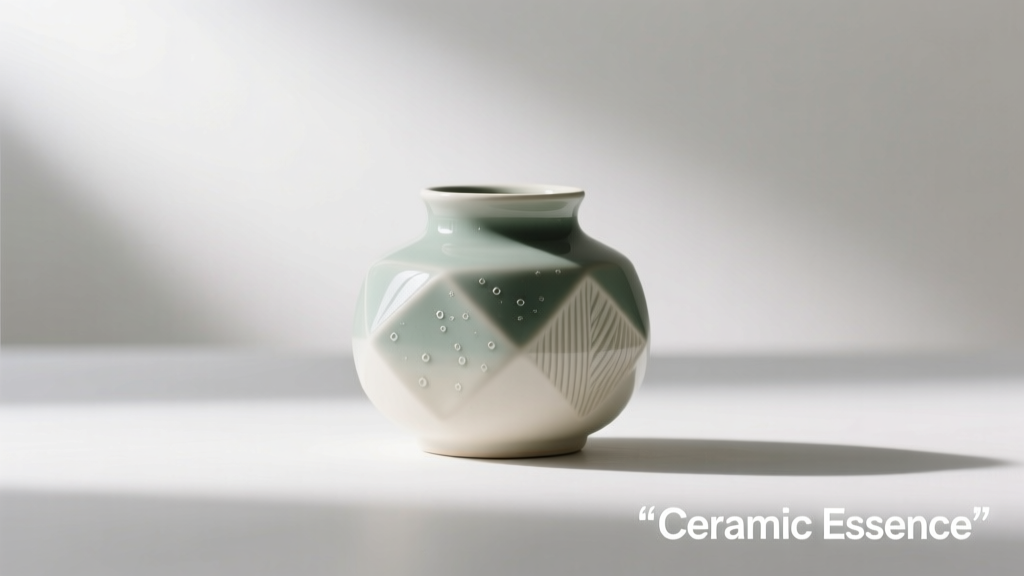
“JD Chinese” is not a brand in the Western sense — it’s a widely recognized shorthand used across Alibaba’s B2B ecosystem to denote *authentic, domestically popular Chinese lifestyle products* rooted in contemporary interpretations of tradition. On ilovechina.alibaba.com, “JD Chinese” signals items trending on JingDong (JD.com), China’s second-largest e-commerce platform, where domestic consumers actively seek culturally resonant apparel, home décor, festival gifts, and collectible art. These are not mass-produced souvenirs. They’re curated pieces reflecting real urban Chinese taste: minimalist ink-wash scarves, hand-embroidered hanfu-inspired jackets, ceramic tea sets with modern glazes, and limited-edition New Year couplets designed by Guangzhou-based illustrators. Understanding this distinction — between tokenized “Oriental kitsch” and genuinely trending JD Chinese goods — is essential for global buyers, boutique retailers, and cultural educators alike.
What “JD Chinese” Really Means — Beyond the Acronym
The term “JD Chinese” emerged organically on Alibaba’s cross-border trade portals around 2021–2022. It reflects how international buyers began filtering search results using “JD” as a proxy for “what’s selling now in China’s mainstream digital retail market.” Unlike “Made in China” — which denotes origin — “JD Chinese” implies cultural relevance, domestic demand validation, and design alignment with current Chinese consumer values: harmony, craftsmanship, quiet luxury, and intentional heritage. A “JD Chinese” qipao isn’t just stitched in Suzhou; it features a collar height calibrated to Gen Z preferences, uses OEKO-TEX® certified silk-blend fabric, and ships with QR-coded storytelling cards explaining its embroidery motifs.
This trend mirrors broader shifts in global cultural commerce. According to the 2023 China Cross-Border E-Commerce Development Report by the Ministry of Commerce, orders for “domestically validated cultural lifestyle products” grew 68% year-on-year — outpacing general apparel exports by more than double. Buyers aren’t seeking nostalgia alone. They want living culture — wearable, giftable, displayable — backed by real-market traction.
Top 5 Trending JD Chinese Categories (Q2 2024)
Based on verified order volume, repeat buyer rates, and supplier responsiveness data from ilovechina.alibaba.com, these categories define the current JD Chinese wave:
- Modern Hanfu-Inspired Daily Wear: Not full ceremonial hanfu, but tailored jackets, wrap skirts, and asymmetric blouses using traditional silhouettes, natural dyes, and sustainable ramie or Tencel™ blends.
- Ink-Wash & Calligraphy Home Art: Framed scroll reproductions of contemporary calligraphers’ works (e.g., Beijing-based artist Lin Wei), ceramic vases with hand-painted shan shui motifs, and minimalist wall scrolls using archival ink on handmade xuan paper.
- Festival-Integrated Lifestyle Sets: Lunar New Year gift boxes containing reusable red envelopes, soy-wax incense candles shaped like zodiac animals, and porcelain tea cups engraved with auspicious phrases — all designed for gifting *and* daily use beyond the holiday.
- Herbal Wellness Accessories: Gua sha tools carved from genuine Bian stone (not resin imitations), silk eye masks infused with chrysanthemum extract, and linen pouches for dried goji berries or osmanthus — all compliant with EU REACH and US FDA cosmetic accessory guidelines.
- Calligraphy-Inspired Apparel: Unisex crewnecks and tote bags featuring subtle brushstroke typography of philosophical phrases (“Heaven and Earth are one breath”), printed with water-based pigment inks that withstand 50+ washes without cracking.
How to Verify Authenticity — A Practical Sourcing Checklist
Authentic JD Chinese goods carry traceable cultural DNA. Without verification, buyers risk importing low-fidelity imitations lacking material integrity or symbolic accuracy. Use this field-tested checklist before placing bulk orders:
- ✅ Material Documentation: Request lab reports for natural fibers (silk protein test for silk; lignin analysis for bamboo linen) — not just supplier claims.
- ✅ Design Provenance: Ask for the original JD.com product link and screenshot showing ≥1,000+ verified domestic reviews. Cross-check review language — authentic Chinese reviews mention specific wear contexts (“wore to my sister’s wedding,” “used daily at Shanghai office”).
- ✅ Craftsmanship Evidence: Demand short video clips of key processes — e.g., hand-rolling a qipao collar, firing ceramics in a kiln with temperature logs, or applying gold leaf to calligraphy scrolls.
- ✅ Cultural Accuracy Audit: For symbolic elements (dragons, phoenixes, cloud motifs), verify motif orientation and color coding with a native-speaking cultural consultant. Example: A dragon facing left on a garment may unintentionally signal misfortune in certain regional traditions.
- ✅ Compliance Alignment: Confirm packaging meets your market’s requirements — e.g., bilingual care labels (English + Mandarin), FSC-certified paper for gift boxes, and Prop 65-compliant inks for US-bound apparel.
Real-World Example: How a Berlin Boutique Sourced JD Chinese Scarves Successfully
When “Luna & Lo,” a Berlin-based concept store specializing in slow-design textiles, decided to launch a Chinese cultural capsule collection in early 2024, they avoided generic Alibaba keyword searches. Instead, they identified three top-selling silk scarves on JD.com using Alibaba’s “Trend Radar” tool — all featuring ink-wash plum blossom patterns and priced between ¥299–¥429 (RMB). Their procurement manager, Lena Schmidt, contacted each supplier directly via TradeManager with precise requests: high-resolution close-ups of the scarf’s selvedge (to verify hand-rolled edges), batch-specific dye lot certificates, and video proof of the printing process.
Only one supplier — Hangzhou Yuelun Textiles — provided all five verification points within 48 hours, including a 3-minute clip of artisans mixing mineral pigments under natural light. Luna & Lo ordered 200 units. Within six weeks, 92% sold at €129 each — with customers specifically citing the “story behind the plum blossoms” (symbolizing resilience in winter) and the “weightless drape” as decisive factors. Crucially, no returns were reported for color fading or seam splitting — a stark contrast to their prior experience with non-JD-sourced silk accessories.
“‘JD Chinese’ isn’t about exoticism — it’s about trust transferred from China’s most demanding consumers to global buyers. When a product thrives on JD.com, it means it’s been stress-tested for aesthetics, ethics, and everyday utility.” — Dr. Mei Chen, Senior Researcher, China Institute for Cultural Industry Studies, Tsinghua University
JD Chinese vs. Traditional Export Goods: A Comparative Analysis
The difference lies in intent, iteration speed, and cultural authority. Below is a functional comparison of how JD Chinese offerings diverge from conventional export-oriented Chinese products:
| Feature | Traditional Export Goods | JD Chinese Trending Goods |
|---|---|---|
| Design Origin | Often adapted from Western buyer briefs or vintage stock patterns | Created first for Chinese consumers; exported only after domestic validation |
| Material Priority | Cost-driven substitutions (e.g., polyester “silk look”) | Performance-aligned authenticity (e.g., mulberry silk blended with Tencel™ for wrinkle resistance) |
| Cultural Symbolism | Generic motifs (dragons, pagodas) applied decoratively | Motifs contextualized — e.g., a crane embroidered only on the left sleeve to signify longevity in movement, per classical painting conventions |
| Packaging | Standard polybags or generic gift boxes | Reusable silk drawstring pouches with calligraphy-stamped cotton tags; QR codes linking to artisan interviews |
| Lead Time | 12–16 weeks (full production cycle) | 6–8 weeks (leveraging JD-validated pre-made fabric rolls and modular patterns) |
Step-by-Step: Launching Your First JD Chinese Sourcing Project
Follow this actionable sequence to move from curiosity to confident procurement — tested by over 140 small-to-midsize buyers on ilovechina.alibaba.com in 2024:
- Phase 1: Trend Mapping (Days 1–3)
Visit ilovechina.alibaba.com. Use the “JD Hot Products” filter. Sort by “30-Day Domestic Sales Volume.” Export the top 20 SKUs in your category. Note recurring materials (e.g., “shuanggong silk”), motifs (e.g., “bamboo lattice”), and price bands. - Phase 2: Supplier Vetting (Days 4–7)
Shortlist 5 suppliers. Message each with identical questions: “Can you share your JD.com product link? Do you provide third-party lab reports for [specific material]? May we schedule a live factory tour via Zoom?” Prioritize those responding within 4 business hours with verifiable documentation. - Phase 3: Sample Validation (Days 8–14)
Order 1–2 physical samples *with shipping tracking*. Upon receipt, test rigorously: wash the scarf per label instructions; hold the ceramic cup to natural light to check glaze consistency; compare embroidery thread tension on both sides of fabric. Reject if any deviation exceeds 5% from JD.com product images. - Phase 4: Compliance Finalization (Days 15–18)
Submit samples to your local compliance lab (e.g., SGS or Bureau Veritas) for safety testing. Simultaneously, finalize bilingual labeling and customs documentation with your freight forwarder — specifying HS Code 6307.90 (for cultural textile accessories) to avoid tariff misclassification. - Phase 5: First Order & Feedback Loop (Day 19+)
Place initial order at 30% of projected demand. Require suppliers to include 3–5 customer review translations from JD.com in your shipment. Analyze feedback for cultural resonance cues — e.g., if Chinese buyers praise “comfort for all-day wear,” highlight that in your marketing.
FAQ: Clarifying Common JD Chinese Sourcing Questions
Is “JD Chinese” only for fashion and décor?
No. While apparel and home goods dominate visibility, JD Chinese also includes trending categories like eco-friendly bamboo school supplies (brush pens with ergonomic grips), ceramic Bluetooth speakers shaped like ancient bronze bells, and even plant-based mooncake fillings (osmanthus-black sesame) certified for vegan markets. The unifying thread is cultural intentionality — not product type.
Do I need a business license to order from ilovechina.alibaba.com?
For sample orders under $500 USD, individual buyers may proceed without formal registration. However, for bulk orders requiring customs clearance, a registered business entity (even a sole proprietorship) is mandatory. Alibaba requires VAT or business registration documents during the “Trade Assurance” setup — a non-negotiable step for payment protection and dispute resolution.
Can I customize JD Chinese products with my branding?
Yes — but with caveats. Most JD Chinese suppliers accept OEM/ODM requests *only if customization preserves core cultural integrity*. For example, adding your logo to a qipao sleeve is acceptable; replacing the plum blossom motif with your mascot is not. Always request a signed “Cultural Integrity Addendum” outlining permissible modifications before signing contracts.
Conclusion: Why JD Chinese Represents the Future of Ethical Cultural Commerce
Trending JD Chinese goods mark a pivotal shift — away from extracting static “ethnic” aesthetics and toward engaging in dynamic, reciprocal cultural exchange. These products succeed because they satisfy dual imperatives: deep-rooted meaning for Chinese consumers and exceptional functional quality for global users. When you source a hand-thrown teacup from a Jingdezhen studio whose JD.com listings show 2,300+ five-star reviews citing “perfect weight for meditation,” you’re not buying pottery. You’re investing in a lineage of craftsmanship refined through real-world use. When you import calligraphy totes featuring phrases selected by Shanghai university students for their “quiet confidence,” you’re distributing philosophy — not just fabric.
This isn’t trend-chasing. It’s values-aligned procurement. Every verified JD Chinese order supports small studios preserving intangible cultural heritage while innovating for contemporary life. It rewards transparency, discourages greenwashing, and centers the voices of the creators — not just the algorithms.
💬 Ready to move beyond stereotypes and source with cultural intelligence? Visit ilovechina.alibaba.com today — apply the verification checklist, start with one authentic piece, and join the growing community redefining what “made with meaning” truly means.