Cottagecore, once a niche aesthetic rooted in pastoral daydreams and romanticized rural life, has evolved into a mainstream fashion movement. What began as an escapist fantasy during times of global uncertainty has matured into a thoughtful, wearable style that resonates deeply with urban dwellers seeking authenticity, comfort, and connection to nature—even amidst concrete and steel. The challenge lies in translating its whimsical elements—think puff sleeves, floral prints, and linen layers—into outfits that feel at home on subway platforms, office lobbies, and sidewalk cafés.
The key to making cottagecore work in the city isn’t about dressing like you’re headed to a countryside harvest festival. It’s about curating pieces that carry the spirit of simplicity, craftsmanship, and softness while remaining functional and proportionate to urban pacing. With thoughtful selection, cottagecore can become not just a trend, but a sustainable personal style—one that balances nostalgia with modern practicality.
1. Modern Interpretations of Cottagecore Essentials
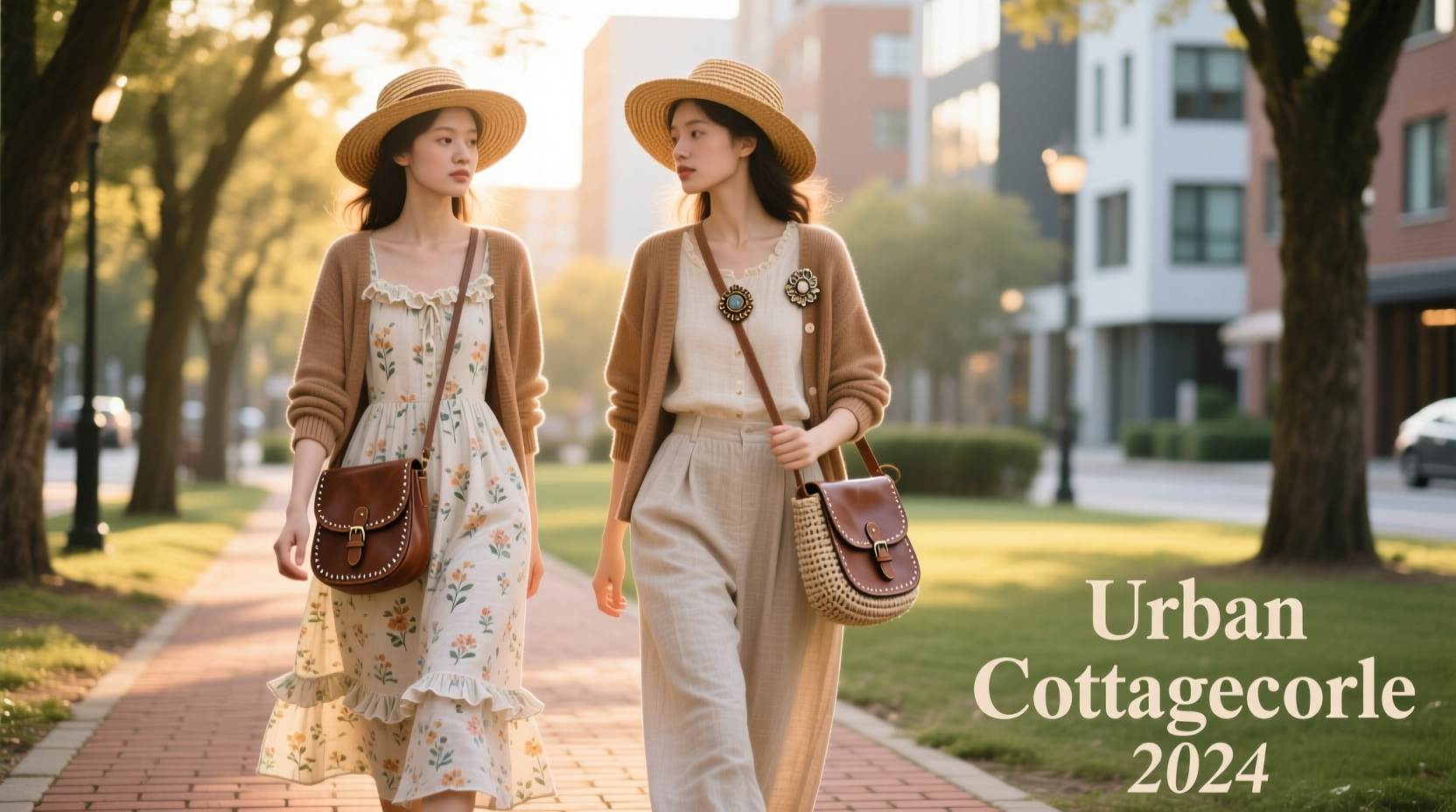
At its core, cottagecore celebrates handmade textures, natural fabrics, and vintage-inspired silhouettes. But in a metropolitan context, these elements must be refined. Oversized prairie dresses may look enchanting in a meadow, but they’re impractical for crowded commutes. Instead, designers and wearers alike have adapted classic motifs into streamlined versions suitable for daily city life.
Consider the evolution of the smocked midi dress. Originally associated with Victorian-era country attire, today’s versions use breathable cotton-linen blends, minimalist embroidery, and tailored waistlines. Paired with ankle boots and a structured tote, this piece transitions seamlessly from a daytime meeting to a dinner reservation. Similarly, puff-sleeve blouses in neutral tones—like oat, sage, or cream—can be tucked into high-waisted trousers, softening formalwear with a touch of romanticism without veering into costume territory.
Tip: When selecting cottagecore pieces, prioritize fabric weight and drape. Lightweight linens and washed cottons maintain breathability and movement, essential for walking or biking through the city.Key Pieces Reimagined for Urban Wear
- Linen shirt-dresses – Worn with a leather belt and loafers, they offer modest coverage and effortless polish.
- Apron-style pinafores – Layered over turtlenecks or collared shirts, they add visual interest without bulk.
- Ruffled wrap skirts – Mid-length, in earthy plaids or muted florals, pair well with fitted knits for balance.
- Cotton pinafore jumpsuits – A one-and-done option that merges utility with charm, ideal for weekend errands or brunch.
The goal is cohesion: each piece should stand alone as functional clothing while contributing to a broader narrative of mindful dressing. This isn’t about escaping the city—it’s about bringing a gentler sensibility into it.
2. Fabric Choices That Bridge Nature and Neutrality
Fabric defines how a garment feels, moves, and ages—especially in a city environment where weather shifts, air pollution, and constant motion are factors. Cottagecore leans heavily on natural textiles, which aligns perfectly with urban sustainability values. However, not all natural fibers are equally suited for city living.
| Fabric | Urban Advantages | Limitations |
|---|---|---|
| Linen | Breathable, biodegradable, wrinkle-resistant over time | Prone to initial wrinkling; may require steaming |
| Cotton Poplin | Structured yet lightweight, holds crisp lines | Can absorb odors in humid conditions |
| Tencel (Lyocell) | Soft drape, moisture-wicking, low environmental impact | May pill with friction from backpacks or chairs |
| Hemp Blends | Durable, antimicrobial, becomes softer with wear | Stiffer initially; limited color availability |
| Wool Crepe | Temperature-regulating, elegant drape for cooler months | Requires dry cleaning; not ideal for summer |
For year-round wearability, many city-based cottagecore enthusiasts opt for linen-cotton blends or Tencel-rayon mixes, which combine softness with resilience. These materials resist pilling, manage humidity, and age gracefully—important traits when navigating subways, bike lanes, or outdoor markets.
“The most wearable cottagecore pieces aren’t the ones that scream ‘I live in a forest’—they’re the ones that whisper ‘I care about how things are made.’” — Lila Monroe, Sustainable Fashion Curator
3. Styling Strategies for Seamless Integration
Integrating cottagecore into a city wardrobe requires intentionality. Without careful pairing, even the most tasteful pieces can appear out of place. The solution lies in balancing softness with structure and grounding ethereal elements with urban staples.
Take, for example, a **ruffled blouse** in ivory cotton. On its own, it might read as overly delicate. But when paired with dark-wash jeans, a black chore jacket, and chunky sandals, the look becomes grounded and intentional. The blouse adds texture and personality without dominating the outfit.
Similarly, **straw totes** and **woven crossbody bags**—hallmarks of the aesthetic—can double as functional accessories. Opt for styles with reinforced straps and interior pockets to keep essentials secure during transit. A wide-brimmed hat? Yes, but choose one with a compact crown and flexible brim that can be folded into a coat pocket when entering a crowded space.
Do’s and Don’ts of City-Ready Cottagecore
| Do | Don’t |
|---|---|
| Layer a pinafore over a mock-neck thermal for winter | Wear floor-length skirts on rainy days |
| Pair clogs with socks for all-season wear | Use raw-edged lace in high-friction environments |
| Choose muted florals over loud, cartoonish prints | Carry oversized wicker baskets on packed trains |
| Mix vintage finds with minimalist footwear | Wear unlined linen pants in freezing temperatures |
Accessories are where subtlety matters most. A silk hair scarf tied loosely at the nape, a simple locket necklace, or wooden button details can evoke the cottagecore ethos without requiring a full thematic commitment.
Tip: Edit your outfit in front of a full-length mirror while standing—this mimics real-world posture and reveals potential snags, tripping hazards, or imbalances.4. Real-World Application: A Week in the Life of a City Dweller
Meet Naomi, a 32-year-old editorial assistant in Portland, Oregon. She works hybrid—three days in-office, two remote—and lives in a walk-up apartment near a bustling farmers market. She loves the idea of cottagecore but doesn’t want to look costumed or impractical.
Monday (In-office): Naomi wears a sage green linen-blend shirtdress with a belted waist. She layers a charcoal merino cardigan over it and pairs the look with polished brown clogs. Her bag is a structured Tencel tote in taupe, spacious enough for her laptop and lunch container. The outfit reads professional but soft—colleagues compliment her “effortless vibe.”
Wednesday (Errands & Coffee): She opts for a cream puff-sleeve top tucked into high-waisted, straight-leg denim. Over it, she throws on a navy chore coat. Her accessories include a braided leather belt and a small rattan crossbody. The ensemble allows freedom of movement while maintaining a cohesive earth-toned palette.
Saturday (Farmers Market): Here, she leans into the aesthetic more fully: a tiered cotton pinafore over a striped long-sleeve tee, knee-high socks, and lace-up clogs. She brings a foldable canvas market bag printed with wildflowers. Even in this fuller expression, nothing impedes her ability to carry produce, haggle over jam prices, or walk three miles.
Naomi’s approach demonstrates that cottagecore in the city isn’t about frequency of wear, but consistency of theme. Each piece serves multiple roles across contexts, and none compromise functionality for fantasy.
5. Building a Capsule: A Step-by-Step Guide
Creating a wearable cottagecore capsule doesn’t require overhauling your wardrobe. Start small, focus on versatility, and build around foundational items that reflect both aesthetic and practical needs.
- Assess your current wardrobe – Identify existing pieces that align with cottagecore: flowy blouses, natural fabrics, vintage cuts. Set them aside as anchors.
- Define your color palette – Stick to earth tones (moss, terracotta, oat) and soft pastels (lavender, sky blue, butter yellow). Avoid neon or metallic shades.
- Select three core garments – Choose one dress, one top, and one bottom that can mix and match. Example: a smocked midi dress, a puff-sleeve blouse, and a ruffled skirt.
- Add transitional layers – Include a cropped cardigan, a chore jacket, or a sleeveless vest in wool or organic cotton.
- Incorporate footwear – Invest in one pair of clogs, Mary Janes, or lace-up oxfords in a neutral shade.
- Choose two functional accessories – A medium-sized woven bag and a silk scarf or hair ribbon.
- Test the capsule – Wear only these items (plus basics) for one week. Note what works, what feels awkward, and adjust accordingly.
This method ensures that every addition serves a purpose and contributes to a coherent, repeatable style.
Checklist: Building Your Urban Cottagecore Wardrobe
- ☐ Prioritize natural, breathable fabrics
- ☐ Limit prints to subtle florals or gingham
- ☐ Ensure all hems fall at or above knee level for mobility
- ☐ Test shoes for all-day comfort on pavement
- ☐ Avoid excessive lace, ruffles, or trailing ribbons
- ☐ Mix vintage-inspired pieces with modern tailoring
- ☐ Keep outerwear practical and weather-appropriate
FAQ
Can I wear cottagecore to a corporate office?
Yes, with moderation. Opt for tailored pieces like a collarless linen blouse or a wrap skirt in solid colors. Pair with minimalist footwear and avoid exaggerated silhouettes. Focus on fabric quality and fit rather than decorative details.
How do I keep cottagecore clothes clean in a polluted city?
Spot-clean delicate areas regularly and air out garments between wears. Store in breathable cotton bags, not plastic. For machine-washable items, use eco-friendly detergent and cold water to preserve fibers and reduce microfiber shedding.
Are clogs really practical for city walking?
Modern clogs made from molded EVA or wood-polymer composites offer excellent arch support and shock absorption. Look for brands with padded footbeds and non-slip soles. Break them in gradually before full-day use.
Conclusion
Cottagecore doesn’t have to mean trading sidewalks for sunflowers. When thoughtfully interpreted, its principles—slowness, craftsmanship, and harmony with nature—can enrich urban life rather than escape it. The most enduring fashion trends are those that adapt, not imitate. By selecting pieces that honor the aesthetic’s soul while respecting the realities of city living, you create a wardrobe that feels both meaningful and manageable.
Start with one garment. Wear it with confidence. Notice how it changes the way you move through your day—not by slowing you down, but by reminding you to breathe, to notice textures, to appreciate the quiet beauty in routine. That’s the true spirit of cottagecore: not a retreat, but a reconnection.
💬 Which cottagecore piece have you successfully integrated into your city life? Share your experience and inspire others to blend beauty with practicality.