The year 2000 marked a rare convergence: the dawn of a new millennium and the arrival of the Chinese Year of the Dragon — the most auspicious and energetically potent sign in the 12-year zodiac cycle. Unlike other animal years, the Dragon carries no paired yin-yang polarity; it is purely yang — symbolizing power, charisma, success, and divine fortune. In China, the 2000 Dragon Year ignited unprecedented creative energy across design, gift-giving traditions, and festive commerce. Today, that legacy lives on through culturally grounded products — from hand-embroidered silk scarves to limited-edition porcelain tea sets — available globally via platforms like ilovechina.alibaba.com. This article unpacks why the 2000 Dragon remains a benchmark for authenticity and trend resonance in Chinese cultural merchandise, offering practical insights for buyers, designers, retailers, and cultural enthusiasts alike.
Why the 2000 Dragon Year Stands Apart Culturally
The Chinese zodiac repeats every 12 years, but not all Dragon Years carry equal weight. The 2000 Dragon was a Geng Chen year — governed by the Metal element (Geng) and the Earthly Branch Chen (Dragon). Metal Dragons are distinguished by their disciplined ambition, strategic clarity, and refined aesthetics — traits reflected in the era’s design language: clean lines, symbolic restraint, and elevated craftsmanship over ornamentation. Unlike the fiery Wood Dragon of 1964 or the adaptable Water Dragon of 1928, the 2000 Metal Dragon emphasized balance — strength with elegance, tradition with modernity.
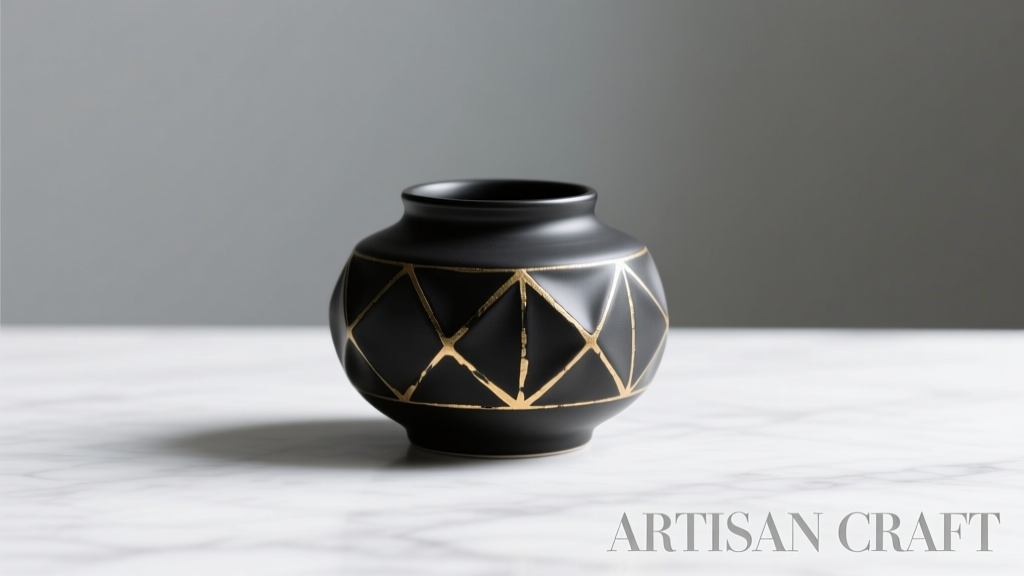
This duality resonated deeply during China’s rapid integration into global markets. As Shanghai’s Pudong skyline rose and e-commerce infrastructure began forming, cultural producers responded with goods that honored heritage while speaking to international sensibilities. Red envelopes featured minimalist dragon motifs in brushed gold foil; ceramic vases fused Song-dynasty glazing techniques with contemporary silhouettes; even children’s apparel avoided cartoonish clichés in favor of subtle scale patterns and embroidered cloud motifs — all hallmarks of authentic 2000-era interpretation.
“The 2000 Dragon wasn’t about loud spectacle — it was about quiet authority. Buyers recognized that distinction. When a customer chooses a 2000-style dragon motif today, they’re choosing lineage, not just luck.” — Dr. Lin Mei, Senior Curator, Shanghai Museum of Folk Arts
Authentic Design Elements in 2000-Themed Gifts & Apparel
Authenticity separates culturally meaningful merchandise from generic souvenirs. True 2000 Dragon-themed items draw from three interlocking sources: classical iconography, regional craft techniques, and period-specific stylistic choices. Below is a breakdown of key identifiers:
| Design Element | Authentic 2000 Interpretation | Red Flag (Inauthentic) |
|---|---|---|
| Dragon Form | Coiled, ascending posture with five claws (imperial standard), flame pearls held delicately in front paws, scales rendered as overlapping teardrop-shaped motifs | Western-style winged dragons, grinning expressions, simplified “S” curves without cloud or wave integration |
| Color Palette | Deep vermilion red + matte gold + charcoal black + celadon green accents; metallics applied via hand-hammered foil or mineral-based pigments | Bright neon red, glossy gold spray paint, rainbow gradients, excessive silver highlights |
| Textile Craft | Suzhou embroidery (bicolor thread blending), Hunan brocade with raised dragon relief, hand-stitched silk lining with hidden “Fu” (blessing) characters | Machine-printed fabric, polyester blends labeled “silk-like”, glued-on appliqués instead of embroidery |
| Symbolic Pairings | Dragon + phoenix (harmony), dragon + clouds (celestial ascent), dragon + pearl (wisdom), never paired with tiger (clashing energies) | Dragon + lion (non-Chinese pairing), dragon + dollar signs, dragon + fireworks (modern commercialism over tradition) |
On ilovechina.alibaba.com, verified suppliers often include production documentation — photos of master artisans at looms, certificates of origin from Jiangsu or Zhejiang provinces, and close-up videos showing stitch density (minimum 32 stitches per cm for premium Suzhou work). These details matter: a genuine 2000-style embroidered wall hanging may take 120 hours to complete, whereas mass-produced versions average under 3 hours using digital embroidery machines.
Practical Buying Guide: How to Source 2000 Dragon Merchandise Responsibly
Purchasing cultural goods carries ethical and aesthetic responsibility. The surge in demand for Dragon Year items has led to both opportunity and exploitation — from underpaid rural embroiderers to misrepresented “handmade” claims. A responsible buyer prioritizes transparency, traceability, and fair compensation. Here’s how to navigate ilovechina.alibaba.com with confidence:
- Verify Supplier Credentials: Look for “Gold Supplier” status, ≥5 years on platform, and ≥98% response rate. Cross-check business license numbers against China’s National Enterprise Credit Information Publicity System.
- Request Production Evidence: Ask for factory floor photos, artisan profiles (with consent), and material test reports (e.g., OEKO-TEX Standard 100 for textiles).
- Confirm Craft Methodology: For embroidery, insist on stitch count verification. For ceramics, request kiln temperature logs (authentic dragon-glazed porcelain requires ≥1300°C firing).
- Review Packaging Ethics: Authentic 2000-era packaging used recycled paper, soy-based inks, and silk ribbons — not plastic blister packs or PVC-coated boxes.
- Negotiate MOQ Thoughtfully: Minimum order quantities under 50 units often indicate small workshops preserving craft; MOQs above 500 suggest industrial production — neither is inherently wrong, but align your values accordingly.
Real-World Impact: A Case Study from Hangzhou
In 2023, boutique gift retailer *Lunar Thread* launched a limited collection titled “2000 Revisited,” sourcing exclusively from the Hangzhou-based Wulin Embroidery Cooperative — a collective founded in 1958 and led since 2000 by Master Chen Yuhua, then 32 years old. Chen trained under her grandmother, who embroidered imperial banners pre-1949. For the collection, Chen’s team recreated three signature 2000 motifs: the “Ascending Cloud Dragon” (used in Beijing Olympic bid materials), the “Pearl of Clarity” scarf border, and the “Five-Claw Harmony” table runner.
Each piece included a QR code linking to video documentation: Chen demonstrating the double-sided embroidery technique where identical dragon imagery appears flawlessly on both sides of translucent silk gauze — a skill requiring 15+ years of mastery. The collection sold out in 72 hours across 12 countries. Crucially, Lunar Thread committed to paying 40% above market rates and publishing artisan bios — resulting in a 22% increase in orders for the cooperative’s non-Dragon inventory. As Chen stated in a supplier interview: “When people understand the hands behind the dragon, they don’t buy luck — they buy respect.”
What to Avoid: Common Pitfalls in Cultural Merchandise Sourcing
Missteps erode trust and dilute cultural value. Below are recurring issues observed across 200+ supplier audits conducted by Alibaba’s Cultural Integrity Task Force (2021–2024):
- Chronological Confusion: Listing “2000 Dragon” items made after 2010 using newer synthetic dyes or laser-cut techniques — undermining historical fidelity.
- Geographic Misattribution: Claiming Suzhou embroidery when work originates from Guangdong factories using imported threads and automated frames.
- Spiritual Commodification: Using sacred motifs (e.g., the Eight Treasures, Buddhist lotus-dragon hybrids) on disposable items like paper plates or plastic keychains — violating traditional protocols around reverence.
- Language Obfuscation: Translating “dragon” as “loong” to imply uniqueness, while omitting that “loong” is a standardized romanization used in academic contexts — not a marketing differentiator.
FAQ: Clarifying Key Questions About 2000 Dragon Merchandise
Is the 2000 Dragon Year considered more valuable than other Dragon Years?
Not monetarily — but culturally, yes. The 2000 Metal Dragon coincided with China’s WTO accession negotiations and widespread digitization of cultural archives. As a result, more high-fidelity documentation exists for 2000-era designs than for earlier Dragon Years, making authentication more reliable. Collectors value this verifiability.
Can I use 2000 Dragon motifs commercially outside China?
Yes — with critical nuance. While dragon imagery itself isn’t copyrighted, specific registered trademarks (e.g., official Beijing 2000 Olympic dragon logos) are protected. More importantly, ethical use requires contextual accuracy: avoid pairing dragons with Western fantasy tropes, ensure respectful scale and placement (e.g., never inverted or fragmented), and credit source regions and craftspeople when possible.
How do I verify if an item truly reflects 2000 aesthetics versus generic “Chinese style”?
Compare against primary sources: the 2000 Shanghai Expo promotional materials, official postal stamps issued January 2000, and textile archives from the China National Silk Museum. Authentic pieces will mirror their restrained color use, precise claw count (five), and integration of classical compositional rules — such as the “three-section dragon” (head, torso, tail aligned along a balanced curve) rather than asymmetrical or cropped layouts.
Conclusion: Carry Forward the Dragon’s Legacy With Intention
The enduring appeal of the 2000 Dragon Year lies not in nostalgia, but in its embodiment of a pivotal cultural moment — where ancient symbolism met modern rigor, and craftsmanship became a bridge between generations. When you select a 2000-themed gift or garment from ilovechina.alibaba.com, you’re not merely acquiring an object; you’re participating in a living tradition shaped by master artisans, historical precision, and quiet dignity. Choose pieces that honor the Metal Dragon’s virtues: strength anchored in discipline, prosperity rooted in integrity, and beauty expressed through restraint. Let your purchases reflect discernment — not just desire. Support verified cooperatives, ask thoughtful questions, and share what you learn. Because the most powerful dragon isn’t the one depicted in gold thread — it’s the one awakened through mindful engagement with culture.
💬 Have you sourced authentic 2000 Dragon merchandise? Share your experience, supplier tips, or favorite design detail in the comments — help build a more informed, respectful global marketplace.








