Every morning, thousands of professionals reach for their go-to bag—often a sleek tote—without considering the long-term impact on their body. While tote bags exude style and sophistication, they may come at a cost: compromised posture and shoulder strain. Backpacks, though often seen as less fashionable, distribute weight more evenly and support spinal health. The choice between a tote and a backpack isn't just about aesthetics; it's about ergonomics, daily load, and long-term physical well-being.
This article examines the biomechanical realities of carrying a tote versus a backpack to work. We’ll explore how uneven weight distribution affects shoulder alignment, analyze real-world usage patterns, and provide actionable solutions for those who aren’t ready to give up their favorite tote.
The Biomechanics of Carrying Weight
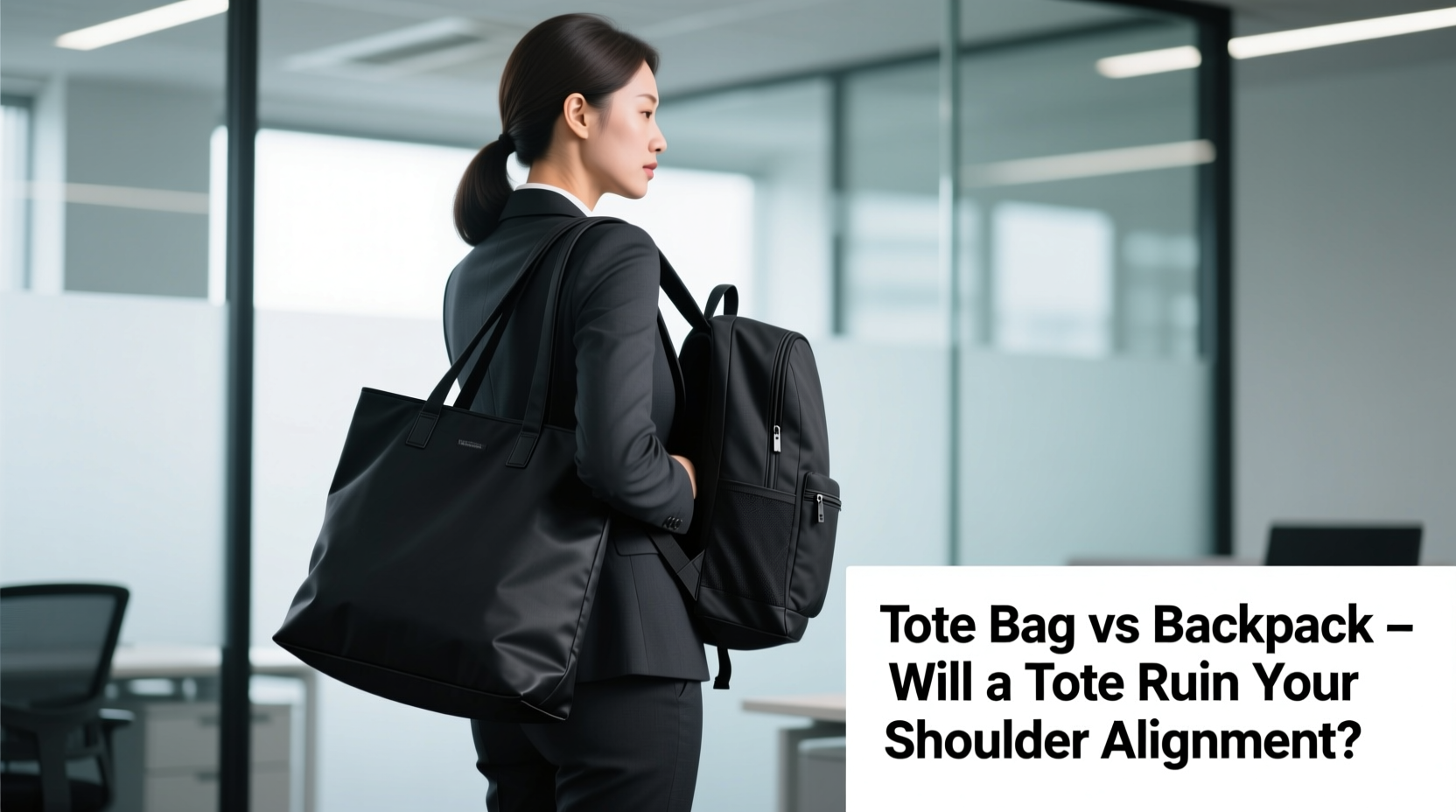
When you carry a bag, your body compensates for the added load through subtle postural shifts. A single-strap tote forces one shoulder to bear the entire weight, causing the spine to tilt laterally toward the loaded side. To maintain balance, muscles in the neck, upper back, and opposite hip tighten. Over time, this asymmetry can lead to chronic muscle imbalances, altered spinal curves, and even joint dysfunction.
In contrast, a properly worn backpack engages both shoulders and aligns weight closer to the body’s center of gravity. This promotes a neutral spine position, reduces muscular strain, and minimizes postural distortion—even when carrying heavy loads like laptops, notebooks, and lunch containers.
“Carrying asymmetrical loads regularly is one of the most common causes of functional scoliosis and cervical strain in otherwise healthy adults.” — Dr. Lena Patel, Physical Therapist & Posture Specialist
Tote Bag vs Backpack: A Direct Comparison
To understand the differences clearly, let’s compare key factors that influence comfort, safety, and long-term physical impact.
| Feature | Tote Bag | Backpack |
|---|---|---|
| Weight Distribution | Uneven, concentrated on one shoulder | Evenly distributed across both shoulders and back |
| Spinal Alignment | Frequent lateral shift; increased risk of postural imbalance | Promotes neutral spine alignment when worn correctly |
| Muscle Engagement | Overuse of trapezius, levator scapulae, and contralateral obliques | Balanced engagement of upper back and core stabilizers |
| Load Capacity | Limited without increasing strain | Higher capacity with minimal added strain |
| Style Perception | Professional, polished, fashion-forward | Variably perceived—can be casual or utilitarian |
| Risk of Injury | High with prolonged use and heavy loads | Low when used properly |
The data shows a clear trade-off: totes win in style but lose in function. Backpacks offer superior ergonomic support, especially for individuals carrying more than 5–7 pounds daily—the average weight of a laptop, water bottle, and personal items.
Tip: Never carry a bag that exceeds 10% of your body weight. For a 150-pound person, that means keeping the load under 15 pounds.How Totes Can Damage Shoulder Alignment Over Time
A tote bag doesn’t cause harm overnight. The damage accumulates silently through repetition. Each time you sling a heavy tote over one shoulder, your body makes micro-adjustments. These include:
- Elevation of the loaded shoulder
- Lateral flexion of the cervical and thoracic spine
- Compensatory pelvic tilt on the opposite side
- Chronic shortening of the upper trapezius and levator scapulae muscles
Over weeks or months, these changes become structural. Muscle memory reinforces poor posture, leading to what clinicians call “carrying strap syndrome”—a condition marked by shoulder pain, neck stiffness, headaches, and reduced range of motion.
Women are particularly vulnerable due to narrower shoulders and higher rates of carrying heavy handbags. A 2020 study published in the Journal of Applied Ergonomics found that 68% of women who carried shoulder bags weighing over 7 pounds reported chronic shoulder discomfort within six months.
Real-Life Example: The Marketing Executive
Sophie, a 34-year-old marketing director, carried a leather tote daily for three years. It held her 13-inch laptop, tablet, makeup pouch, and documents—totaling nearly 12 pounds. She began experiencing persistent right-sided neck pain and noticed her right shoulder sat visibly higher than the left.
After visiting a physical therapist, she was diagnosed with unilateral trapezius hypertonicity and early-stage thoracic rotation. The therapist traced the issue directly to her bag-carrying habits. With corrective exercises and a switch to an ergonomic backpack, Sophie reduced her pain by 80% within ten weeks.
Her case illustrates how seemingly minor daily choices can lead to significant musculoskeletal consequences.
Choosing the Right Bag Without Sacrificing Style
You don’t have to abandon your tote entirely. The key is strategic use and smart alternatives. Consider these options:
- Rotate your bags: Use a backpack on heavy-load days and reserve the tote for lighter commutes.
- Opt for dual-strap totes: Some modern designs feature two shorter handles or optional crossbody straps, improving weight distribution.
- Upgrade to structured backpacks: Many brands now offer minimalist, professional-looking backpacks in leather or water-resistant nylon suitable for office environments.
- Use a rolling tote: Ideal for those who commute via public transit or walk short distances. Reduces load on shoulders entirely.
- Add padding: If you must use a single-strap tote, choose one with wide, cushioned straps to reduce pressure points.
Checklist: Is Your Work Bag Hurting You?
Ask yourself these questions to assess your current bag’s impact:
- Do you frequently carry more than 7 pounds?
- Does one shoulder appear higher than the other in photos?
- Do you experience neck or shoulder pain by midday?
- Do you adjust your bag multiple times during a commute?
- Is the strap digging into your shoulder or leaving marks?
- Do you lean to one side while walking?
If you answered “yes” to two or more, your bag is likely affecting your alignment.
Step-by-Step Guide to Transitioning Safely
If you're considering switching from a tote to a backpack—or simply want to reduce risk—follow this five-step plan:
- Week 1: Audit Your Load
Weigh your current bag. Remove non-essentials. Keep only what you need daily. - Week 2: Try a Hybrid Option
Test a crossbody bag with padded straps or a tote with dual handles. Assess comfort and posture. - Week 3: Introduce a Backpack
Start using a sleek, professional backpack two days a week. Choose one with chest and waist straps for better stability. - Week 4: Evaluate Physical Response
Note any reduction in pain, fatigue, or muscle tension. Take front-and-side posture photos. - Ongoing: Rotate Strategically
Use backpacks on heavy days, totes on light ones. Never exceed 10% of your body weight.
This gradual approach prevents resistance to change and allows your body to adapt without shock.
FAQ: Common Questions About Totes, Backpacks, and Posture
Can a tote bag really cause permanent shoulder misalignment?
While true skeletal misalignment is rare, chronic muscle imbalances from prolonged tote use can create the appearance and symptoms of shoulder asymmetry. In severe cases, postural changes become habitual and require physical therapy to correct. Early intervention prevents long-term issues.
Are backpacks safe for everyone?
Yes, provided they are worn correctly—with both straps over the shoulders, snug against the back, and not hanging below the hips. Individuals with pre-existing spinal conditions should consult a specialist but generally benefit from balanced loading.
What if I need to look professional at work?
Many high-end brands now offer minimalist backpacks in leather, vegan leather, or tailored fabrics that blend seamlessly into corporate environments. Alternatively, carry a lightweight tote for appearances and use a backpack during transit.
Expert Insight: What Physical Therapists Recommend
Clinicians consistently emphasize prevention over correction. Once postural distortions set in, reversing them takes months of consistent effort.
“The best posture is a moving posture. But if you must carry a bag, symmetry is non-negotiable. A backpack beats a tote every time for spinal health.” — Dr. Marcus Reed, DPT, Orthopedic Rehabilitation Center
Therapists also recommend incorporating daily mobility routines, such as scapular retractions, chin tucks, and thoracic extensions, to counteract the effects of sedentary work and improper bag use.
Conclusion: Make the Choice That Supports Your Body
Your work bag should serve you—not sabotage your health. While tote bags remain a symbol of professional elegance, their ergonomic drawbacks are too significant to ignore. Persistent use, especially with heavy loads, can indeed disrupt shoulder alignment and lead to chronic discomfort.
Backpacks, once relegated to students and hikers, have evolved into stylish, functional tools for modern professionals. By prioritizing spinal health and making informed choices, you can maintain both your appearance and your posture.
🚀 Take action today: Weigh your bag, assess your posture, and consider trying a professional backpack for one week. Your shoulders—and spine—will thank you.








