
Every morning, millions of commuters make a quiet but consequential decision: what to carry their essentials in. The choice between a tote bag and a backpack might seem minor, but it impacts posture, productivity, professional image, and even long-term physical health. While both options are staples in modern wardrobes, they serve different needs and aesthetics. One emphasizes sleek minimalism; the other prioritizes balanced support. Understanding the trade-offs between form and function is essential for anyone navigating city streets, office lobbies, or transit systems daily.
This isn’t just about fashion or utility in isolation—it’s about how design influences performance, and how performance shapes perception. Whether you're a corporate professional, a creative freelancer, or a hybrid worker balancing laptops and gym clothes, your bag sends subtle signals. It also bears real weight—literally. Let’s break down the strengths and limitations of each option with an eye toward durability, ergonomics, style versatility, and organizational efficiency.
Ergonomics and Physical Comfort During Commuting
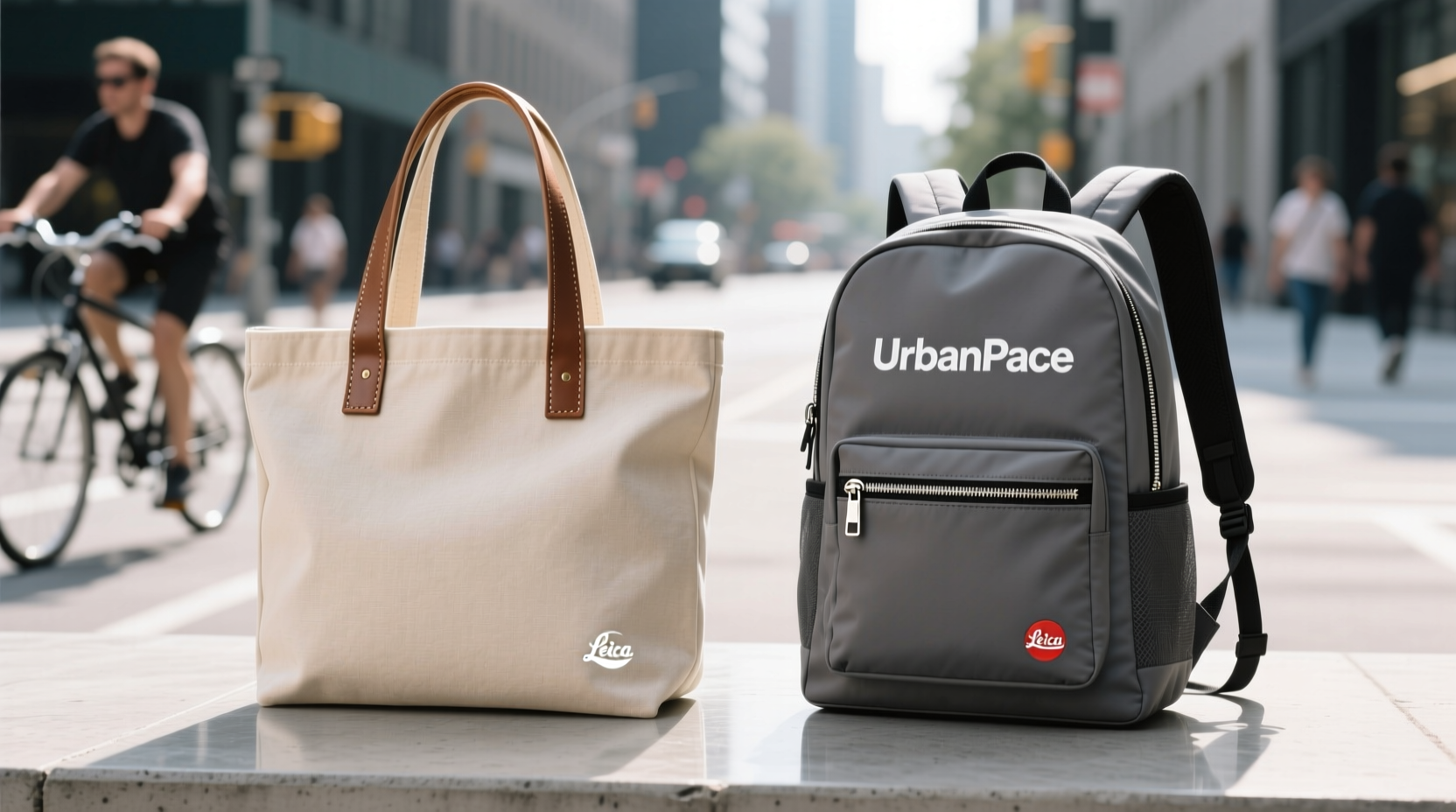
Carrying weight over extended distances affects spinal alignment, shoulder tension, and overall energy levels. How a bag distributes load is more than a matter of preference—it's biomechanics.
Tote bags rest on one shoulder, concentrating all weight along a single vertical line. This uneven distribution can lead to muscle imbalances, especially when carrying 10 pounds or more (common with laptops, notebooks, water bottles). Over time, this asymmetry may contribute to neck strain, scoliosis-like postural shifts, and chronic shoulder pain. Designers often prioritize clean lines over padding, meaning many stylish totes lack reinforced straps or breathable backing.
Backpacks, by contrast, use dual straps to balance weight across both shoulders and transfer much of the load to the hips via chest or waist straps in higher-end models. Properly fitted backpacks align closely with the spine, reducing forward lean and minimizing pressure on cervical vertebrae. Studies from the American Chiropractic Association suggest that wearing a loaded backpack correctly reduces upper-body stress by up to 60% compared to single-strap alternatives.
Tip: If using a tote, alternate shoulders every few blocks to reduce muscular imbalance—even brief switches help.For commutes exceeding 20 minutes on foot or involving stairs, elevators, or crowded trains, backpacks offer superior comfort. However, frequent removal (e.g., at security checkpoints) can diminish some of that advantage if zippers or access points aren't thoughtfully placed.
Style Perception in Professional and Urban Environments
A bag contributes significantly to first impressions. In client-facing roles, fashion-forward industries, or creative agencies, appearance matters. Here, the tote often shines.
Totes project sophistication. Clean leather silhouettes, structured shapes, and minimalist hardware evoke professionalism akin to tailored clothing. Brands like Cuyana, Polène, and Mansur Gavriel have elevated the tote into a status symbol—carried by editorial stylists and executives alike. When paired with a blazer or coat, a well-made tote integrates seamlessly into polished ensembles without disrupting visual flow.
Backpacks, historically associated with students or hikers, have undergone a rebranding. Modern “smart” backpacks in matte nylon, vegetable-tanned leather, or recycled technical fabrics now occupy premium shelves at stores like Aesop, Everlane, or Bellroy. These designs eliminate bulkiness while adding understated details: hidden laptop sleeves, RFID-blocking pockets, magnetic closures. Worn with smart-casual attire, such backpacks signal preparedness and efficiency rather than informality.
“Your bag should complement your presence, not distract from it.” — Lena Torres, Image Consultant & Founder of Form & Function Studio
The key lies in proportion and material. Oversized canvas backpacks with bright logos undermine authority in boardrooms. Similarly, flimsy fabric totes sagging under daily loads appear disorganized. Both styles can look sharp—but only when curated intentionally.
Capacity, Organization, and Daily Practicality
Functionality hinges on what you carry—and how easily you retrieve it mid-commute.
Tote bags typically feature open tops or simple flap closures, offering quick access but little security. Items shift freely inside, making it easy to misplace small objects like keys or lip balm. Most lack internal compartments, so organization relies on separate pouches. While spacious, their rectangular shape doesn’t conform well to irregular items (umbrellas, gym shoes), leading to bulging sides that compromise structure.
Backpacks excel in compartmentalization. Multiple layers—laptop dividers, pen slots, zippered mesh pockets, side bottle holders—allow systematic packing. Many include external quick-access panels for phones or transit cards. Because contents stay contained and secured, there’s less risk of dropping items during rush-hour jostling.
| Feature | Tote Bag | Backpack |
|---|---|---|
| Max Weight Comfort Zone | 5–7 lbs | 15–25 lbs |
| Internal Organization | Limited (1–2 pockets) | High (5+ dedicated zones) |
| Security Level | Low (open top) | Medium-High (zippered, anti-theft) |
| Weather Resistance | Varies (canvas absorbs moisture) | Better (many are water-repellent) |
| Quick Access | Excellent | Fair (depends on design) |
Digital nomads, parents, or those who transition directly from work to evening plans benefit from the backpack’s ability to consolidate diverse items efficiently. Meanwhile, minimalists who carry only a laptop, notebook, and wallet may find the tote’s simplicity liberating.
Mini Case Study: Two Commuters, Two Choices
Sophie, a UX designer in San Francisco, used a structured black tote for her first year post-college. She admired its elegance and ease of grab-and-go use. But after months of walking hills with her 13-inch MacBook, sketchbook, and reusable bottle, she developed left-shoulder tendinitis. Switching to a slimline backpack with ventilated back padding reduced discomfort immediately. Though initially hesitant about appearing \"too casual,\" she found colleagues complimented her organized setup and appreciated her consistent punctuality—no more late arrivals from adjusting slipping straps.
Meanwhile, James, a financial advisor in Chicago, prefers a buttery calfskin tote. His commute is short (subway + two-block walk), and he values the ease of placing his briefcase-style bag on meeting room floors without drawing attention. He avoids overloading it, keeping only documents, tablet, and sunglasses inside. For weekend errands, he uses a separate backpack. By segmenting usage, he maximizes both style and sustainability.
Durability and Long-Term Value
Investment value depends not just on price but longevity and adaptability. High-quality materials endure years of daily wear when maintained properly.
Leather totes age gracefully, developing a patina that enhances character. However, repeated exposure to rain, sun, or friction can cause cracking or dye transfer. Canvas variants resist abrasion but absorb odors and stains unless treated. Due to constant drag against hips and thighs, tote straps show wear faster than backpack shoulder harnesses.
Backpacks made from ballistic nylon, Cordura, or recycled PET fabrics withstand heavy use. Reinforced stitching at stress points (strap junctions, base seams) ensures structural integrity. Even budget-friendly models from brands like Timbuk2 or Targus often outlast premium totes under comparable conditions.
Tip: Condition leather bags every 3–4 months and wipe down synthetic materials weekly to extend lifespan.Repairability also favors backpacks. Detachable components (zippers, buckles) are standardized and replaceable. Tote handles, once broken, require specialist restoration. Consider total cost of ownership: replacing a $250 tote every 18 months totals $1,000 over five years; a $300 backpack lasting four years offers better ROI.
Checklist: Choosing the Right Bag for Your Commute
- ✅ Assess your average carried weight (include laptop, charger, water, etc.)
- ✅ Measure your walking distance and elevation changes
- ✅ Evaluate workplace dress code and cultural norms
- ✅ List essential items needing secure storage
- ✅ Prioritize either style continuity or ergonomic support
- ✅ Test carry options in-store or via returnable online orders
- ✅ Check warranty and repair services offered by brand
Frequently Asked Questions
Can I look professional with a backpack?
Yes—provided it’s designed for urban professionals. Avoid school-style backpacks with loud branding. Opt for neutral colors (charcoal, navy, tan), minimal logos, and refined materials like waxed canvas or full-grain leather. Pair with tailored trousers or a trench coat to maintain a cohesive aesthetic.
Are tote bags bad for my back?
They can be, especially when overloaded. Carrying excessive weight on one shoulder forces postural compensation. If you choose a tote, keep contents under 7 pounds, use padded straps, and consider a crossbody version to stabilize weight across the torso.
Which bag type lasts longer?
Backpacks generally last longer due to balanced weight distribution and durable construction. However, a high-end leather tote maintained properly can remain functional and stylish for a decade. Longevity ultimately depends on usage patterns and care habits.
Final Verdict: Function First, Style Second—But Never Ignore Either
The answer to “tote bag vs backpack for commuting” isn’t universal. It depends on individual priorities. For those valuing comfort, safety, and organizational precision—especially with longer or physically demanding commutes—the backpack wins decisively. Its ability to carry more, distribute weight evenly, and protect belongings makes it the rational default.
Yet the tote retains undeniable appeal for shorter trips, formal environments, or personal expression. When chosen wisely—with attention to proportions, materials, and load limits—it remains a powerful tool of sartorial confidence.
The smartest approach may be duality: owning both, and switching based on context. Use the backpack for heavy-load days, travel, or inclement weather. Reserve the tote for light meetings, downtown errands, or occasions where visual impact outweighs logistical demands.
“The best bag isn’t the fanciest or most rugged—it’s the one that disappears into your routine because it works perfectly.” — Marcus Reed, Product Designer at Urban Carry Co.
Take Action Today
Reevaluate your current bag not just by how it looks on Instagram, but by how it feels after six hours of use. Weigh its contents. Notice any strain. Ask coworkers or friends for honest feedback on its appearance in professional settings. Then decide: does it truly serve you?
🚀 Ready to upgrade your commute? Audit your daily carry, apply the checklist above, and invest in a bag that supports both your body and your ambitions. Share your ideal combo in the comments—we’re all learning together.