The streets of Harajuku may be known for kawaii aesthetics and avant-garde layering, but another subculture is quietly reclaiming its place in Japanese youth fashion: the delinquent look. Fueled by the explosive popularity of the manga and anime series *Tokyo Revengers*, this rugged, rebellious aesthetic—once relegated to underground biker gangs and 1980s cinema—is experiencing a global resurgence. What was once dismissed as anti-fashion has evolved into a deliberate, stylized movement embraced by Gen Z and streetwear enthusiasts worldwide.
The delinquent, or “yankii,” style draws from Japan’s bosozoku (motorcycle gang) culture, high school rebellion tropes, and working-class toughness. It’s characterized by oversized uniforms, bomber jackets, rolled-up jeans, and an air of defiant nonchalance. But today’s interpretation isn’t about actual delinquency—it’s a nostalgic homage to youth resistance, identity, and raw individuality. As *Tokyo Revengers* continues to dominate streaming platforms and influence pop culture, its visual language is spilling into wardrobes far beyond Japan.
The Roots of the Delinquent Aesthetic
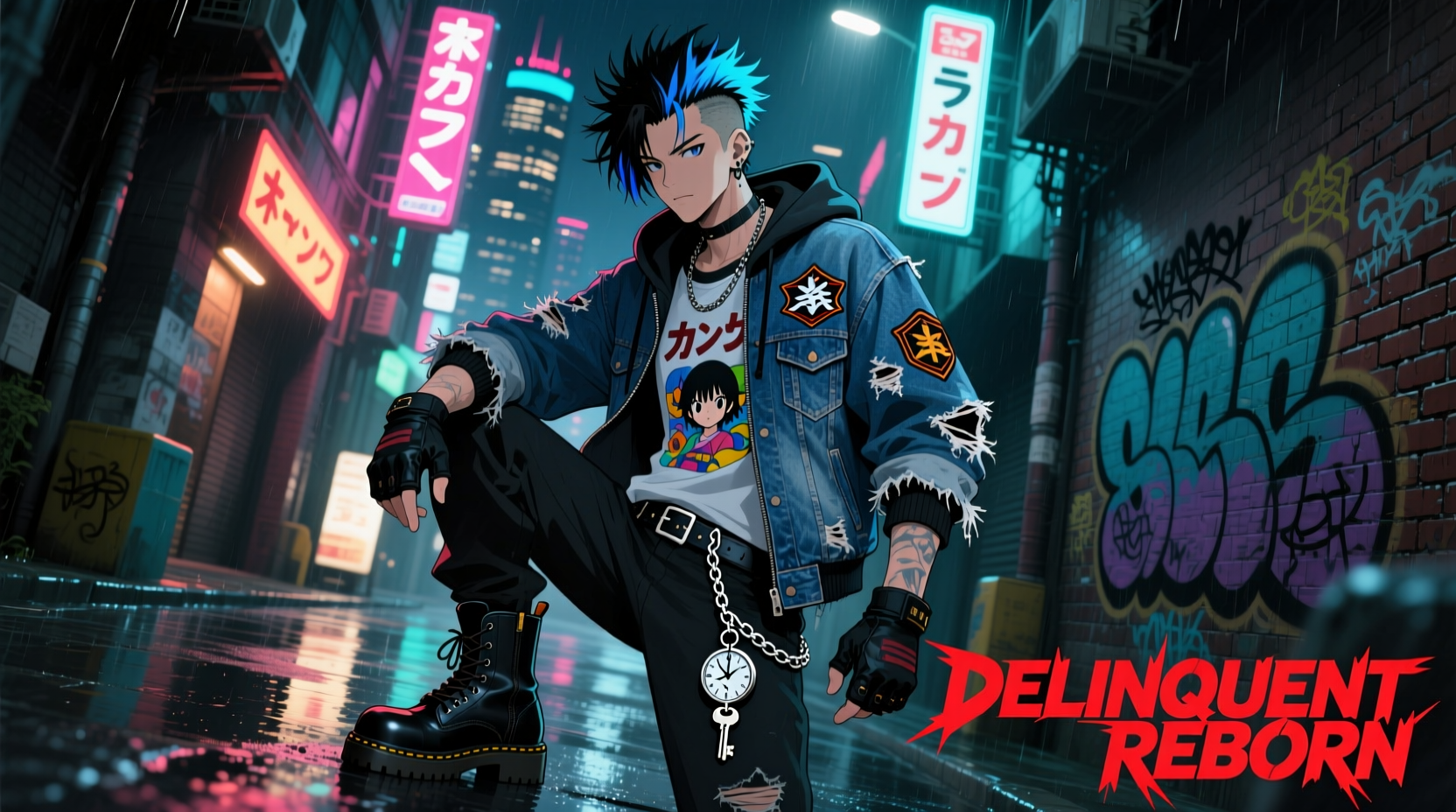
To understand the modern revival, it’s essential to revisit the origins of the yankii style. Emerging in the 1970s and peaking in the 1980s, Japanese delinquent fashion was born from socioeconomic tensions and youth disillusionment. Students from lower-income families adopted exaggerated school uniforms—known as *sukeban* for girls and *yan-ke* for boys—as symbols of defiance against authority and societal expectations.
Key elements included:
- Loose-fitting, modified school blazers with wide lapels
- Pants rolled above the ankle, often paired with loafers or creepers
- White tube socks pulled high
- Long, slicked-back hair or dramatic pompadours
- Bomber or flight jackets adorned with kanji slogans or gang insignias
These looks weren’t just fashion—they were armor. Wearing them signaled belonging to a group, a rejection of conformity, and a declaration of independence. Films like *Crows Zero* and *Waterboys* romanticized the archetype, embedding it in Japan’s cultural imagination. Now, *Tokyo Revengers* breathes new life into that legacy, recontextualizing it for a generation raised on anime, social media, and fast fashion.
“Today’s delinquent style isn’t about rebellion through disruption—it’s about reclaiming identity through symbolism.” — Rina Takahashi, Cultural Anthropologist at Waseda University
How Tokyo Revengers Is Shaping Modern Streetwear
The anime adaptation of *Tokyo Revengers*, released in 2021, didn’t just captivate audiences with its time-travel plot and emotional depth—it showcased a meticulously styled world where fashion tells a story. Protagonist Takemichi Hanagaki’s transformation from timid office worker to reluctant gang member is mirrored in his wardrobe: baggy trousers, untucked shirts, and a signature red bandana.
But it’s the rival gangs—the Toman, Moebius, and Black Dragons—that truly define the aesthetic. Each faction uses color coding, jacket patches, and uniform modifications to assert dominance and loyalty. This attention to detail has inspired fans to replicate the looks with surprising authenticity.
Brands have taken notice. Japanese labels like Undefeated, Neighborhood, and WTAPS have incorporated delinquent motifs into recent collections. Even international retailers such as Uniqlo and ASOS now feature “anime-inspired” jackets and distressed denim lines that echo the *Tokyo Revengers* universe.
Tip: Focus on fit and attitude—not perfection. The delinquent style thrives on slight dishevelment: slightly wrinkled shirts, undone zippers, and asymmetrical layering add authenticity.Building a Delinquent-Inspired Wardrobe: Key Pieces
Adopting the Tokyo Revengers look doesn’t require joining a gang—just a few strategic clothing choices. The foundation lies in blending structure with rebellion. Think tailored outerwear meets casual disregard.
| Item | Authentic Detail | Modern Adaptation |
|---|---|---|
| Bomber Jacket | Leather or satin with embroidered gang names | Oversized nylon version with minimalist patch |
| School Blazer | Double-breasted, extended shoulders, worn open | Deconstructed wool blend with raw hems |
| Roll-Up Jeans | Dark indigo, cuffed above ankle, no break | Distressed slim-fit with intentional fraying |
| Footwear | Black loafers or military boots | Chunky sneakers with lug soles |
| Accessories | Bandanas, fingerless gloves, chains | Minimal chain necklace, leather wristband |
The goal isn’t cosplay—it’s capturing the essence. A black bomber with a small red emblem nods to Toman without being literal. Pair it with straight-leg jeans and a plain white tee to keep the look wearable in urban environments.
Color Psychology in Gang Fashion
One of the most subtle yet powerful aspects of the delinquent revival is its use of color. In *Tokyo Revengers*, each gang aligns with a specific hue: Toman wears red, symbolizing passion and danger; Moebius dons blue, representing loyalty and melancholy. Fans are adopting this code, using color to signal affiliation or mood.
Fashion influencers now curate “gang-themed” outfits based on emotional resonance rather than allegiance. A red hoodie becomes a statement piece, not unlike wearing team colors. This psychological layer adds depth to what might otherwise be seen as mere costume.
Styling the Look: From Anime to Everyday Wear
The biggest challenge in embracing the delinquent trend is balancing authenticity with practicality. You don’t want to walk into a coffee shop looking like you’re about to jump on a chopper—but you also don’t want to dilute the style’s edge.
Here’s a step-by-step guide to integrating the aesthetic into daily life:
- Start with one statement piece: Choose a bomber jacket or school-style blazer as your anchor. Neutral colors like black, navy, or charcoal are easiest to pair.
- Pair with minimalist basics: Keep shirts and tees simple—solid colors, cotton fabric, relaxed fit. Avoid logos or graphics that clash with the vintage vibe.
- Modify the silhouette: Roll your jeans just above the ankle. Leave your shirt untucked. Let your jacket hang slightly off the shoulder.
- Add subtle accessories: A thin chain, leather bracelet, or bandana in your pocket can nod to the theme without overwhelming.
- Footwear matters: Opt for clean, structured shoes. Black Chelsea boots or monochrome sneakers maintain the look’s seriousness.
- Finish with attitude: Confidence sells the style. Stand tall, avoid over-accessorizing, and embrace understated cool.
Avoid These Common Mistakes
- Overdoing the theme: Wearing a full replica outfit limits versatility and risks appearing costumey.
- Ignoring fit: Baggy doesn’t mean ill-fitting. Ensure shoulders and waist still align with your frame.
- Mixing too many subcultures: Combining delinquent style with cyberpunk or gyaru elements creates visual chaos.
- Neglecting grooming: The look embraces roughness, not uncleanliness. Hair should be styled, skin cared for.
Real-World Example: How a Tokyo Student Made the Trend Her Own
Yumi Sato, a 20-year-old university student in Shinjuku, began experimenting with delinquent fashion after binge-watching *Tokyo Revengers* during lockdown. Initially hesitant to wear anything too bold, she started small—buying a secondhand black blazer with exaggerated lapels from a vintage store in Koenji.
She paired it with high-waisted black pants and a cropped white shirt, rolling the sleeves deliberately. Instead of traditional loafers, she wore matte black Dr. Martens. To personalize it, she stitched a small red thread onto the collar—a quiet tribute to Toman.
“I didn’t want to look like a character,” she explained. “I wanted to feel strong. That jacket made me stand taller. People noticed, but not in a weird way—in a ‘you’ve got presence’ kind of way.”
Within months, her Instagram following grew as she posted styled photos with captions about self-expression and resilience. She now collaborates with a local boutique on a capsule collection called “Quiet Rebellion,” blending delinquent silhouettes with sustainable fabrics.
Her journey illustrates how the trend transcends imitation—it becomes a vehicle for personal narrative.
Expert Insights: Why This Trend Has Staying Power
Unlike fleeting meme-driven fashion cycles, experts believe the delinquent revival has longevity due to its cultural depth and emotional resonance.
“The appeal isn’t just visual—it’s psychological. Young people today face immense pressure to succeed, conform, and optimize. The delinquent style offers symbolic release. It says, ‘I don’t have to play by the rules to be seen.’” — Dr. Kenji Morimoto, Sociologist at Keio University
Additionally, the trend aligns with broader shifts in menswear and gender-neutral fashion. Oversized cuts, minimal branding, and functional layers resonate with current preferences for comfort and authenticity. Unlike hyper-tailored or flashy styles, the delinquent look feels grounded—even democratic.
“It’s accessible,” notes fashion curator Mika Tanaka. “You don’t need designer pieces. A thrifted jacket, some DIY distressing, and the right posture can create the entire mood.”
FAQ: Your Questions About the Delinquent Trend, Answered
Is the delinquent style appropriate for work or formal settings?
Not in its pure form, but elements can be adapted. A well-fitted blazer with subtle structural details (like padded shoulders) can add edge to business-casual attire. Avoid patches, chains, or rolled cuffs in professional environments.
Can women wear the Tokyo Revengers delinquent style?
Absolutely. The aesthetic is increasingly gender-fluid. Women can adopt looser tailoring, layered jackets, and combat boots while adding personal touches like jewelry or makeup for contrast. The sukeban tradition actually originated as a female-led movement.
Where can I find authentic-looking pieces without spending a lot?
Check vintage stores, online marketplaces like Mercari Japan (via proxy services), or indie brands specializing in Japanese streetwear. Look for keywords like “biker jacket,” “military surplus,” or “deconstructed blazer.”
Essential Checklist: Building Your Delinquent-Inspired Capsule Wardrobe
- ✅ One oversized bomber or flight jacket (black or navy)
- ✅ Modified school-style blazer with strong shoulders
- ✅ Straight-leg or slightly tapered dark denim
- ✅ White crew-neck tees and long-sleeve undershirts
- ✅ Minimalist footwear: loafers, boots, or chunky sneakers
- ✅ Subtle accessories: leather strap watch, thin chain, bandana
- ✅ One signature item with personal meaning (e.g., embroidered patch)
Conclusion: Embrace the Rebellion, Respect the Roots
The return of the delinquent style isn’t just about nostalgia or fandom—it’s a cultural reset. In a world where digital personas often overshadow real identity, dressing with intention becomes an act of resistance. The *Tokyo Revengers* fashion trend invites us to explore who we are beneath the surface: not through perfection, but through imperfection, history, and courage.
This isn’t about glorifying violence or rebellion for its own sake. It’s about honoring the stories behind the clothes—the struggle, the loyalty, the search for belonging. When you wear a jacket inspired by Toman, you’re not pretending to be a gang leader. You’re tapping into a legacy of resilience.
🚀 Ready to redefine your style? Start with one piece that speaks to your inner rebel. Share your look online with #DelinquentStyle and join a growing movement that values authenticity over trends.