Sleeve length is more than a subtle design detail—it’s a powerful stylistic choice that influences silhouette, function, and appropriateness. When choosing between a three-quarter sleeve and a long sleeve dress, the decision isn’t just about aesthetics; it reflects climate needs, personal comfort, and event expectations. While both styles offer elegance and versatility, understanding their distinct advantages helps you make intentional wardrobe choices that align with your lifestyle.
The Functional Difference Between Three-Quarter and Long Sleeves
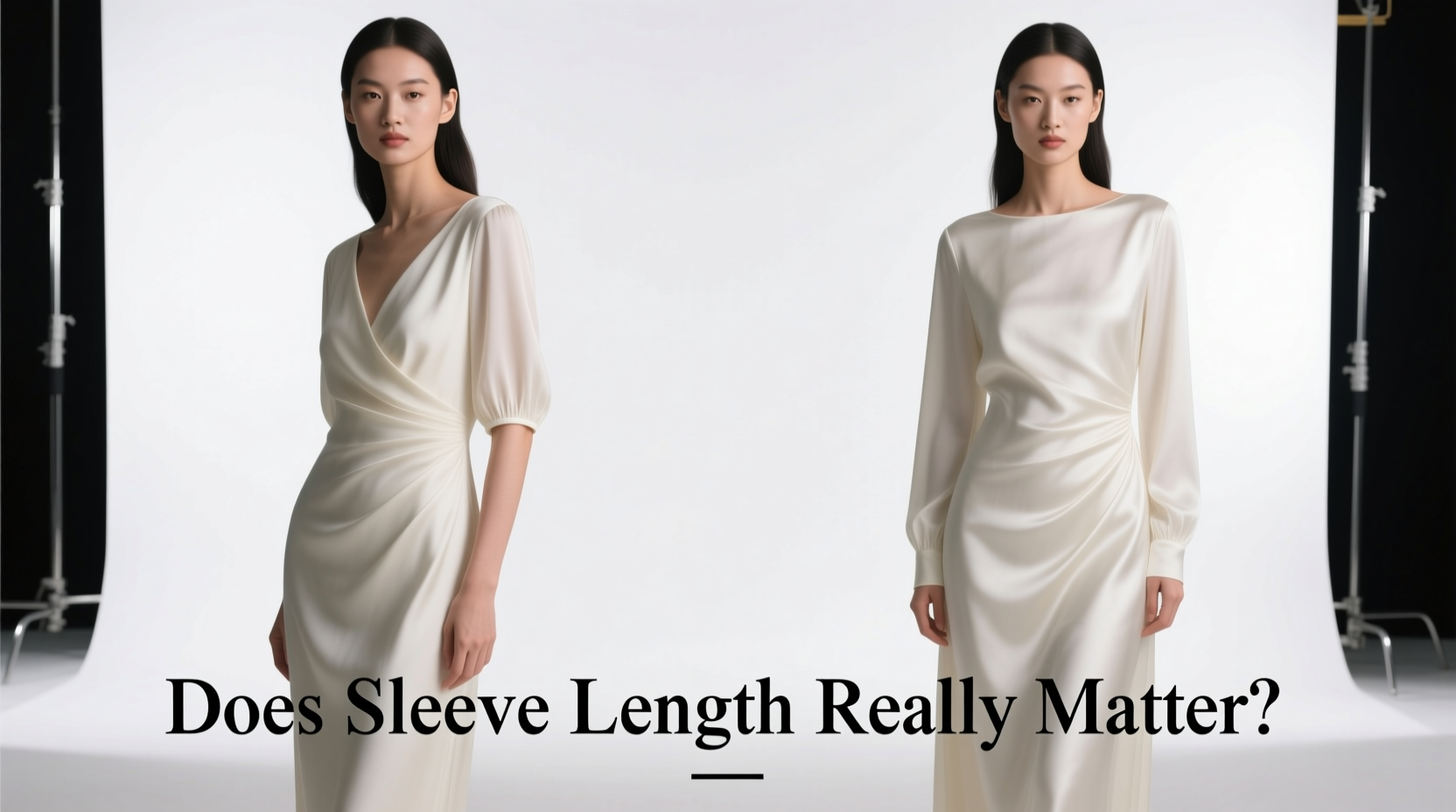
At first glance, the difference seems minimal—just a few extra inches of fabric. But those inches can dramatically alter a garment’s role in your closet. A three-quarter sleeve typically ends between the elbow and wrist, leaving the lower arm partially exposed. In contrast, a long sleeve extends fully to the wrist, sometimes beyond into a cuff or flare.
This variation affects temperature regulation, layering potential, and even perceived formality. Three-quarter sleeves are inherently transitional—they bridge the gap between short-sleeve casualness and full coverage. They’re ideal for mild weather or indoor environments with fluctuating temperatures, such as air-conditioned offices or evening events during warmer months.
Long sleeves, on the other hand, provide insulation and protection. They’re better suited for cooler climates, formal occasions, or settings where modesty is expected. Their full coverage also makes them a preferred option in professional environments or religious ceremonies.
Tip: Choose three-quarter sleeves when layering over lightweight tops or cardigans; opt for long sleeves when you need standalone warmth without additional layers.Style and Proportion: How Sleeve Length Shapes Your Look
Fashion is deeply tied to proportion, and sleeve length plays a crucial role in balancing your overall silhouette. Three-quarter sleeves draw attention to the forearm, creating visual interest and elongating the arm—especially when paired with fitted bodices or open necklines. This can be flattering for individuals seeking to emphasize gracefulness in their upper body.
Long sleeves contribute to a sleeker, more streamlined profile. When tailored well, they enhance structure and sophistication. Think of a velvet long-sleeve cocktail dress at a winter gala versus a breezy linen three-quarter sleeve dress at a garden brunch—the sleeve length immediately signals the tone.
Designers often use sleeve length to manipulate perception. For example, vertical lines created by long sleeves can create an illusion of height, while cropped sleeves introduce breaks in the line, adding rhythm to the outfit. The same dress pattern can feel entirely different based solely on sleeve modification.
“Sleeve length is one of the most underrated tools in fashion design. It controls exposure, volume, and movement—all critical elements in how a garment interacts with the body.” — Lila Chen, Fashion Designer & Educator
Occasion-Based Suitability: Matching Sleeve Style to Event Type
Not all events call for the same level of coverage. Understanding social cues and dress codes ensures you're appropriately attired—and confident in your choice.
| Sleeve Type | Ideal Occasions | Less Suitable For |
|---|---|---|
| Three-Quarter Sleeve | Brunches, daytime weddings, office wear (spring/fall), outdoor events | Cold-weather formal events, conservative religious services, winter galas |
| Long Sleeve | Evening galas, winter weddings, business meetings, church services, funerals | Hot summer days, beach parties, highly casual outings |
For instance, a floral-print three-quarter sleeve midi dress may shine at a daytime wedding in May but appear underdressed at a December reception. Conversely, a black long-sleeve satin dress might feel overly formal at a picnic but perfect for a charity dinner.
Mini Case Study: Choosing the Right Dress for a Destination Wedding
Sophia was invited to a destination wedding in Tuscany in September. The invitation suggested \"semi-formal garden attire.\" She considered two options: a navy long-sleeve lace dress and a coral three-quarter sleeve chiffon dress. After checking local weather patterns—average highs of 82°F (28°C) with cool evenings—she chose the three-quarter sleeve. During the day, the shorter sleeve kept her comfortable under the sun. For the evening reception, she added a sheer shawl, maintaining elegance without overheating. Her choice balanced style, practicality, and cultural appropriateness.
Climate and Seasonality: Adapting to Weather Conditions
Seasonal dressing isn’t just about trends—it’s about comfort and adaptability. Sleeve length directly correlates with thermal comfort. In temperate regions, three-quarter sleeves dominate spring and fall wardrobes because they allow airflow while offering slight protection from wind or light chill.
In contrast, long sleeves dominate winter collections. Fabrics like wool, velvet, and heavy knits are commonly used with long sleeves to retain heat. However, advancements in textile technology now allow for breathable long sleeves suitable for warmer climates—such as lightweight cotton voile or moisture-wicking synthetics.
The rise of global travel and remote work has also increased demand for versatile pieces. A long-sleeve dress made from mid-weight jersey can transition from a Zoom meeting to a dinner out simply by rolling up the sleeves. This adaptability blurs traditional seasonal boundaries, making sleeve length a dynamic rather than fixed attribute.
Tip: Roll and pin long sleeves for a makeshift three-quarter look in warm weather—but ensure the fabric holds its shape without creasing.Step-by-Step Guide: Choosing Between Three-Quarter and Long Sleeve Dresses
Selecting the right sleeve length doesn’t have to be guesswork. Follow this simple process to make informed decisions:
- Assess the occasion. Is it formal, casual, indoor, or outdoor? Formal events often favor long sleeves; casual daytime events lean toward three-quarter.
- Check the season and forecast. Hot weather favors shorter sleeves; cold or variable conditions benefit from longer coverage.
- Evaluate your comfort zone. Do you tend to get cold easily? Prefer showing your arms? Personal preference should guide your choice.
- Consider layering options. Can you add a jacket, shawl, or bolero? Three-quarter sleeves pair well with outerwear; long sleeves may limit layering unless cut slim.
- Review the neckline and fit. High necklines with long sleeves can feel restrictive; off-the-shoulder designs with three-quarter sleeves balance exposure and coverage.
- Think long-term versatility. Will this dress work across multiple seasons and events? A neutral long-sleeve dress may offer broader reuse than a summery three-quarter style.
FAQ
Can I wear a long sleeve dress in summer?
Yes—if the fabric is lightweight and breathable. Linen, cotton, and rayon long-sleeve dresses are designed for hot climates. Look for loose fits and ventilation features like back slits or underarm gussets.
Are three-quarter sleeves appropriate for formal events?
It depends on the event's tone and location. In many modern settings, especially daytime or outdoor formal events, three-quarter sleeves are perfectly acceptable. For black-tie or evening galas, long sleeves are traditionally preferred.
How do I know if a sleeve length flatters my body type?
Focus on proportion. Petite individuals may find that three-quarter sleeves visually extend the arm without overwhelming the frame. Taller figures can carry both lengths well, but long sleeves enhance dramatic silhouettes. Try both in natural light and observe where the sleeve breaks on your arm—ideally at a joint (elbow or wrist) for clean lines.
Final Checklist Before You Buy
- ✅ Does the sleeve length match the primary season I’ll wear it?
- ✅ Is the fabric appropriate for the climate and occasion?
- ✅ Can I layer it with jackets, vests, or shawls?
- ✅ Does it align with the formality level of events in my calendar?
- ✅ Am I comfortable with the amount of skin exposed (or covered)?
- ✅ Will this piece complement at least three accessories or shoes I already own?
Conclusion: Yes, Sleeve Length Matters—But Flexibility Matters More
Sleeve length isn’t a trivial detail—it shapes how a dress functions, feels, and is perceived. Whether you choose a three-quarter or long sleeve dress, the decision should reflect context, comfort, and confidence. The modern wardrobe thrives on versatility, so consider building a collection that includes both styles. With thoughtful selection, you can navigate any season, occasion, or trend without sacrificing personal expression.
💬 What’s your go-to sleeve length for different seasons? Share your favorite dress combinations and help others discover smarter styling strategies!