
Pleated underarm bags have become a staple in modern fashion—a blend of structured elegance and minimalist design that elevates any outfit. But their intricate folds and compact form make them particularly vulnerable to dirt, creasing, and material stress. Unlike simpler tote or crossbody styles, pleated bags demand precision in care to maintain both aesthetic appeal and longevity. Without proper maintenance, the delicate pleats can collapse, fabrics may stain irreversibly, and hardware might tarnish. This guide delivers a comprehensive, step-by-step approach to cleaning and preserving your pleated underarm bag, combining practical techniques with expert insights to keep it looking showroom-fresh.
Understanding Your Bag’s Materials
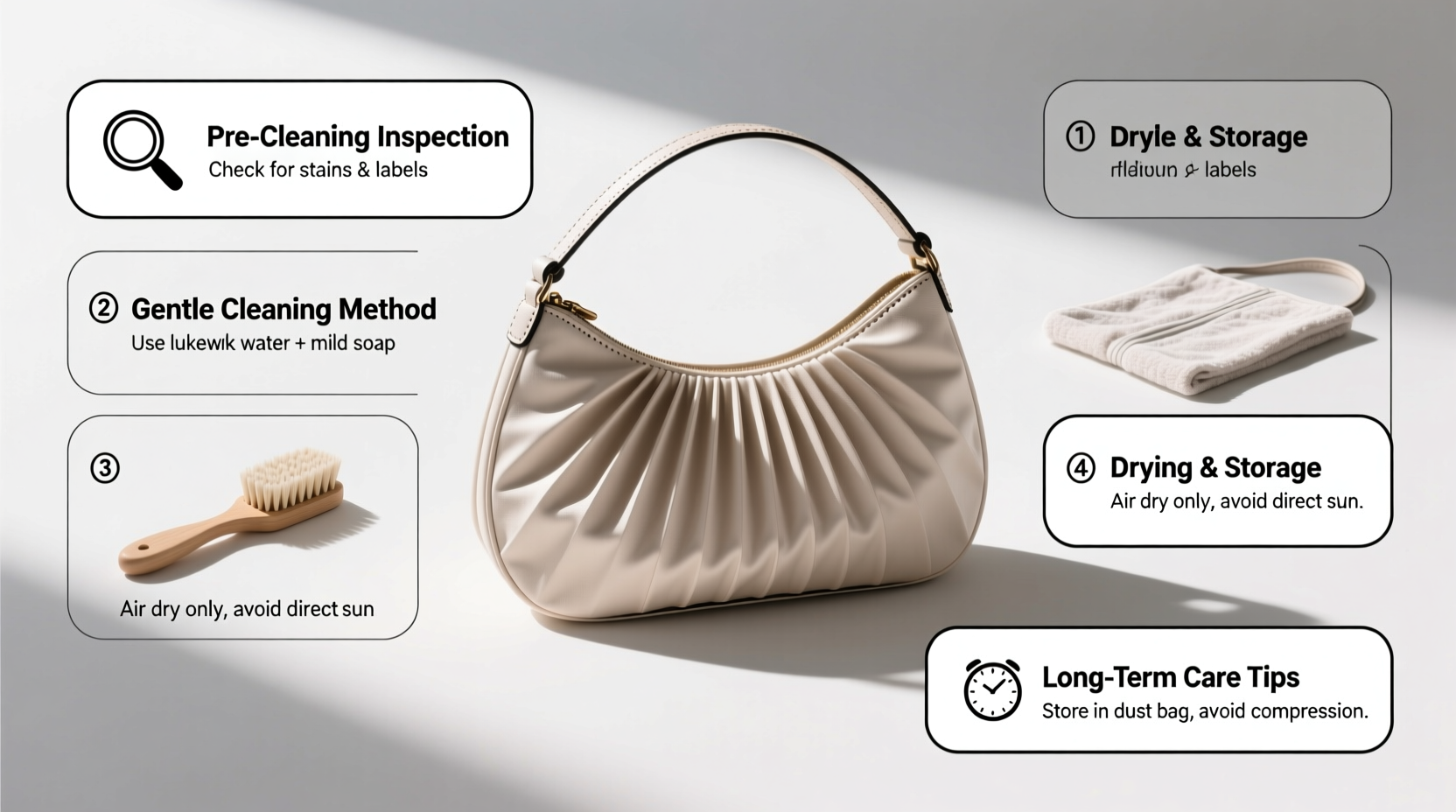
The first rule of proper bag care is knowing what you're working with. Pleated underarm bags come in various materials—each requiring distinct cleaning methods. Common types include:
- Faux leather (PU or PVC): Durable and water-resistant but prone to cracking if dried improperly.
- Genuine leather: Luxurious and long-lasting, yet sensitive to moisture and sunlight.
- Textile blends (polyester, nylon, rayon): Lightweight and often machine-washable, but pleats can flatten during laundering.
- Structured microfiber or technical fabrics: Designed for resilience, though still susceptible to oil-based stains.
Always check the manufacturer’s label or product description before beginning any cleaning process. When in doubt, assume the material is delicate and proceed conservatively. A small test patch on an inconspicuous area—like the bottom edge—can prevent widespread damage.
“Pleating adds dimension, but also complexity. Each fold traps dust and oils. Cleaning must be gentle enough not to distort the structure.” — Lena Park, Handbag Conservation Specialist at The Fashion Archive
Step-by-Step: Safe Cleaning Process
Cleaning a pleated underarm bag isn’t just about removing surface dirt—it’s about preserving the integrity of the pleats while eliminating grime from hard-to-reach folds. Follow this timeline for best results:
- Empty and inspect: Remove all contents. Check for loose threads, broken stitching, or hardware issues. Address these before cleaning.
- Dry brushing: Use a soft-bristled clothes brush or clean makeup brush to gently sweep debris from between pleats. Work top to bottom to avoid pushing dirt deeper.
- Spot testing: Apply a tiny amount of cleaner on a hidden area. Wait 10 minutes. If no discoloration or texture change occurs, proceed.
- Surface wipe-down: For non-porous materials (faux leather, coated fabrics), use a microfiber cloth dampened with a 50/50 mix of distilled water and white vinegar. Wipe in the direction of the pleats to avoid distortion.
- Treating stains: For oil-based marks, sprinkle cornstarch and let sit overnight to absorb grease. For ink, use a cotton swab lightly dipped in rubbing alcohol (only on non-porous surfaces).
- Drying: Never use heat. Air-dry flat in a well-ventilated room away from direct sunlight. Stuff loosely with acid-free tissue paper to retain shape.
- Final conditioning (for leather only): Once fully dry, apply a thin layer of pH-balanced leather conditioner using a lint-free cloth.
Do’s and Don’ts: Material-Specific Care Table
| Material | Do’s | Don’ts |
|---|---|---|
| Faux Leather | Wipe with damp microfiber cloth; store in breathable cotton bag | Avoid alcohol-based cleaners; don’t expose to high heat |
| Genuine Leather | Condition every 3 months; use UV-protective spray | Never use household detergents; don’t store in plastic |
| Textile Blends | Use mild detergent on spot stains; air-dry flat | No machine washing unless specified; avoid ironing pleats |
| Technical Fabrics | Blot spills immediately; clean with specialized fabric wipes | Don’t scrub aggressively; avoid steam cleaning |
Maintaining Shape and Structure
The defining feature of a pleated bag is its crisp, accordion-like silhouette. Over time, frequent use and improper storage can cause pleats to loosen or shift. To preserve structure:
- Store the bag upright with light stuffing—never hang by the strap, as this stretches seams and distorts folds.
- Use acid-free tissue or soft linen cloths to fill the interior, supporting vertical alignment without over-compression.
- Rotate usage. Avoid daily wear of the same pleated bag to reduce mechanical fatigue on the folds.
- Keep away from humid environments. Excess moisture softens adhesives used in pleat formation, leading to sagging.
For bags with internal frames or stiffeners, never remove them—even for cleaning. These components are engineered to hold the pleat geometry intact.
Real Example: Reviving a Collapsed Pleat
Sophie, a stylist in Portland, noticed her favorite taupe pleated shoulder bag had lost definition after being packed in a suitcase. The middle pleats had fused together, creating a flattened section. She avoided steaming, which could further weaken the fabric bonds. Instead, she placed a narrow strip of cardboard inside each affected pleat, secured temporarily with washi tape, then left the bag in a dry closet for 72 hours. After removing the supports, the pleats regained most of their original depth. She now stores the bag with custom-cut inserts during travel.
Essential Care Checklist
Monthly Pleated Bag Maintenance Checklist:- ✔️ Empty and inspect for wear
- ✔️ Brush between pleats to remove dust
- ✔️ Wipe exterior with appropriate cleaner
- ✔️ Condition leather straps (if applicable)
- ✔️ Replace stuffing with fresh tissue paper
- ✔️ Store in breathable dust bag
- ✔️ Rotate out of regular use for 1–2 weeks
Frequently Asked Questions
Can I use baby wipes to clean my pleated bag?
No. Most baby wipes contain alcohol, fragrances, and preservatives that can degrade coatings on faux leather and strip natural oils from genuine leather. They may also leave behind residue that attracts more dirt. Stick to distilled water and approved cleaning solutions.
How often should I deep clean my pleated underarm bag?
Every 3 to 4 months for regular use. If used daily in urban environments (exposed to pollution, hand oils, or rain), consider cleaning every 6–8 weeks. Frequent light maintenance reduces the need for aggressive treatments later.
Is it safe to use a steamer on pleats to restore shape?
Not recommended. Steam can penetrate adhesive layers holding pleats together, causing permanent deformation. It may also set certain stains rather than lift them. For reshaping, rely on physical support and time instead.
Conclusion: Care That Honors Craftsmanship
A pleated underarm bag is more than an accessory—it’s a feat of textile engineering and design precision. Every fold represents intentional craftsmanship, deserving of thoughtful upkeep. By following a disciplined routine of gentle cleaning, intelligent storage, and preventive care, you protect not just the appearance but the functional life of your bag. These habits extend beyond aesthetics; they reflect respect for quality and sustainability in fashion. Whether your bag is an investment piece or a seasonal favorite, consistent attention ensures it remains a confident part of your wardrobe for years.
💬 Have a pleated bag care tip that worked wonders for you? Share your experience in the comments and help others preserve their style with confidence.








