
In a world where every dollar counts, the idea of getting something for nothing is more appealing than ever. But “free” doesn’t have to mean unethical or shady. There are countless legal, ethical, and surprisingly effective ways to access free products, services, and experiences—if you know where to look and how to approach them. This guide dives into underused but reliable methods that go beyond coupon clipping and sample requests. From corporate generosity loopholes to community-based sharing economies, these strategies can help you stretch your budget without compromising integrity.
Why Free Doesn’t Mean Risky
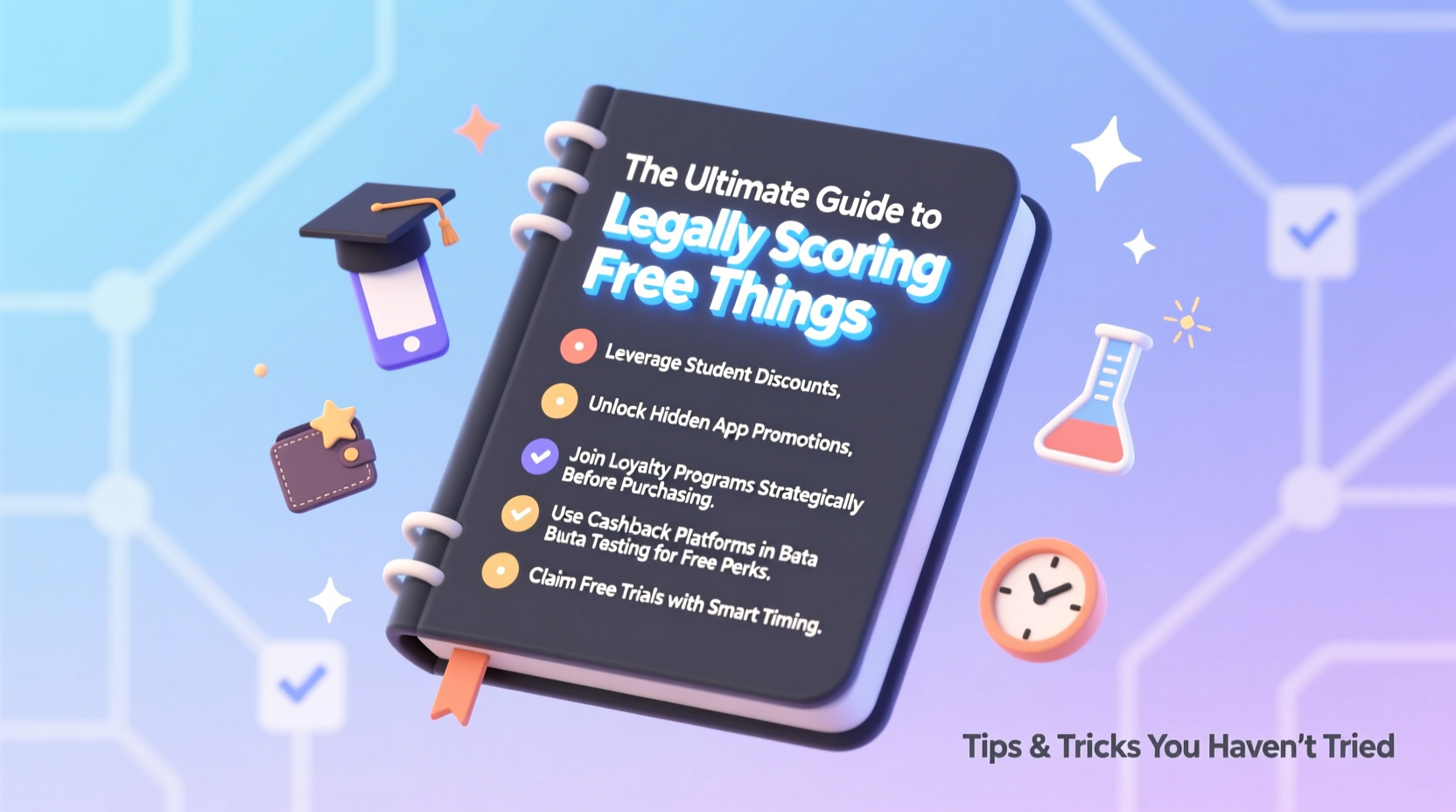
The misconception that “free stuff” must involve scams, data harvesting, or rule-breaking persists. In reality, businesses, organizations, and individuals give away valuable items every day for marketing, sustainability, or goodwill. Companies distribute free samples to build brand loyalty. Tech startups offer premium tools at no cost during beta testing. Libraries and schools cycle out equipment. The key is knowing how to participate ethically and efficiently.
“Free isn’t about taking advantage—it’s about participating in systems designed to share value.” — Dana Ruiz, Consumer Behavior Analyst
Uncommon but Legal Ways to Score Free Items
Beyond signing up for product trials or downloading apps, there are lesser-known avenues worth exploring. These aren’t gimmicks—they’re real opportunities used by savvy consumers worldwide.
1. Tap Into Corporate Disposal Policies
Many companies—from tech firms to grocery stores—are contractually required to destroy outdated or returned inventory. However, some allow employees to take unusable (but still functional) items home or donate them. Others partner with redistribution platforms like Loop Returns or Refurbed, which resell refurbished returns. If you know someone who works in logistics, retail, or warehousing, they might be able to alert you when surplus becomes available.
Tip: Call local warehouse outlets or return centers and politely ask if they have a policy for offloading slightly damaged goods.2. Leverage “Beta Testing” Access
Software companies, app developers, and even food brands often need real users to test unreleased products. In exchange for feedback, testers receive free access—or physical products. Platforms like BetaList, UserTesting, and Crowdtester connect volunteers with active programs. Some require only basic tech literacy; others pay cash, but many simply reward with free subscriptions or gear.
3. Explore Library Beyond Books
Modern public libraries lend far more than novels. Many offer free passes to museums, concert tickets, toolkits, Wi-Fi hotspots, sewing machines, and even baking pans. Check your local library’s digital catalog or inquire at the front desk. Some institutions rotate seasonal kits—like gardening tools in spring or holiday lights in December.
4. Use the “Not for Resale” Loophole Ethically
Vendors sometimes mark promotional items as “not for resale,” but they rarely track end use. While reselling violates terms, personal use does not. Attend trade shows, industry expos, or local business events where swag bags include headphones, skincare, snacks, or apparel. Bring a tote bag and collect freely—just don’t plan to flip them on eBay.
5. Join Hyperlocal Giveaway Networks
Apps like Buy Nothing (a Facebook-based gift economy) operate on pure gifting. Members post what they’re giving away or requesting. No money, bartering, or haggling. One person’s clutter—a stroller, bookshelf, or leftover tiles—is another’s treasure. Success depends on engagement: the more you give, the more trusted you become in the group.
“I got a full baby wardrobe, a high chair, and a crib—all before my daughter was born. No one asked for anything in return.” — Lena M., Portland, OR
Step-by-Step Guide: How to Systematically Find Free Goods
Instead of waiting for luck, create a repeatable process. Follow this timeline to integrate free-item hunting into your routine.
- Week 1: Audit Your Needs
Make a list of items you’ll need in the next 3–6 months—e.g., kitchen gadgets, winter coats, printer ink. Prioritize high-cost or frequently replaced goods. - Week 2: Research Local & Digital Channels
Identify nearby resources: libraries, Buy Nothing groups, university surplus sales, recycling centers with reuse programs. Sign up for newsletters from eco-stores or zero-waste shops that host giveaways. - Week 3: Optimize Your Online Presence
Create a dedicated email for freebie sites to avoid spam. Fill out detailed profiles on beta testing and survey platforms to increase eligibility. - Week 4: Engage & Request
Post polite requests in community groups. For example: “Looking for a used bike lock—happy to pick up!” Avoid sounding entitled; gratitude increases response rates. - Ongoing: Maintain Momentum
Give away something monthly, even if small. It builds reciprocity and keeps you visible in gifting networks.
Do’s and Don’ts of Ethical Freebie Hunting
| Do | Don’t |
|---|---|
| Express genuine thanks when receiving items | Resell items labeled “not for resale” |
| Reuse or repurpose what you receive | Request multiple identical items unnecessarily |
| Follow platform rules (e.g., one request per week) | Ghost donors after agreeing to pick up |
| Donate unused free items to charity | Exploit generosity with false emergencies |
Checklist: Maximize Your Free Item Success
- ✅ Identify 3 upcoming needs (e.g., backpack, blender, boots)
- ✅ Join at least two local Buy Nothing groups
- ✅ Sign up for 3 beta testing or sample sites (e.g., PinchMe, Vindale Research)
- ✅ Visit your library’s website to explore non-book lending options
- ✅ Set up a secondary email for freebie accounts
- ✅ Post one giveaway item to start building trust
- ✅ Schedule monthly check-ins to reassess your free-item goals
Frequently Asked Questions
Is it really legal to take “free” items from businesses or events?
Yes, as long as the item is offered openly and you don’t misrepresent yourself or violate terms. If a company hands out free samples at a store opening, accepting them is perfectly legal. Just avoid deception, theft, or misuse of access.
Won’t asking for free stuff make me look cheap or greedy?
Not if done respectfully. In gifting economies like Buy Nothing, asking is expected. Frame requests thoughtfully: “I’m furnishing my first apartment and would love to find a gently used lamp.” People appreciate honesty and context.
Can I get high-value items for free without winning contests?
Rarely through direct giveaways—but yes via indirect routes. For example, universities discard lab equipment; nonprofits upgrade office tech. With patience and networking, you can access laptops, furniture, or fitness gear marked for recycling but still functional.
Conclusion: Start Smart, Stay Ethical
Scoring free things isn’t about gaming the system—it’s about recognizing abundance and reducing waste. Every year, tons of usable goods are discarded simply because their owners don’t know whom to give them to. By engaging with communities, understanding corporate policies, and using structured methods, you can legally acquire what you need while promoting sustainability.
💬 Ready to begin? Pick one strategy from this guide—join a local group, contact your library, or sign up for a beta site—and take action today. Share your first win in the comments to inspire others!








