
School backpacks and lunch bags endure daily wear, food spills, sweat, and forgotten crumbs. Over time, this buildup leads to odors, stains, and bacterial growth. Most students—and parents—overlook regular deep cleaning until the smell becomes unbearable or mold appears. A thorough cleaning not only restores freshness but also extends the life of these essential items. This guide provides a complete, step-by-step approach to safely and effectively deep clean both fabric backpacks and insulated lunch bags, using household supplies and proven techniques.
Why Deep Cleaning Matters
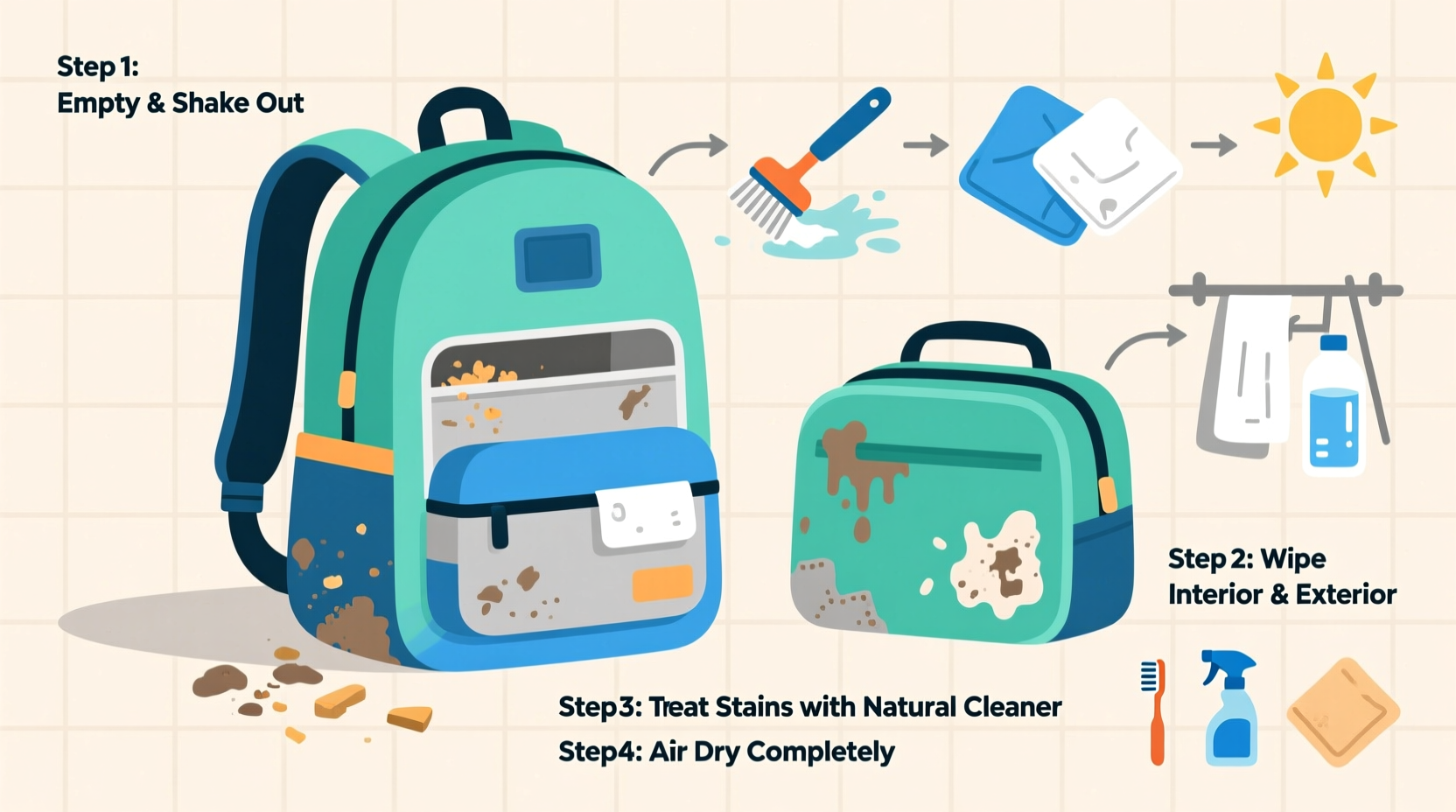
Backpacks and lunch bags are breeding grounds for bacteria, especially when exposed to moisture, food residue, and body contact. A study by the University of Arizona found that backpacks can carry more germs than a toilet seat. Regular wiping may remove surface dirt, but it doesn’t eliminate embedded grime or odor-causing microbes. Deep cleaning kills bacteria, removes allergens, prevents mildew, and keeps materials from breaking down prematurely.
“Consistent care and proper storage can double a bag’s lifespan.” — Emma Clarke, Fashion Care Expert
Ignoring deep cleaning leads to persistent smells, stained fabrics, weakened zippers, and even structural damage. Whether used by elementary students or college commuters, every bag benefits from a seasonal refresh.
Step-by-Step: How to Deep Clean a Fabric Backpack
Fabric backpacks—typically made from nylon, polyester, or canvas—are machine-washable only if the care label allows. Most do not tolerate washing machines well due to hardware stress and seam strain. Hand washing is safer and more effective.
- Empty and Pre-Inspect: Remove all contents, including hidden items in pockets. Check for loose threads, broken zippers, or tears. Repair minor issues before washing.
- Shake Out Debris: Take the bag outside and shake vigorously. Use a soft brush or lint roller to dislodge crumbs and dust from seams and corners.
- Spot Clean Stains: Mix one tablespoon of mild dish soap with two cups of warm water. Dip a microfiber cloth into the solution and gently scrub stained areas. Avoid soaking the fabric.
- Wipe Interior and Exterior: Dampen a clean cloth with the soapy solution and wipe down all surfaces. Pay attention to shoulder straps, back panels, and zipper pulls—common sweat zones.
- Rinse with Damp Cloth: Use a second cloth dampened with clean water to wipe away soap residue. Excess soap attracts dirt.
- Air Dry Completely: Hang the backpack upside down in a well-ventilated area, away from direct sunlight. Ensure all compartments are open to speed drying. Never use a dryer.
- Deodorize (Optional): Once dry, sprinkle baking soda inside, let sit for 30 minutes, then vacuum out. For extra freshness, place a silica gel packet inside when storing.
Cleaning Insulated Lunch Bags: A Different Approach
Lunch bags require special handling due to their waterproof linings and insulation layers. These materials can trap moisture and promote mold if not dried properly. Unlike backpacks, lunch bags often come into contact with perishable foods, making hygiene critical.
| Step | Action | Notes |
|---|---|---|
| 1. Empty & Inspect | Remove all containers and check for leaks or spoiled food. | Dispose of any expired items immediately. |
| 2. Wipe Interior | Use a disinfecting wipe or soapy cloth to clean the liner. | Avoid abrasive pads that scratch the coating. |
| 3. Treat Odors | Place an open box of baking soda inside overnight. | Replace monthly for ongoing freshness. |
| 4. Sanitize (Weekly) | Wipe with a 50/50 vinegar-water mix. | Kills bacteria without damaging fabric. |
| 5. Dry Thoroughly | Leave open in a dry space for 24 hours. | Mold grows within 48 hours in damp conditions. |
For machine-washable lunch bags (check label), use cold water and air dry. Do not wring or twist the bag—this damages insulation.
Do’s and Don’ts of Backpack and Lunch Bag Care
“Using bleach on synthetic fibers weakens them over time. Stick to oxygen-based cleaners.” — Dr. Lena Patel, Textile Scientist
| Do’s | Don’ts |
|---|---|
| Wipe down bags weekly with a damp cloth | Never machine wash unless explicitly labeled safe |
| Use natural deodorizers like baking soda or activated charcoal | Avoid direct heat sources like radiators or hair dryers |
| Check seams and zippers monthly for damage | Don’t store bags while damp or with food inside |
| Rotate between two backpacks to reduce wear | Never use strong solvents like acetone or window cleaner |
Real-Life Example: The Forgotten Banana Incident
In early October, Sarah noticed a sour smell coming from her son’s backpack. After days of searching, she discovered a crushed banana at the bottom of a side pocket—left over from a field trip three weeks prior. The fruit had molded, staining the lining and attracting fruit flies. She tried airing it out, but the odor persisted. Following the spot-cleaning method outlined here, she used a vinegar-water solution to disinfect the interior, then applied baking soda overnight. After 48 hours of drying in the garage, the backpack was odor-free and stain-free. The experience prompted her to implement a Friday night “bag check” routine for both children, preventing future incidents.
Tip: Set a monthly calendar reminder to deep clean both backpack and lunch bag—September through May.Essential Cleaning Checklist
Follow this checklist every 4–6 weeks during the school year:
- ✅ Empty all compartments
- ✅ Shake out debris
- ✅ Spot clean visible stains
- ✅ Disinfect interior surfaces
- ✅ Deodorize with baking soda
- ✅ Air dry completely
- ✅ Inspect zippers, straps, and seams
- ✅ Store in a dry, ventilated area
Frequently Asked Questions
Can I put my backpack in the washing machine?
Only if the manufacturer’s label explicitly states it’s machine washable. Most aren’t. Agitation can damage zippers, foam padding, and laminated coatings. Hand washing is safer and preserves structure.
How do I get rid of mildew smell?
Mix 1 part white vinegar with 3 parts water. Wipe the interior thoroughly, then let it sit for 30 minutes before rinsing with a clean damp cloth. Dry for at least 24 hours. Repeat if necessary. Never mask mildew with perfumes—treat the source.
Is it safe to use disinfectant wipes on lunch bags?
Yes, but choose alcohol-free wipes to avoid degrading the waterproof lining. Test on a small area first. Always follow with a water-dampened cloth to remove chemical residue.
Final Thoughts: Make Cleanliness a Routine
Deep cleaning your school backpack and lunch bag isn’t just about appearance—it’s about health, longevity, and peace of mind. With minimal effort and common household items, you can keep these frequently used items fresh, functional, and free from harmful microbes. By integrating simple habits like weekly wipe-downs and seasonal deep cleans, you protect your investment and ensure a more pleasant school experience. Start today: pull out those bags, inspect them closely, and give them the refresh they deserve.
💬 Have a cleaning hack or story to share? Join the conversation—leave a comment below and help other families keep their gear fresh and clean all year long!