More than just a functional accessory, a handbag completes an outfit. But while most attention goes to the bag’s shape or size, one subtle detail often makes or breaks the entire look: the strap. Whether it’s a delicate chain, a wide leather band, or a woven textile loop, the strap sets the tone. Done right, it adds polish and intentionality. Done poorly, it can clash, distract, or age the ensemble.
Coordinating bag straps with your outfit isn’t about rigid rules—it’s about harmony. It’s understanding how color, material, proportion, and occasion interact to create balance. This guide breaks down the principles that fashion insiders use to match straps seamlessly, offering actionable strategies to help you elevate your everyday style with confidence.
The Role of Bag Straps in Outfit Composition
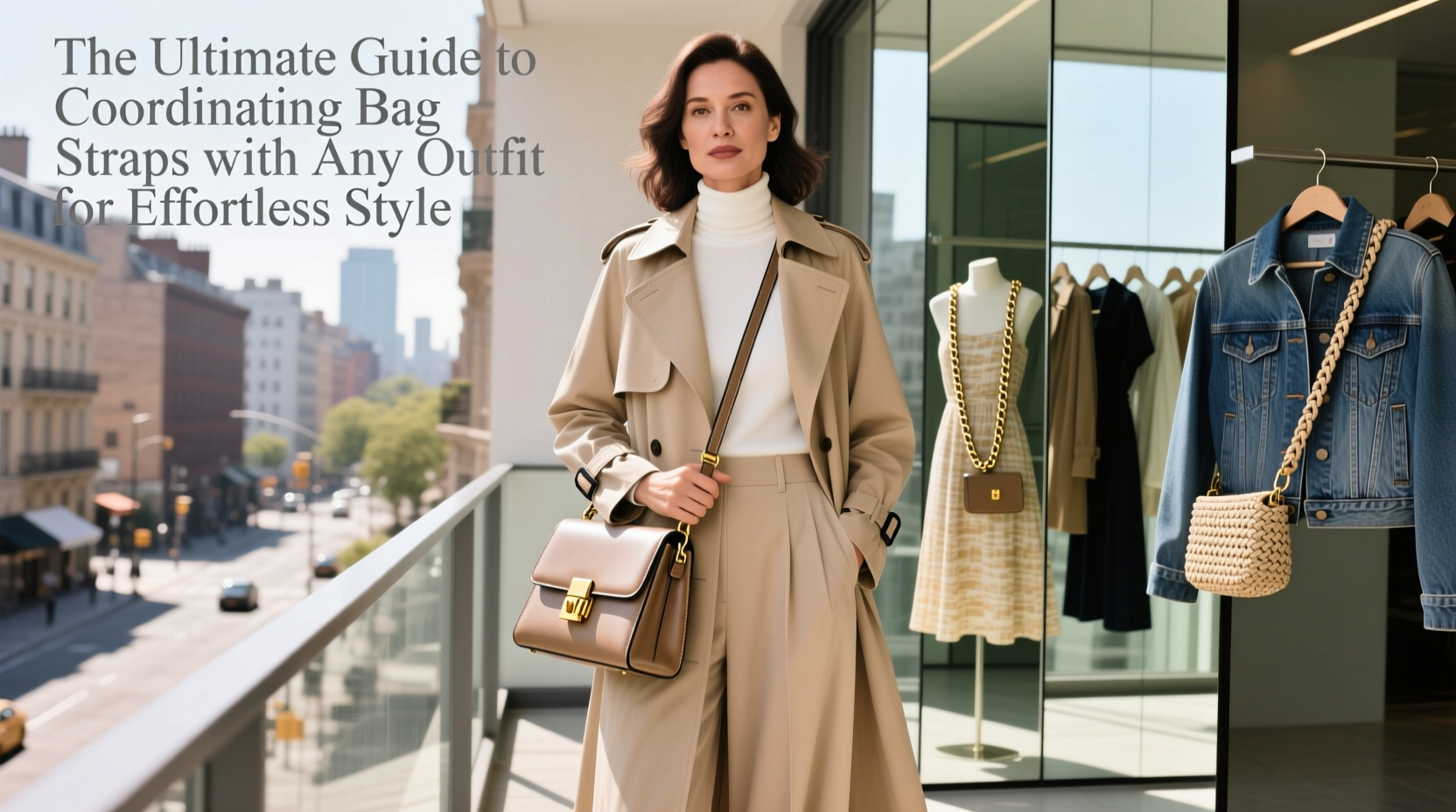
A bag strap functions like jewelry—subtle but impactful. It draws the eye along the body, influencing silhouette and proportion. A metallic chain on a little black dress echoes the shine of earrings; a wide canvas strap grounds a breezy linen outfit; a slim leather crossbody belt subtly defines the waist.
Unlike the bag body, which is often neutral or structured, straps offer creative flexibility. They can introduce contrast, echo a hidden hue in a patterned shirt, or tie together disparate elements in a monochrome look. The key is recognizing the strap as part of the styling equation, not an afterthought.
Tip: When in doubt, match your bag strap to another element in your outfit—shoes, belt, or accessories—for instant cohesion.Color Coordination: Beyond Matching Exactly
Matching a strap to your clothes doesn’t mean finding an identical shade. That can look forced. Instead, aim for tonal harmony or strategic contrast.
- Analogous tones: Pair a cognac leather strap with rust-colored trousers or olive green shoes. These earthy neighbors on the color wheel create warmth and depth.
- Complementary accents: A cobalt blue strap against a mustard yellow coat creates visual interest without clashing, especially when both hues appear elsewhere in moderation.
- Neutral grounding: Black, tan, or silver straps act as anchors. Use them to balance bold prints or vibrant tops.
Consider undertones. A cool gray strap may clash with warm camel outerwear, while a warm taupe will blend seamlessly. Test by holding the bag near your clothing in natural light.
“Straps are the punctuation mark of an outfit. A gold chain says exclamation point; a braided rope whispers period.” — Lena Torres, Stylist & Creative Director at Atelier Mode
Material Matters: Texture and Context
The texture of a strap affects both formality and seasonality. A glossy patent leather strap reads more polished than a matte nylon webbing, even if they’re the same color. Here’s how to align material with context:
| Strap Material | Best For | Avoid With |
|---|---|---|
| Polished Leather | Tailored suits, evening wear, office attire | Rugged denim, athletic wear |
| Fabric/Canvas | Casual daywear, summer dresses, street style | Silk gowns, formal jackets |
| Metal Chain | Cocktail dresses, minimalist looks, night outs | Bulky knits, sporty layers |
| Woven Rope or Rattan | Beachwear, boho outfits, vacation ensembles | Corporate meetings, winter coats |
| Suede or Nubuck | Fall layers, textured knits, earth-tone palettes | Wet weather, minimalist silhouettes |
When mixing textures, maintain a hierarchy. If your outfit features chunky cable knit, opt for a smooth leather strap rather than another textured band. Let one element dominate, and let the strap support it.
Proportion and Silhouette: How Strap Width and Length Influence Style
The physical dimensions of a strap alter how the bag interacts with your body—and thus, your overall aesthetic.
- Thin straps (under 1 inch): Delicate and refined. Ideal for shoulder-carrying small bags. Best with sleek outfits like sheath dresses or tailored blazers. Can dig into shoulders under weight.
- Medium straps (1–2 inches): Versatile and balanced. Comfortable for daily wear. Pairs well with jeans, midi skirts, and workwear.
- Wide straps (over 2 inches): Distribute weight evenly. Make a statement. Work best with oversized silhouettes, trench coats, or relaxed tailoring.
Length also plays a role. A long crossbody strap elongates the torso and works with layered looks. A short handle keeps focus upward, ideal for cropped jackets or high-waisted pants.
Tip: In colder months, choose longer straps to wear over coats. In summer, go shorter to avoid fabric bunching.Seasonal Strategy: Adapting Straps Throughout the Year
Your strap choices should evolve with the seasons—not just for practicality, but for stylistic resonance.
- Spring: Lighten up. Try pastel fabric straps, woven details, or soft metallics. Pair a pale pink strap with a floral dress for a cohesive feminine touch.
- Summer: Embrace texture. Raffia, canvas, and transparent PVC straps feel fresh. Match a turquoise chain strap to beach cover-up trim for playful coordination.
- Fall: Lean into richness. Cognac leather, burgundy suede, or brass chains complement wool coats and turtlenecks.
- Winter: Prioritize durability and contrast. Black leather or padded straps withstand weather. A silver chain can add sparkle against dark outerwear.
A real-world example: Claire, a graphic designer in Portland, struggled with her winter outfits feeling “heavy.” She introduced a vintage-inspired bag with a brushed gold chain strap. Worn over charcoal coats, the metallic detail lifted her look without requiring a full wardrobe change. “It’s like adding glitter to soup,” she said. “Unexpected, but it works.”
Checklist: Mastering Strap Coordination in 5 Steps
Before leaving the house, run through this quick checklist to ensure your strap enhances—not detracts from—your outfit:
- ✅ Does the strap color harmonize with at least one other item in my outfit?
- ✅ Is the material appropriate for the occasion and season?
- ✅ Does the strap width suit my bag size and body proportions?
- ✅ Is the length practical for how I’ll carry it today?
- ✅ Does the strap add intentional detail, or does it clash or look out of place?
Frequently Asked Questions
Can I mix metal finishes between my strap and other jewelry?
Yes, but do so intentionally. Mixing gold and silver can look modern and eclectic, especially if both appear in small doses. However, if your outfit is already busy, stick to one dominant metal tone for cohesion.
What should I do if my favorite bag has a strap that doesn’t match my outfit?
Many bags allow strap swaps. Consider investing in interchangeable straps in neutral or versatile colors. A simple tool or clip system lets you switch in seconds. Alternatively, drape a silk scarf over the strap to camouflage or enhance it.
Are printed or patterned straps ever appropriate?
They can be, when used sparingly. A strap with a subtle logo, tonal stripe, or micro-check can add personality. Avoid loud patterns unless they directly echo something in your clothing—like matching a striped shirt to a navy-and-white braid.
Conclusion: Elevate Your Style One Strap at a Time
Effortless style isn’t born from expensive labels or trend-chasing. It comes from attention to detail—the quiet decisions that signal intention. Coordinating your bag strap is one such decision. It costs nothing but a moment of thought, yet it transforms a good outfit into a polished one.
Start small. Choose one rule—matching your strap to your shoes, or switching materials by season—and apply it consistently. Over time, these choices become instinctive. You’ll reach for your bag not just for function, but as a final stroke of self-expression.
🚀 Ready to refine your everyday look? Reassess your current bag collection, swap one strap, and notice the difference. Share your before-and-after combos in the comments—we’d love to see your style evolution!








