Tweed is more than just fabric—it’s heritage woven into texture. Revered for its durability, warmth, and classic aesthetic, a well-cared-for tweed coat can remain a wardrobe staple for decades. Yet, its rugged charm belies a need for thoughtful maintenance. Unlike synthetic materials, tweed responds poorly to harsh treatment or neglect. Over time, improper care leads to fiber breakdown, fading, moth damage, and loss of structure. The good news? With the right knowledge and routine, you can preserve both the appearance and integrity of your coat for years to come.
Understanding Tweed: Why It Demands Special Care
Tweed is typically made from tightly woven wool, often with natural color variations that give it depth and character. Its texture traps air, making it naturally insulating, while the lanolin in wool provides some water resistance. However, these same qualities make it sensitive to moisture imbalance, heat, and friction. Unlike machine-washable fabrics, tweed requires gentle handling. Aggressive washing shrinks fibers; prolonged dampness encourages mildew; and direct heat can cause brittleness.
The blend also matters. Some modern tweeds include synthetic fibers like polyester for added resilience, but even then, the dominant wool content dictates care. Always check the label, but when in doubt, treat it as 100% wool.
“Tweed isn’t meant to be disposable. It ages gracefully—if you let it.” — Julian Hart, Textile Conservator at the Scottish Wool TrustTip: Never put a tweed coat in the washing machine or dryer. Heat and agitation will felt the wool, ruining the weave.
Step-by-Step Guide to Cleaning Your Tweed Coat
Cleaning tweed isn’t about deep immersion—it’s about precision and prevention. Follow this timeline to keep your coat fresh without compromising its structure.
- After each wear (immediate care): Hang the coat on a broad, padded hanger in a ventilated area for at least 24 hours. This allows moisture and odors to dissipate naturally.
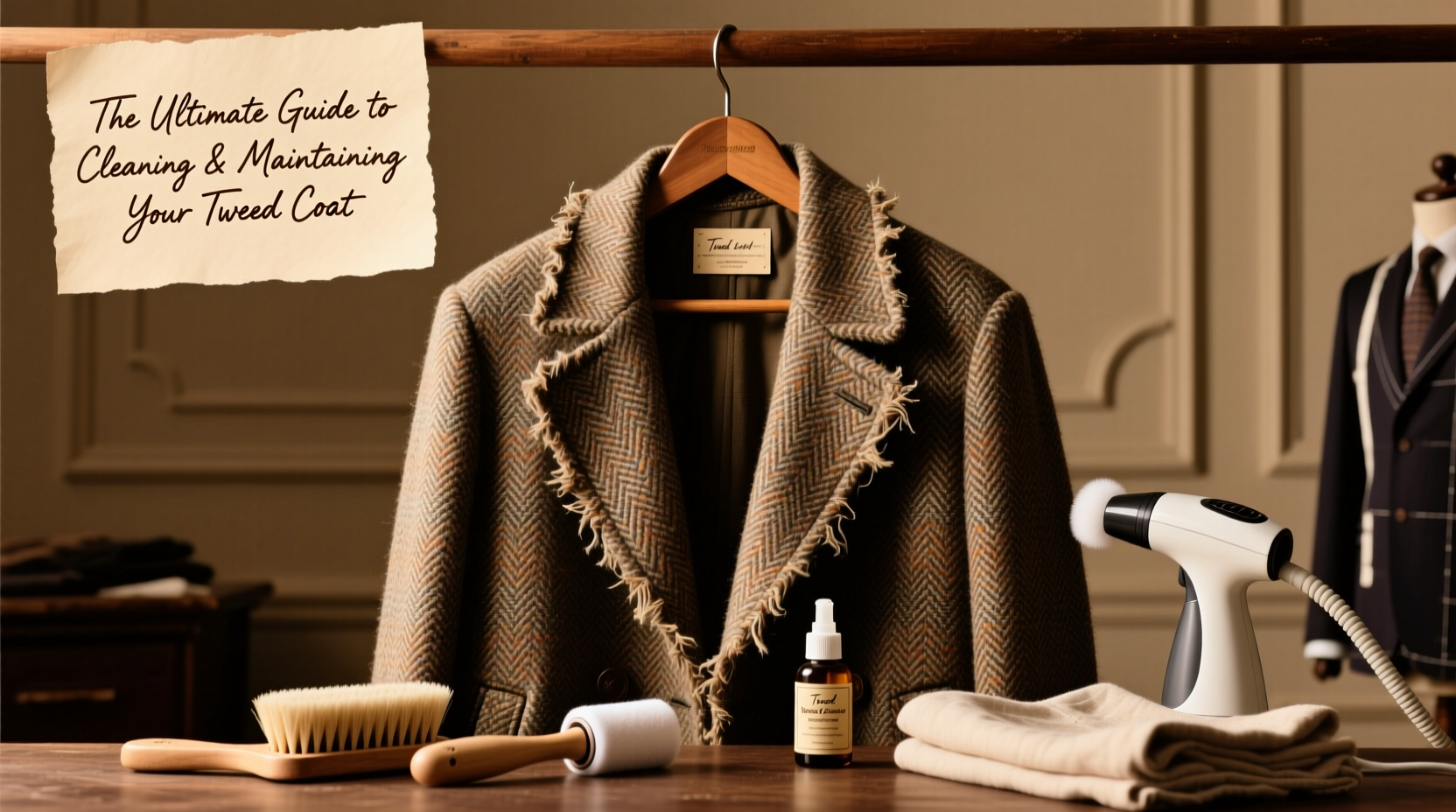
- Weekly brushing: Use a soft clothes brush (preferably with natural bristles) and stroke gently in the direction of the weave. This removes surface dust, prevents pilling, and restores loft.
- Spot treatment (as needed): For minor stains—like coffee or mud—dab with a slightly damp microfiber cloth. Avoid rubbing. Let dry completely before brushing.
- Deep cleaning (every 1–2 years): Only when visibly soiled or odorous. Opt for professional dry cleaning using a solvent safe for wool. Inform the cleaner it’s tweed to avoid steam overexposure.
- Post-cleaning rest: After dry cleaning, hang the coat for 48 hours before wearing. This allows residual solvents to off-gas and fibers to re-stabilize.
Avoid These Common Cleaning Mistakes
| Action | Why It’s Harmful | Better Alternative |
|---|---|---|
| Machine washing | Causes felting, shrinkage, and distortion | Professional dry cleaning only |
| Using household stain removers | Chemicals degrade wool fibers and strip lanolin | Damp cloth dabbing or wool-safe spot cleaner |
| Hanging in direct sunlight | Fades colors and weakens fibers | Ventilated, shaded closet |
| Storing in plastic bags | Traps moisture, promotes mildew and moths | Breathable cotton garment bag |
Storage Strategies for Long-Term Preservation
How you store your tweed coat between seasons determines whether it emerges ready to wear—or riddled with holes. Moths are the greatest threat, drawn to the keratin in wool. But humidity, compression, and light exposure also take a toll.
- Always clean the coat before storing. Residual sweat or food particles attract pests.
- Use cedar blocks or lavender sachets instead of chemical mothballs, which leave a strong odor and can discolor fabric.
- Store on a wide wooden or padded hanger inside a breathable cotton garment bag.
- Avoid attics and basements. Choose a cool, dry closet with consistent temperature.
- Check every 6–8 weeks for signs of moths or mildew.
Mini Case Study: Reviving a Heirloom Harris Tweed Coat
Thomas Reed inherited his grandfather’s 1950s Harris Tweed overcoat—beautiful in cut but musty and lightly moth-damaged at the shoulders. Instead of discarding it, he followed a careful restoration process. First, he aired it outside for two days in autumn shade. Then, he brushed it thoroughly and took it to a specialist dry cleaner familiar with vintage wool. After cleaning, a tailor repaired minor lining tears and reinforced shoulder pads. Thomas now stores it in a linen suit bag with cedar rings and wears it several times each winter. Ten years later, it remains in excellent condition—proof that patience and proper care breathe new life into old garments.
Maintenance Checklist: Monthly & Seasonal Tasks
To stay ahead of wear and environmental damage, follow this practical checklist:
Monthly Maintenance
- Brush coat thoroughly with a clothes brush
- Inspect for loose threads, stains, or insect activity
- Wipe buttons with a dry cloth to prevent grime buildup
- Rotate storage position if hanging long-term
End-of-Season Routine
- Dry clean or air thoroughly
- Repair any fasteners or lining issues
- Place in breathable garment bag
- Add natural repellents (cedar, lavender)
- Store in climate-stable area away from light
FAQ: Common Questions About Tweed Coat Care
Can I steam my tweed coat to remove wrinkles?
Light steaming from a distance of at least 6 inches is acceptable, but never apply direct steam or press with a hot iron. Excess moisture causes shrinkage. Instead, hang the coat in a steamy bathroom for 10–15 minutes to relax creases.
What should I do if I find moth holes?
Isolate the coat immediately. Freeze it in a sealed bag for 72 hours to kill larvae, then have it professionally repaired. Post-treatment, clean the storage area and use natural deterrents to prevent recurrence.
How can I tell if my tweed needs professional attention?
If the fabric feels brittle, shows large areas of pilling, has persistent odors, or exhibits uneven color fading, consult a textile conservator or heritage clothing specialist. Early intervention can save irreplaceable pieces.
Conclusion: Honor the Craft, Extend the Life
A tweed coat is not merely an item of clothing—it’s a testament to craftsmanship, tradition, and personal style. Its value grows with age, provided it’s treated with respect. By integrating simple habits like regular brushing, mindful storage, and selective professional care, you ensure that your coat remains functional, elegant, and enduring. Whether it’s a modern purchase or a family heirloom, every brush stroke and careful fold contributes to its legacy.
💬 Have a tweed coat story or care tip? Share your experience in the comments and help others preserve their timeless style.