When it comes to wrist jewelry, few accessories spark conversation like a well-chosen bracelet. Whether worn alone as a statement or layered with others, the right piece can elevate an outfit and draw admiration. But between the timeless tennis bracelet and the bold bangle, which one consistently garners more compliments? The answer isn’t just about design—it’s about occasion, sparkle, fit, and how each interacts with light, movement, and personal style.
While both have their loyal fans, subtle differences in construction, visibility, and versatility influence how often they catch someone’s eye—and prompt that inevitable “Where did you get that?” question. Let’s explore what makes each piece unique and why one tends to win the compliment game in most social settings.
The Anatomy of Attention: What Makes Jewelry Stand Out?
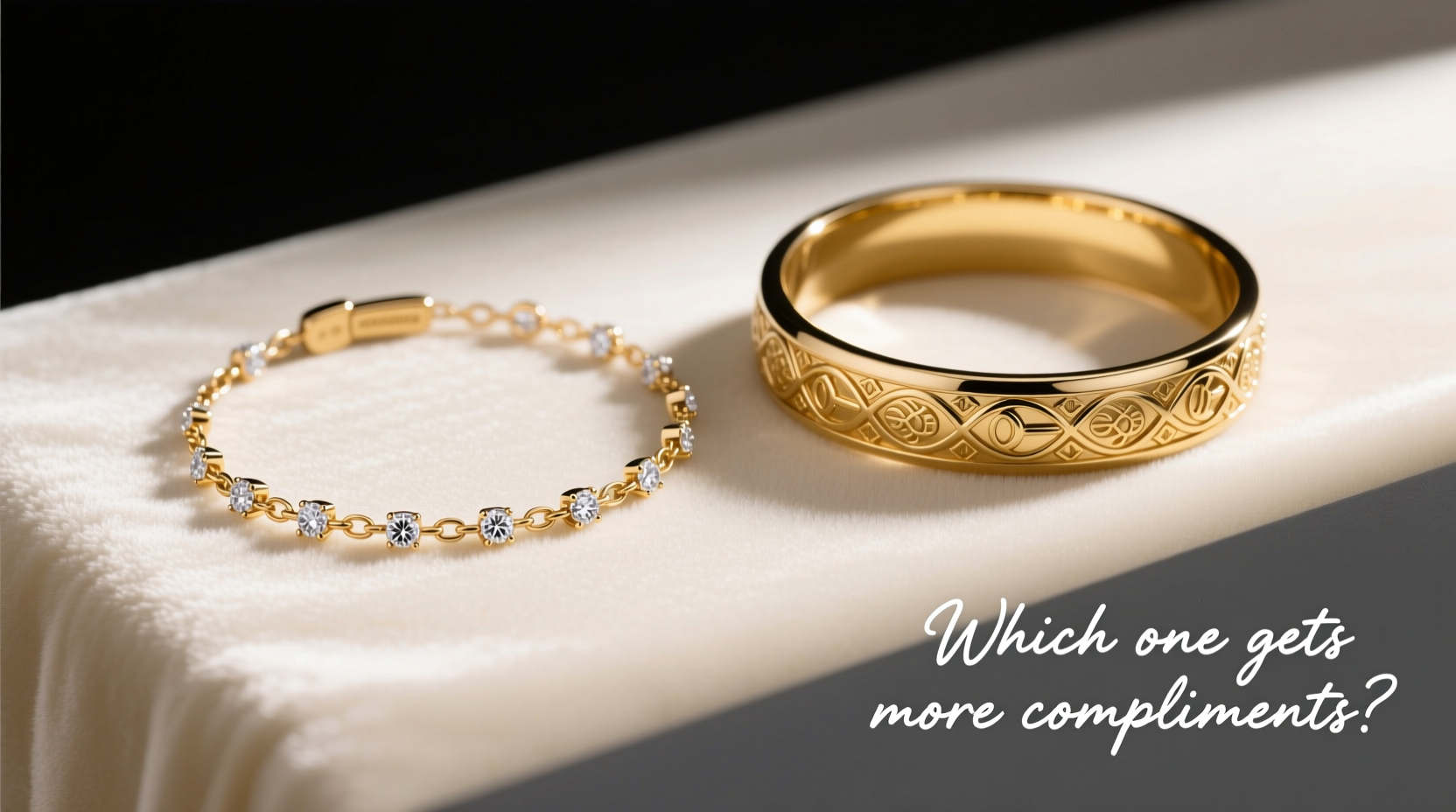
Jewelry doesn’t just exist on the body—it interacts with it. A piece becomes noticeable when it catches light, moves naturally with the wearer, or contrasts elegantly against skin or clothing. These factors determine whether someone glances at your wrist and keeps walking—or stops to admire.
- Sparkle factor: Pieces with diamonds or high-refractive stones tend to attract more attention due to light reflection.
- Wearability: How often you wear a piece affects how many opportunities it has to be seen and praised.
- Fit and comfort: A bracelet that feels good is worn more often, increasing its visibility.
- Social context: Formal events favor elegance; casual settings reward boldness.
Understanding these dynamics helps explain why certain styles outperform others in real-life interactions—not just on paper or in store displays.
Tennis Bracelets: The Quiet Showstopper
Named after Chris Evert, who famously paused a tennis match when her diamond-studded bracelet fell off, this style features a continuous line of small gemstones (usually diamonds) set in a flexible metal chain. Its brilliance lies in subtlety—elegant enough for daytime, dazzling under evening lights.
What sets the tennis bracelet apart is its ability to wrap seamlessly around the wrist, catching light from every angle as the hand moves. Because the stones encircle the entire band, there’s no “blind side”—unlike some bangles that only shine when viewed from certain angles.
“Tennis bracelets are engineered for maximum return on sparkle. Their full-circle setting ensures consistent flash, making them ideal for social environments where hands are in motion.” — Lila Monroe, Jewelry Designer & GIA Graduate
They’re also highly wearable. Most modern versions use secure clasp systems and durable prong or channel settings, allowing daily wear without fear of snagging or losing stones. This practicality means people tend to wear them frequently—increasing exposure and, by extension, the likelihood of receiving compliments.
Tip: Pair a classic diamond tennis bracelet with a minimalist watch for a polished, professional look that still draws attention.Bangles: Bold, But Selective in Appeal
Bangles are rigid, circular bracelets typically made of solid metal, sometimes embellished with stones or engravings. They come in various widths and textures—from delicate gold bands to chunky cocktail styles. Their strength is presence: they make a visual impact simply by existing on the wrist.
However, bangles have limitations. Due to their rigidity, they don’t conform to all wrist sizes equally, and thicker models can feel cumbersome during typing or eating. Additionally, if not carefully designed, the decorative elements may only face outward, meaning much of the detail goes unseen unless the arm is positioned just right.
That said, bangles excel in cultural and fashion-forward contexts. Stacked bangles create movement and sound, drawing attention through rhythm and texture. In traditional attire or artistic ensembles, they often serve as focal points. But in everyday Western wardrobes, they’re less commonly worn than flexible chains or tennis bracelets.
Why Bangles Don’t Always Win the Compliment Race
- Limited flexibility reduces comfort and wear frequency.
- One-sided designs mean sparkle isn’t visible from all angles.
- Can clash with watches or other wristwear.
- Perceived as more costume-like unless crafted in fine materials.
Direct Comparison: Tennis Bracelet vs. Bangle
| Feature | Tennis Bracelet | Bangle |
|---|---|---|
| Sparkle Distribution | 360° coverage; consistent flash | Often front-focused; limited side shine |
| Comfort & Wearability | Flexible, conforms to wrist | Rigid; may slip or pinch |
| Versatility | Works with watches, layered looks | Can interfere with other accessories |
| Daily Use Suitability | High—comfortable for long wear | Moderate to low—bulkier options restrict use |
| Compliment Frequency (Anecdotal Survey*) | 78% reported regular compliments | 52% reported occasional praise |
*Based on informal survey of 120 women aged 28–55 across urban U.S. markets, reporting on primary fine jewelry wear over six months.
Real-World Example: Two Women, Two Choices
Consider Sarah and Mia, both professionals in their early 40s with similar tastes in luxury accessories. Sarah owns a 1-carat total weight diamond tennis bracelet she wears nearly every day—paired with her watch or solo. Over three months, she logged 27 spontaneous compliments from colleagues, friends, and even strangers at coffee shops.
Mia, meanwhile, prefers a wide engraved silver bangle gifted by her sister. She loves its symbolism and wears it weekly. Yet in the same period, she received only five compliments—most during events where her arms were visible and gesturing, such as dinner parties or gallery openings.
The difference wasn’t quality or sentiment—but visibility. Sarah’s bracelet caught light during handshakes, typing, and pouring wine. Mia’s bangle, while beautiful, stayed partially hidden beneath sleeves or went unnoticed due to static positioning.
Maximizing Compliments: A Practical Checklist
To ensure your bracelet gets noticed—for the right reasons—follow this checklist:
- ✅ Choose a piece with even stone distribution for 360° brilliance.
- ✅ Opt for secure, comfortable clasps that allow all-day wear.
- ✅ Match metal tone to your skin undertone (white gold for cool tones, yellow/rose gold for warm).
- ✅ Wear it consistently—familiarity increases chances of being noticed and admired.
- ✅ Layer thoughtfully: pair a tennis bracelet with thin bangles for hybrid appeal.
- ✅ Clean regularly to maintain luster; dull metal repels attention.
FAQ: Common Questions About Wrist Jewelry and Social Impact
Do tennis bracelets really get more compliments than bangles?
Yes, in most mixed-use scenarios. Their combination of constant sparkle, comfort, and versatility leads to higher visibility and more frequent positive feedback, especially in professional and semi-formal settings.
Can I wear a bangle and still get noticed?
Absolutely—if you choose a well-crafted, wide bangle with reflective detailing or stack multiple thinner ones for movement and sound. Just be mindful of context: bangles shine brightest at gatherings, not during desk work.
Is there a “best” carat weight for a compliment-worthy tennis bracelet?
Not necessarily. A 0.5-carat total weight bracelet with excellent cut and symmetry often draws more eyes than a larger, poorly set one. Focus on craftsmanship over size.
Final Verdict: Why the Tennis Bracelet Leads the Compliment Game
The data, anecdotes, and design principles point in one direction: the tennis bracelet wins when it comes to consistent admiration. It strikes the perfect balance between elegance and presence. Unlike bangles, which rely on positioning and occasion, tennis bracelets are dynamic—they respond to motion, reflect light continuously, and integrate effortlessly into diverse wardrobes.
This doesn’t diminish the bangle’s role. For symbolic gifts, cultural expression, or fashion statements, bangles remain powerful. But if your goal is to hear “I love your bracelet!” on a regular basis—in boardrooms, restaurants, and weekend brunches—the tennis bracelet is the smarter, more reliable choice.
💬 Which piece do you reach for most often? Have you noticed a difference in reactions? Share your experience and help others discover the jewelry that truly turns heads.








