A bag is more than just a functional accessory—it's a statement. But what many overlook is how a simple detail like a keychain can elevate or disrupt that statement. The right keychain doesn’t just hold your keys; it harmonizes with your bag’s design, enhances its aesthetic, and reflects your personal style. Whether you carry a structured leather tote, a minimalist crossbody, or a bold designer piece, pairing it with the ideal keychain turns an everyday object into a curated accent.
Yet, too often, keychains are chosen at random: a souvenir from a trip, a promotional giveaway, or something purely utilitarian. While these have their place, they rarely contribute to a cohesive look. Thoughtful pairing requires attention to proportion, material, color, and even sound. When done well, a keychain becomes the subtle punctuation mark at the end of a well-composed sentence.
Understand the Role of Proportion and Weight
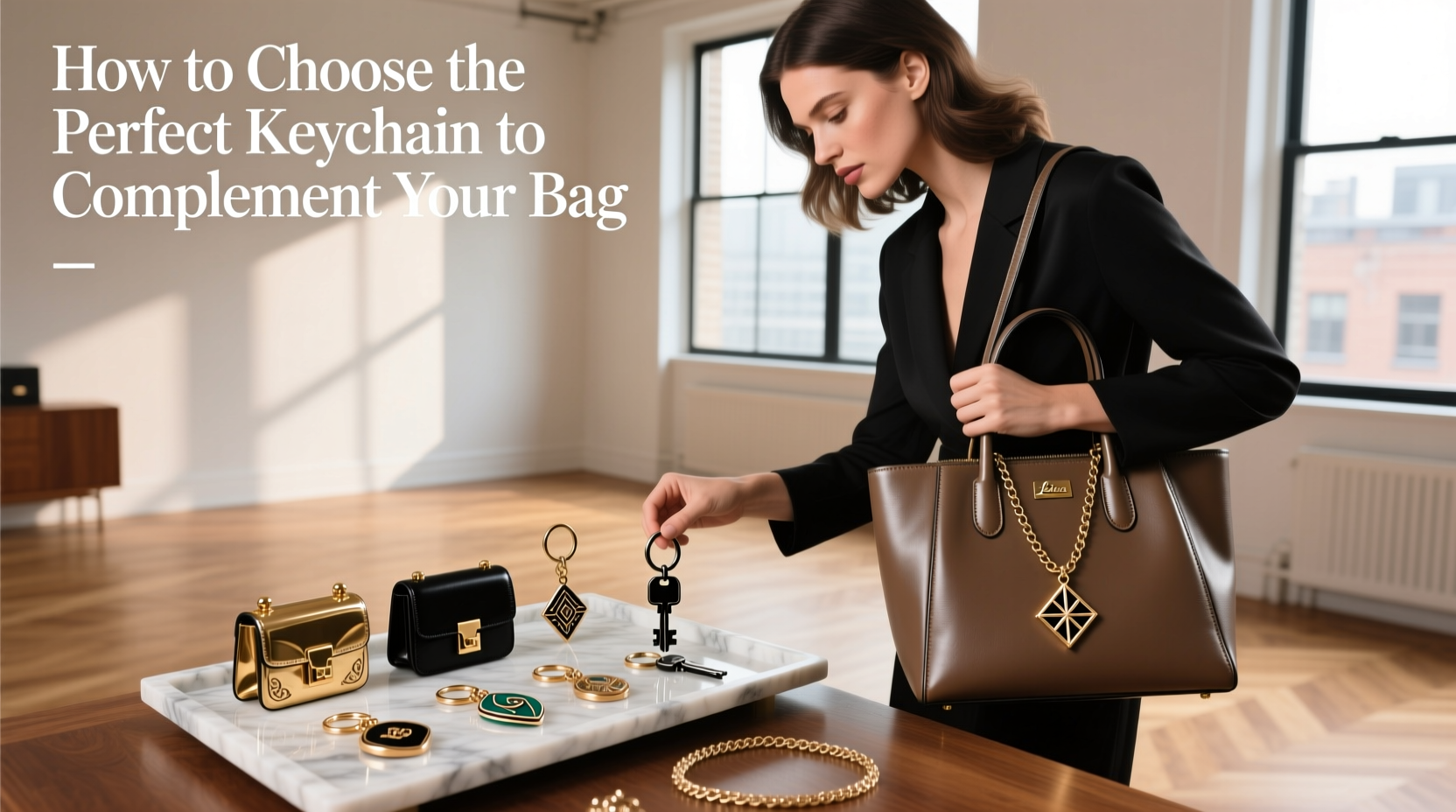
The size and weight of your keychain should align with the scale of your bag. A bulky metal charm on a delicate silk clutch will look out of place, just as a tiny enamel tag might get lost on a large duffel. Aim for balance: the keychain should be noticeable but not overwhelming.
Consider this rule of thumb: if your bag is small or lightweight (under 10 inches in height), opt for a compact keychain no larger than 2–3 inches. For medium to large bags, you can go bolder—up to 4 inches—with slightly heavier materials like brass or wood, provided the hardware on the bag can support the added strain.
Tip: Test the swing—attach the keychain and gently move the bag. If it tilts or swings awkwardly, the weight is likely too much.Match Materials for a Cohesive Look
Material harmony is one of the most effective ways to create a polished appearance. Your keychain should echo at least one element of your bag’s construction or hardware. For example:
- Leather bags: Choose a keychain with a leather strap, tassel, or wrap. A matte-finish metal charm in brushed gold or silver complements without clashing.
- Cotton canvas: Linen cords, wooden beads, or fabric-covered tags add texture without overpowering.
- Exotic skins (snakeskin, crocodile): Keep it minimal—small metallic accents in matching finishes work best.
- Metallic or patent bags: Reflective or polished keychains can enhance the shine, but avoid competing textures that create visual noise.
Avoid mixing too many finishes. If your bag has silver-toned zippers and studs, stick to silver or gunmetal keychains. Gold hardware? Then warm-toned metals like brass or rose gold are ideal.
Color Coordination: Subtlety Over Saturation
Color plays a supporting role. Rather than matching exactly, aim for tonal resonance. A deep burgundy keychain can beautifully complement a cognac leather bag by introducing contrast while staying within a warm palette. Alternatively, a neutral keychain—black, tan, or brushed metal—offers timeless versatility.
If your bag features a signature color (like a red lining or colored stitching), consider a keychain that picks up that accent. This creates a sense of intentionality. However, avoid overly bright or cartoonish colors unless your style leans playful and maximalist.
| Bag Color | Recommended Keychain Colors | Colors to Avoid |
|---|---|---|
| Black | Silver, charcoal, deep red, navy | Bright yellow, neon green |
| Tan/Cream | Brass, camel, olive, terracotta | Electric blue, hot pink |
| Navy | Gold, cream, burgundy, white | Lime green, silver (unless bag hardware matches) |
| Red | Black, gold, cream, forest green | Purple, orange (unless intentional contrast) |
Personality and Purpose: Style with Intention
Your keychain is a small canvas for self-expression. Are you drawn to minimalist elegance, vintage charm, or artisan craftsmanship? Let your choice reflect that.
For professionals, a sleek engraved bar or monogrammed leather tag adds sophistication without distraction. Creatives might prefer hand-carved wood, ceramic pendants, or custom resin pieces. Travel enthusiasts could incorporate a tiny compass, world map charm, or a token from a meaningful destination.
“Accessories are where identity meets utility. A keychain should feel personal—but never clutter the story your bag tells.” — Lena Torres, Fashion Stylist & Editor-at-Large, *Style Edit* Magazine
However, avoid over-accessorizing. One standout keychain is enough. Multiple charms or dangling elements can tangle, scratch your bag’s surface, or make retrieving keys frustrating.
Step-by-Step Guide to Choosing Your Perfect Keychain
Follow this five-step process to ensure your selection enhances both function and fashion:
- Assess your bag’s dominant traits: Note the color, material, hardware finish, and overall vibe (e.g., classic, edgy, bohemian).
- Determine your usage: Is this a daily bag? Occasional use? High-wear bags need durable, low-maintenance keychains.
- Select a complementary material: Match or thoughtfully contrast with the bag’s texture (leather, metal, fabric).
- Choose a color tone: Use the table above or pull a secondary hue from the bag’s design (stitching, lining, logo).
- Test in person: Attach the keychain and walk with the bag. Does it sway naturally? Does it draw attention in a good way?
Mini Case Study: Elevating a Classic Tote
Sophie, a graphic designer in Portland, owned a well-loved black leather tote she used daily. While functional, it felt generic. She replaced her chunky novelty keychain with a slim, brushed brass rectangle engraved with her initials, attached via a thin black leather loop.
The change was subtle but transformative. Colleagues noticed the refinement. “It looked expensive,” she said, “even though the keychain cost under $30. It made the whole bag feel intentional.”
This shift didn’t alter the bag’s function—but it elevated its presence. Sophie now rotates keychains seasonally: a woven tassel in summer, a matte black acrylic tag in winter—each selected to match her evolving wardrobe and mood.
Checklist: Before You Buy
- ✅ Matches the bag’s hardware finish (silver, gold, antique)
- ✅ Proportional to the bag’s size and structure
- ✅ Made from quality materials (no peeling paint or weak clasps)
- ✅ Complements rather than clashes with the bag’s color
- ✅ Doesn’t interfere with zipper pulls or straps
- ✅ Reflects your personal style without being gimmicky
- ✅ Easy to remove for cleaning or switching bags
Frequently Asked Questions
Can a keychain damage my bag over time?
Yes, especially if it’s heavy or has sharp edges. Constant friction can scratch leather or weaken stitching near attachment points. Rotate keychains periodically and avoid oversized or jagged designs on delicate bags.
Should I match my keychain to my other accessories?
Ideally, yes. Coordinating with watch bands, jewelry, or shoe hardware creates a unified aesthetic. For example, a rose gold keychain pairs beautifully with rose gold watches or eyeglass frames.
Are branded keychains a good idea?
Only if the brand aligns with your bag’s prestige and style. A discreet logo charm on a matching luxury bag can reinforce authenticity. But loud, oversized branded tags on non-designer bags often appear mismatched or try-hard.
Final Thoughts: The Power of the Small Detail
In fashion, mastery lies in the details. A perfectly paired keychain is not about extravagance—it’s about alignment. It shows that you care not just about what you carry, but how you carry it. It’s the quiet confidence of knowing your look is considered from top to bottom, inside and out.
🚀 Ready to refine your style? Take 10 minutes this week to evaluate your current keychain. Does it serve your bag—or distract from it? Swap it for something that resonates, and notice how such a small change can make your entire ensemble feel more complete.