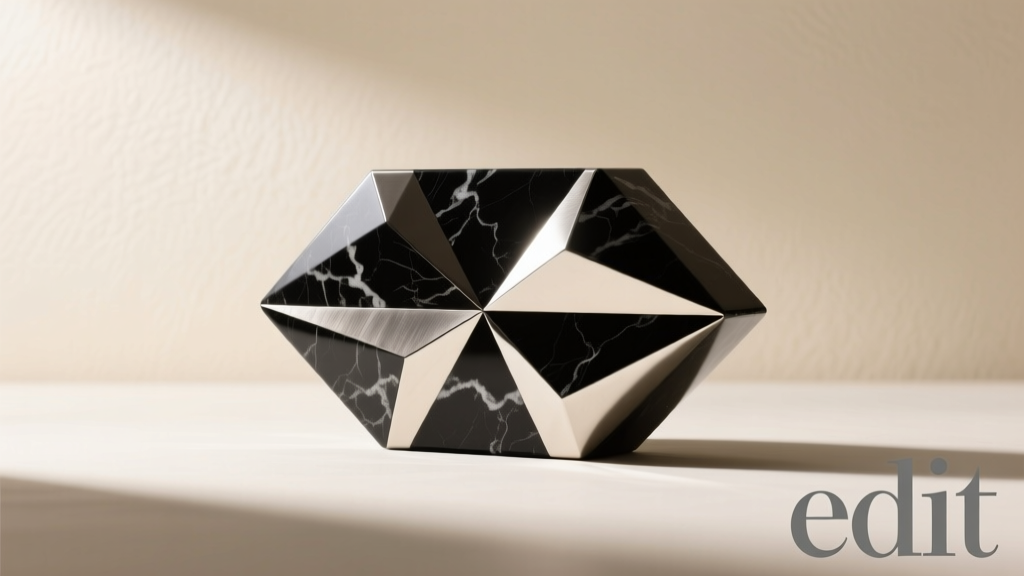
Jewelry has long served as a form of self-expression, cultural identity, and social signaling. In today’s fashion landscape, two dominant styles stand out: statement jewelry and minimalist designs. One commands attention with bold shapes, vibrant colors, and dramatic scale; the other whispers elegance through clean lines, subtle details, and refined simplicity. But when it comes to accessorizing, does bigger truly mean better? The answer isn’t universal—it depends on context, personality, and intention.
The choice between statement and minimalist jewelry isn't just about aesthetics. It reflects lifestyle, values, and even practical needs. Understanding the strengths and limitations of each style allows for more intentional choices—ones that enhance your look without overpowering it.
The Allure of Statement Jewelry
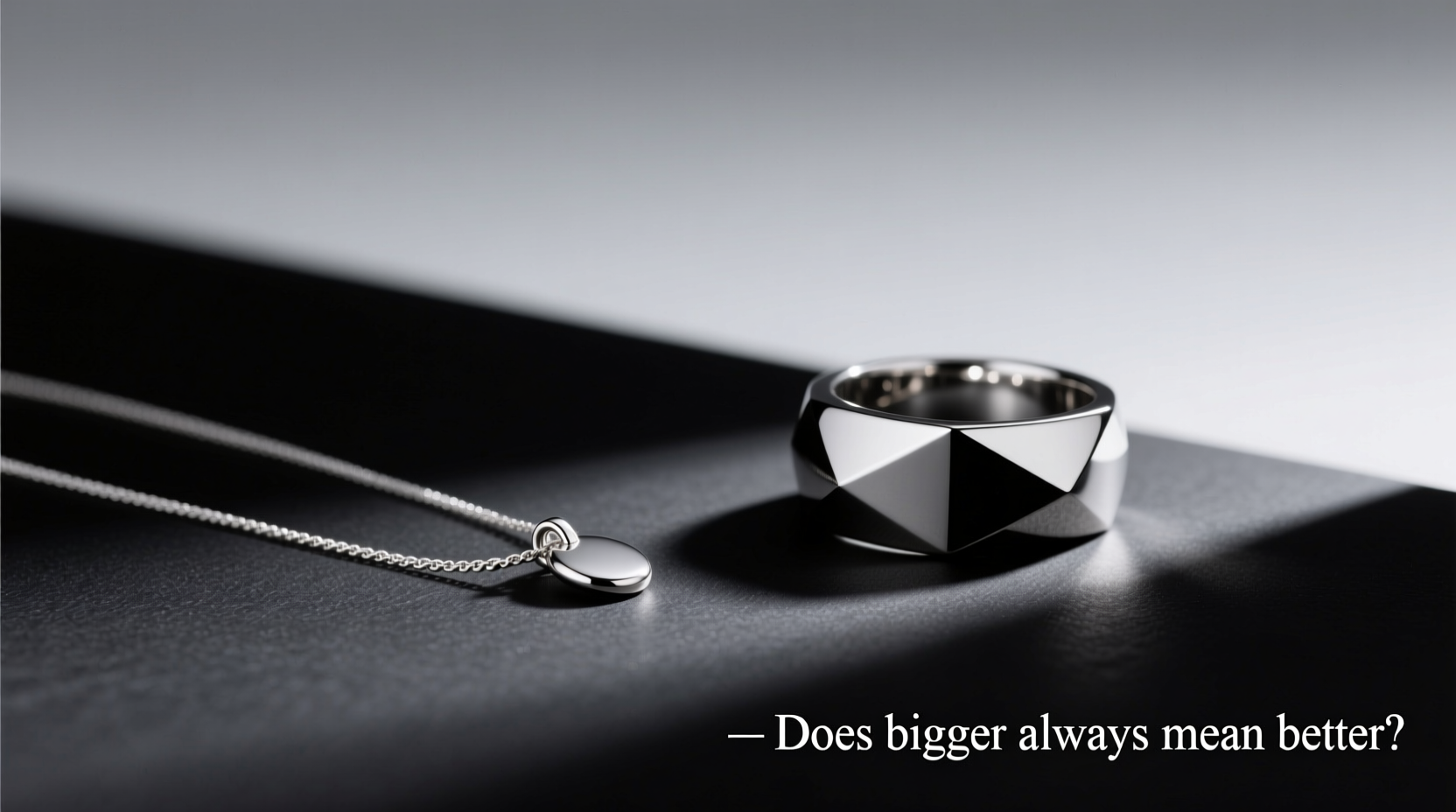
Statement pieces are designed to be seen. Whether it's oversized earrings, chunky necklaces, or sculptural rings, these accessories dominate an outfit. They often serve as the focal point of a look, reducing the need for additional embellishments.
Designers like Elsa Peretti and Alexander McQueen have pushed boundaries by treating jewelry as wearable art. These pieces thrive in settings where individuality is celebrated—art openings, fashion events, or creative workplaces. When styled correctly, a single statement piece can elevate a simple black dress into something unforgettable.
Tip: Pair one bold jewelry piece with neutral clothing to let it shine—avoid competing patterns or multiple large accessories.However, statement jewelry demands confidence and balance. Overuse can tip into costume territory, especially if worn daily without consideration for proportion or setting. A 3-inch chandelier earring might dazzle at a gala but feel out of place during a job interview or casual brunch.
The Quiet Power of Minimalist Jewelry
In contrast, minimalist jewelry embraces restraint. Think delicate chains, thin bands, small studs, or barely-there bracelets. These pieces prioritize craftsmanship over spectacle, often made from high-quality materials like solid gold, platinum, or ethically sourced gemstones.
Minimalism aligns with slow fashion principles—timeless design, durability, and versatility. A well-chosen minimalist ring or pendant can transition seamlessly from morning meetings to evening dinners. It’s the kind of jewelry you forget you’re wearing because it feels so natural.
“Minimalist jewelry speaks to permanence. It’s not about trends; it’s about presence.” — Lena Torres, Contemporary Jewelry Designer
This subtlety doesn’t equate to insignificance. On the contrary, minimalism requires precision. The absence of excess means every curve, clasp, and finish must be flawless. A poorly made thin chain will break easily, undermining both function and value.
Comparing Styles: Context Is Everything
Neither approach is inherently superior. Their effectiveness hinges on context—occasion, wardrobe, body type, and personal brand.
| Factor | Statement Jewelry | Minimalist Jewelry |
|---|---|---|
| Best For | Special events, photo shoots, expressive moments | Daily wear, professional environments, layered looks |
| Lifespan | Often trend-dependent; may go out of style | Timeless; often passed down generations |
| Maintenance | Higher—prone to snagging, damage, storage challenges | Lower—but delicate pieces require gentle handling |
| Versatility | Low—specific pairings needed | High—mixes easily with other pieces |
| Cost Efficiency | Can be high per wear if rarely used | High—frequent use increases value per wear |
Consider someone attending a wedding. A bold cuff bracelet might complement a sleek jumpsuit perfectly, becoming part of the celebration’s energy. Meanwhile, a lawyer heading to court might opt for a slim watch and small pearl studs—professional, polished, and unobtrusive.
Mini Case Study: Two Women, Two Approaches
Sophie, a graphic designer in her early 30s, leans toward statement jewelry. Her signature look includes geometric earrings and layered necklaces featuring mixed metals. At client presentations, she uses these pieces to convey creativity and confidence. Colleagues often comment on her “distinctive style,” which helps her stand out in a competitive field.
On the other hand, Amara, a corporate strategist, wears almost exclusively minimalist jewelry. Her collection consists of a diamond solitaire necklace, thin gold hoops, and a classic Cartier-style bangle. She values discretion and consistency. “My work is about data and logic,” she says. “I don’t want people remembering my earrings instead of my proposal.”
Both women express themselves authentically—one through volume, the other through silence. Neither is wrong. Their choices reflect different relationships with visibility and identity.
How to Build a Balanced Jewelry Wardrobe
Rather than choosing sides, many people benefit from embracing both styles. A thoughtful jewelry collection accommodates variety in life’s rhythms. Here’s how to curate one:
- Assess Your Lifestyle: How often do you attend formal events versus daily office work?
- Start With Staples: Invest in 2–3 high-quality minimalist basics (e.g., studs, fine chain).
- Add One Statement Piece Seasonally: Choose based on current trends or personal milestones.
- Practice Layering: Combine dainty chains with a single bold pendant for dimension.
- Evaluate Wear Frequency: Track what you actually reach for; donate or sell unused items.
Frequently Asked Questions
Can I wear statement jewelry to work?
Yes, depending on your workplace culture. In creative industries, bold accessories are often welcomed. In conservative fields, limit size and flash. Opt for structured designs over overly colorful or dangling pieces.
Is minimalist jewelry more expensive?
Not necessarily. While luxury minimalism (like solid gold pieces) can be costly, many affordable options exist. Conversely, some statement jewelry uses lightweight alloys or resin, making it cheaper despite its size.
How do I know which style suits me?
Pay attention to what makes you feel confident. Try both styles in front of a mirror with outfits you typically wear. Notice which enhances your presence without distracting from your face or message.
The Value of Intentional Accessorizing
Ultimately, the debate isn’t about size—it’s about purpose. Jewelry should serve you, not the other way around. A tiny diamond accent can carry deep emotional weight, while a massive cocktail ring might simply be fun for a night out.
Modern consumers are increasingly rejecting the idea that more is better. Instead, they seek meaning, sustainability, and alignment with personal values. This shift favors quality over quantity, experience over excess.
“We’re moving away from jewelry as decoration and toward jewelry as extension of self.” — Rajiv Mehta, Fashion Anthropologist
Whether you choose a whisper or a shout, the key is coherence. Your accessories should harmonize with your voice, your clothes, and your intentions. There’s no rulebook—only awareness.
Conclusion
Bigger doesn’t always mean better. Statement jewelry captivates and empowers in the right moments, while minimalist designs offer enduring grace and quiet strength. The most stylish people aren’t those who follow trends, but those who understand themselves deeply enough to choose what resonates.
Take stock of your collection. What stories do your pieces tell? Are they aligned with who you are today—not who you were, or who you think you should be? Curate with care, wear with intention, and remember: true elegance lies not in volume, but in authenticity.
💬 What’s your go-to jewelry style—and why? Share your thoughts and help build a conversation about conscious accessorizing.








