
Choosing the right Apple Watch band isn’t just about color or material—it’s also about fit, proportion, and personal preference. While Apple offers bands in both slim and wide profiles across various styles, many users wonder: does the width actually matter beyond aesthetics? The answer is yes. Band width influences comfort, durability, visual balance, and even usability depending on your wrist size, lifestyle, and activity level. Understanding these differences can help you make a more informed decision when customizing your wearable experience.
Understanding Apple Watch Band Width Options
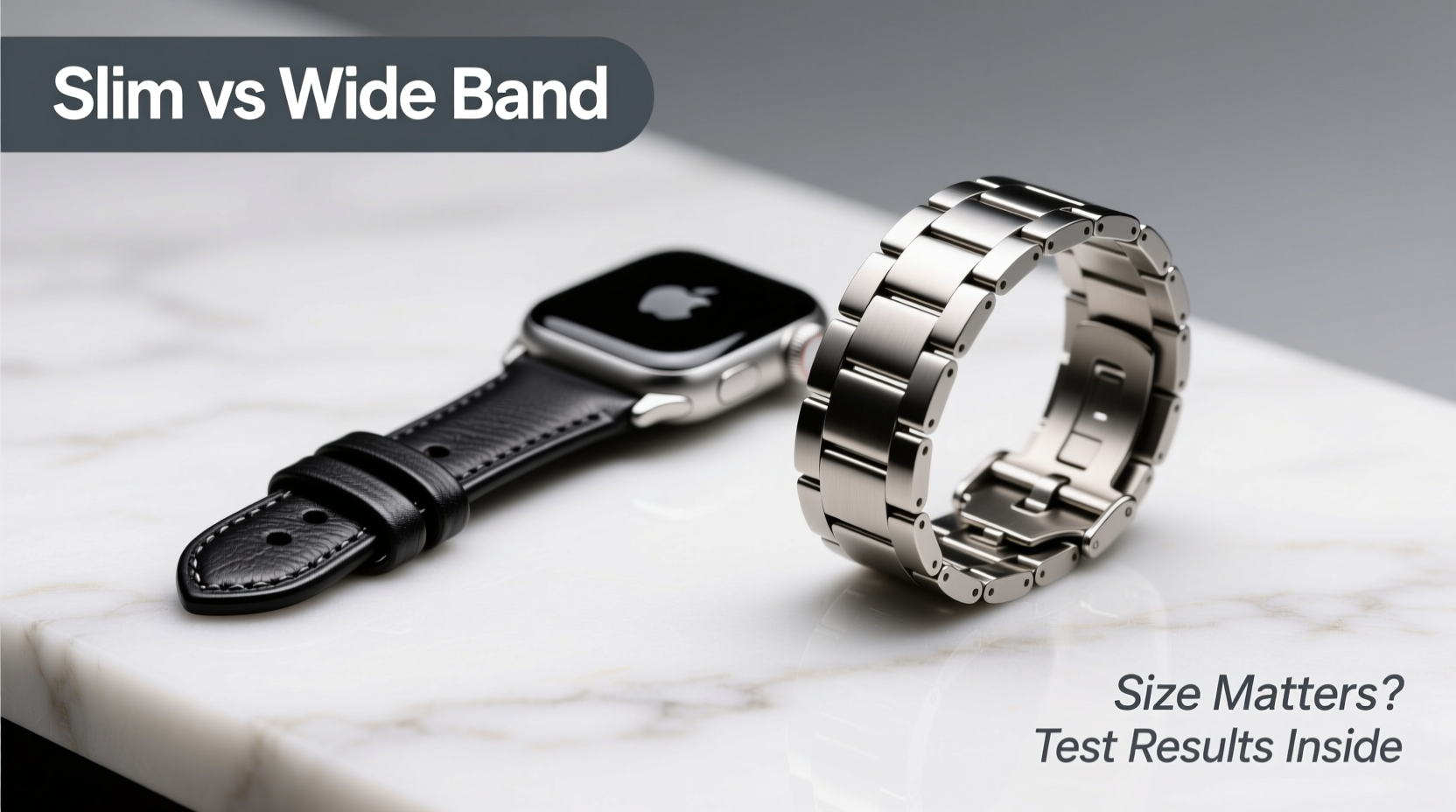
Apple categorizes its bands into two primary widths: 42mm/45mm (wider) and 38mm/41mm (slimmer). These dimensions correspond to the case sizes of different Apple Watch models. However, third-party manufacturers often label bands as “slim” or “wide” based on design rather than strict compatibility. A slim band typically measures around 20–22mm at the lug attachment, while wide bands range from 24–26mm. This subtle difference significantly impacts how the watch sits on your wrist.
The wider band provides more surface area for securing the watch, which can enhance stability during physical activity. Slim bands, on the other hand, offer a sleeker, more minimalist profile that appeals to those seeking a refined, dressy look. But beyond appearance, several functional factors come into play.
Tip: Always verify compatibility with your specific Apple Watch model—band width must match your watch case size for proper attachment.Comfort and Fit: How Width Affects Wearability
Wrist anatomy varies greatly between individuals. Those with smaller wrists may find wide bands overwhelming or uncomfortable, especially if the band extends past the edges of the watch case. For someone with a 6-inch wrist circumference, a wide band might feel bulky and restrict movement. Conversely, users with larger wrists (7 inches or more) often benefit from the added support and balanced proportions of a wider strap.
Material also interacts with width to influence comfort. A wide nylon band may distribute pressure more evenly across the wrist, reducing hotspots during long-term wear. In contrast, a slim leather band may crease faster due to concentrated stress along narrower contact points. Silicone bands follow a similar pattern: wider options tend to stay flatter against the skin, minimizing twisting during workouts.
“Band width should complement not only the watch but also the user’s physiology. Proportionality is key to both comfort and aesthetic harmony.” — Daniel Park, Wearable Design Consultant
Style and Aesthetic Impact
The visual impact of band width cannot be overstated. A wide band creates a bolder presence on the wrist, making the Apple Watch appear more sporty or rugged. This suits casual or athletic outfits where statement accessories are welcome. On the flip side, slim bands lend themselves to formal settings. Paired with a stainless steel or Milanese loop, a narrow profile mimics the elegance of traditional luxury watches.
Consider the context in which you wear your device. If you transition from office meetings to evening events, a slim band maintains discretion without drawing attention to the tech aspect of your watch. Meanwhile, fitness enthusiasts who track runs or gym sessions may prefer the robust look of a wide band, reinforcing the device’s role as a performance tool.
| Band Width | Best For | Style Vibe | Likely Use Case |
|---|---|---|---|
| Slim (20–22mm) | Small-to-medium wrists, formal wear | Minimalist, elegant | Business meetings, dinners, daily commute |
| Wide (24–26mm) | Large wrists, active lifestyles | Bold, athletic | Gym, hiking, outdoor adventures |
Functionality and Practical Considerations
Width affects more than just looks—it plays a role in functionality. Wide bands generally offer superior grip and reduce slippage during high-motion activities like running or weightlifting. They also provide extra space for integrated features such as ventilation channels in sport bands or magnetic closures in modern designs.
Additionally, some third-party wide bands include quick-release mechanisms or tool-free adjustments, enhancing usability. Slim bands, while stylish, may lack structural reinforcement, leading to faster wear at the lugs or prongs over time. Durability testing by independent reviewers has shown that wider silicone and fluoroelastomer bands endure repeated stretching and sweat exposure better than their slimmer counterparts.
Another practical factor is screen accessibility. With a wide band, the watch face may sit slightly higher on the wrist, potentially improving reach for users with shorter fingers. Slim bands position the display closer to the wrist bone, which can limit thumb access when adjusting settings mid-movement.
Mini Case Study: Office Worker vs. Weekend Athlete
Take two users: Sarah, a corporate lawyer who wears her Apple Watch throughout client meetings, and James, a weekend triathlete tracking swim-bike-run sessions. Sarah opts for a slim silver Milanese loop on her 41mm Apple Watch. It blends seamlessly with her tailored suits and delicate jewelry, offering a polished finish without bulk. She values subtlety and finds wide bands too conspicuous in professional settings.
James uses a wide Nike Sport Loop on his 45mm watch. During intense training, he appreciates how the broader fabric strap stays flat and secure, resisting tug and moisture absorption. After months of regular use, the wide band shows less fraying than a previous slim version he tried. His choice prioritizes performance and resilience over formality.
This contrast illustrates how purpose shapes preference. Neither option is objectively better—the ideal width depends on individual needs.
How to Choose the Right Width for You
Selecting between slim and wide comes down to a few key considerations. Follow this checklist to make an informed decision:
- Measure your wrist: Use a soft tape measure to determine circumference. Under 6.5 inches? Lean toward slim. Over 7 inches? Wider bands will likely fit better.
- Evaluate your wardrobe: Do you dress formally most days? Slim bands integrate better. Casual or athletic attire? Wide bands align with that aesthetic.
- Assess your activity level: High-intensity workouts favor wide, grippy bands. Light walking or commuting allows flexibility.
- Test before committing: Visit an Apple Store or borrow a friend’s band to try both widths.
- Consider seasonal rotation: Use wide bands in summer for breathability; switch to slim leather in winter for warmth and elegance.
Frequently Asked Questions
Can I use a wide band on a smaller Apple Watch?
No. Apple Watch bands are designed specifically for certain case sizes. A wide band made for a 45mm or 49mm model will not properly attach to a 41mm or 38mm watch. Always check manufacturer specifications before purchasing.
Do wide bands drain battery faster?
No. Band width has no effect on battery life. Power consumption is determined by the watch itself—screen brightness, app usage, and connectivity—not the strap.
Are slim bands less durable?
Not inherently, but they may show wear sooner due to reduced material at stress points. Reinforced stitching and high-quality polymers can mitigate this. Proper care extends the life of any band regardless of width.
Conclusion
The choice between slim and wide Apple Watch bands goes far beyond superficial style. It touches on ergonomics, functionality, and personal expression. Whether you prioritize a discreet presence on your wrist or a secure, sport-ready fit, the right width enhances both comfort and confidence. There’s no universal standard—only what works best for your body, lifestyle, and aesthetic goals.
Experiment with different widths, materials, and fastening systems. Your perfect combination exists, and it starts with understanding the real impact of that seemingly small difference in band size.
💬 Have you switched from slim to wide—or vice versa? Share your experience and help others find their ideal Apple Watch band!