When choosing a piece of fine jewelry for everyday use—especially something as personal and enduring as an engagement ring, wedding band, or daily-wear pendant—the decision between rose gold and yellow gold often comes down to more than just aesthetics. While both are timeless in their appeal, they differ significantly in composition, strength, and resilience over time. Understanding these differences helps ensure your jewelry not only looks beautiful but also withstands the rigors of daily life.
Gold in its pure form is too soft for regular use in jewelry. That’s why it’s alloyed with other metals to enhance durability. The type and proportion of these alloys determine not only the color but also how well the metal resists scratches, dents, fading, and corrosion during years of wear. This article examines rose gold and yellow gold side by side, focusing on their performance under daily conditions, so you can make an informed choice that balances beauty with longevity.
Metal Composition: What Makes Rose Gold Pink?
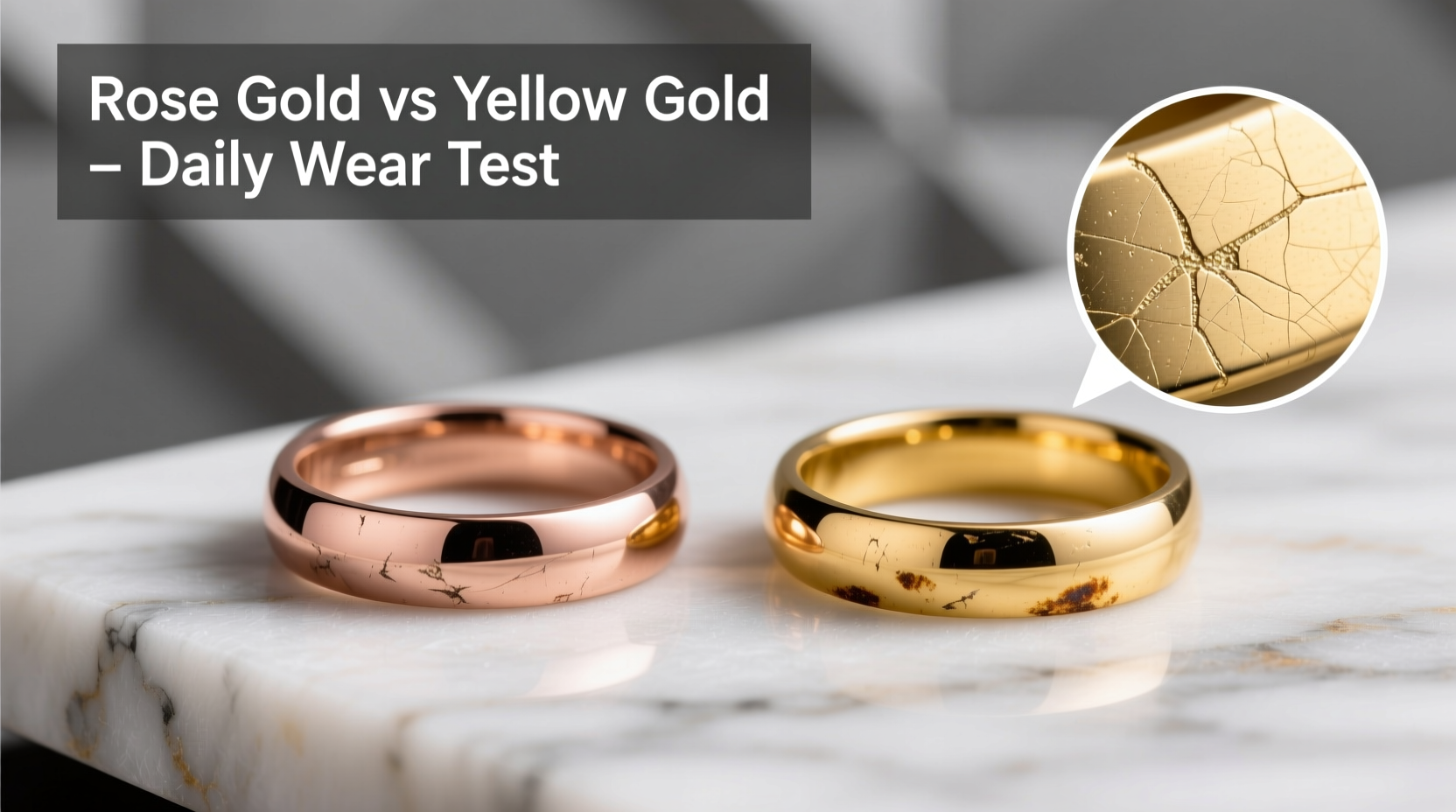
The fundamental difference between rose gold and yellow gold lies in their alloy mixtures. Pure 24-karat gold is naturally yellow, but it's rarely used in jewelry due to its extreme softness. Instead, jewelers use 14k or 18k gold, where the remaining percentage consists of alloy metals like copper, silver, zinc, and nickel.
- Yellow gold maintains its classic hue by combining gold with silver and copper in balanced proportions, sometimes with a small amount of zinc to stabilize color.
- Rose gold gets its warm pinkish tone from a higher concentration of copper. For example, 18k rose gold typically contains 75% gold and 25% copper (with trace silver), while 14k rose gold has about 58% gold and a greater relative share of copper.
This elevated copper content is what gives rose gold its distinctive blush—but it also directly impacts its physical properties. Copper is harder than pure gold and adds tensile strength, making rose gold inherently more durable than yellow gold of the same karat weight.
“Copper increases hardness and wear resistance. That’s why rose gold tends to hold up better over time, especially in rings and bracelets.” — Daniel Reeves, Master Jeweler & GIA GraduateTip: If you lead an active lifestyle or work with your hands frequently, consider rose gold for items like engagement rings or signet bands—it’s less likely to deform under pressure.
Durability Comparison: Scratches, Dents, and Daily Abuse
All gold jewelry will show signs of wear over time, but the rate and type of damage vary between rose and yellow gold. Here’s how they compare across key durability metrics:
| Metric | Rose Gold | Yellow Gold |
|---|---|---|
| Hardness (Mohs scale estimate) | ~3.5–4.0 | ~2.5–3.0 |
| Resistance to scratching | Moderate to high (due to copper) | Moderate (softer surface) |
| Tendency to dent or warp | Lower | Higher, especially in thin bands |
| Color stability over time | Excellent (oxidizes slightly darker, often desirable) | Good, but may develop micro-abrasions that dull shine |
| Hypoallergenic potential | Lower (copper may cause reactions) | Higher (fewer reactive alloys) |
The data shows that rose gold outperforms yellow gold in mechanical durability. Its higher copper content makes it more resistant to bending and surface deformation. However, this benefit comes with trade-offs. Copper oxidizes when exposed to air and skin oils, which can lead to a very slight darkening or patina over decades—not usually a flaw, but a characteristic change some appreciate.
In contrast, yellow gold develops a softer sheen over time. It doesn’t tarnish, but frequent polishing is needed to maintain its original luster, particularly on high-contact areas like ring shanks. Micro-scratches accumulate faster, leading to what jewelers call a “brushed” look unless professionally refinished periodically.
Real-World Wear: A Case Study Over Five Years
To understand long-term performance, consider Sarah, a graphic designer and avid cyclist who wears her engagement ring every day. She chose a 14k rose gold solitaire setting for its modern warmth and subtle vintage flair. After five years of constant wear—including gardening, gym sessions, and commuting—the ring shows minimal warping. The band remains round, and the prongs securing the diamond are intact.
Her colleague James, who selected a matching 14k yellow gold band, noticed visible flattening along the bottom edge of his ring within three years. The polished finish had dulled significantly, and one prong required tightening after two years due to metal fatigue. Both rings were cleaned and inspected annually, yet the structural divergence was clear.
Sarah’s ring benefited from the inherent stiffness of the copper-rich alloy. James’s yellow gold, while still beautiful, required more frequent maintenance to preserve its shape and security. Neither failed, but rose gold demonstrated superior dimensional stability under identical usage patterns.
Maintenance Requirements: Which Needs More Care?
Despite its durability, rose gold isn’t maintenance-free. Both types require cleaning and occasional professional servicing, but their care routines differ subtly.
Cleaning Rose Gold
Rose gold should be cleaned with mild soap and lukewarm water using a soft-bristled brush. Avoid chlorine-based cleaners, which can erode copper over time and weaken the metal structure. Ultrasonic cleaners are generally safe for solid rose gold but should be avoided if the piece includes porous gemstones.
Cleaning Yellow Gold
Yellow gold responds well to standard jewelry cleaning solutions and ultrasonic baths. Because it lacks reactive copper, it’s less prone to chemical degradation from household products—though prolonged exposure to bleach should still be avoided, as it can embrittle any gold alloy.
Tip: Clean your gold jewelry at home once a month and schedule a professional inspection every 12–18 months to check for loose stones or worn settings.Polishing and Reconditioning
Over time, both metals lose their factory polish. Yellow gold benefits most from periodic repolishing, which restores its bright, reflective surface. However, each polishing session removes microscopic layers of metal, shortening the lifespan of delicate pieces.
Rose gold, due to its harder nature, retains its finish longer. When refinishing is needed, fewer passes are required, preserving more of the original metal. Some artisans recommend brushing instead of high-gloss polishing for rose gold to enhance depth without excessive abrasion.
Environmental and Lifestyle Factors
Your daily routine plays a major role in how well either metal holds up. Consider these common scenarios:
- Swimming or hot tub use: Chlorine accelerates erosion in all gold alloys, but rose gold’s copper content makes it slightly more vulnerable to pitting. Remove jewelry before entering pools or spas.
- Office work: Typing and screen use pose minimal risk, though hand creams and sanitizers can leave residue. Both gold types handle this well with regular wiping.
- Manual labor or fitness: Heavy lifting, tool use, or weight training increase impact and friction risks. Rose gold’s resistance to deformation makes it the smarter choice here.
- Humid climates: High moisture levels may accelerate oxidation in rose gold, potentially causing a temporary greenish tint on the skin—a harmless reaction caused by copper salts. Washing hands after wear prevents this.
“People don’t realize that environment affects jewelry like it affects skin. In coastal cities with salty air, I recommend extra vigilance with rose gold—rinse after beach days.” — Lena Torres, Certified Jewelry Appraiser
Step-by-Step Guide: Maximizing Longevity for Daily-Wear Gold Jewelry
No matter which gold tone you prefer, following a structured care plan dramatically extends its life. Use this timeline to protect your investment:
- Daily: Wipe with a soft microfiber cloth after wearing to remove oils and debris.
- Weekly: Inspect for loose stones or bent prongs by gently wiggling gems under good lighting.
- Monthly: Soak in warm water with mild dish soap for 15 minutes, then brush lightly with a toothbrush to clean crevices.
- Every 6 months: Take to a trusted jeweler for ultrasonic cleaning and structural evaluation.
- Every 2–3 years: Consider professional repolishing or rhodium plating (for white gold accents) if desired.
This routine applies equally to rose and yellow gold, though rose gold owners should pay closer attention to discoloration around the edges and avoid abrasive cloths that might strip the surface layer unevenly.
Checklist: Choosing the Right Gold for Your Lifestyle
Still unsure whether rose or yellow gold suits your needs best? Answer these questions to guide your decision:
- ✅ Do you work with your hands or engage in sports? → Rose gold offers better structural integrity.
- ✅ Is your skin sensitive or prone to reactions? → Choose yellow gold; lower copper reduces allergy risk.
- ✅ Do you prefer a classic, warm glow? → Yellow gold delivers traditional elegance.
- ✅ Are you drawn to romantic, modern, or vintage styles? → Rose gold complements rose-cut diamonds and antique designs beautifully.
- ✅ How often are you near chlorinated or salt water? → Limit rose gold exposure; opt for yellow gold or remove during activities.
Frequently Asked Questions
Does rose gold scratch more easily than yellow gold?
No—actually, the opposite is true. Due to its higher copper content, rose gold is harder and more resistant to scratches than yellow gold of the same karat. However, scratches on rose gold may appear more visible because of the contrast between abraded and polished surfaces.
Will my rose gold jewelry turn my skin green?
Occasionally, yes—especially in humid conditions or with acidic skin pH. The green tint is caused by copper oxidation reacting with sweat, not an allergic reaction. It’s temporary and washes off easily. Applying clear nail polish inside the band can create a barrier if this occurs frequently.
Can I wear rose and yellow gold together every day?
Absolutely. Many people mix gold tones intentionally for stylistic effect. Just remember that each metal ages differently—rose gold may darken slightly, while yellow gold may become matte. Regular cleaning keeps both looking fresh and coordinated.
Final Thoughts: Beauty Meets Resilience
Choosing between rose gold and yellow gold isn’t just about matching your skin tone or outfit preferences—it’s about aligning with your lifestyle. If durability, strength, and resistance to deformation are priorities, rose gold has the upper hand. Its alloy composition makes it better suited for active wear, offering peace of mind that your cherished pieces won’t bend or degrade prematurely.
Yet yellow gold remains unmatched in versatility and tradition. Its rich hue flatters nearly every complexion and pairs effortlessly with diamonds and colored gemstones. With proper care, it can last generations, even if it demands slightly more attention over time.
Ultimately, the “better” metal depends on how you live. There’s no universal winner—only the one that fits your rhythm, values, and aesthetic vision. Whether you’re drawn to the rosy blush of copper-kissed gold or the golden warmth of a timeless classic, understanding their performance ensures your jewelry stays meaningful, secure, and radiant for years to come.
🚀 Ready to choose your next piece with confidence? Revisit this guide before purchasing, share it with someone shopping for jewelry, or leave a comment with your own experience wearing rose or yellow gold daily!








