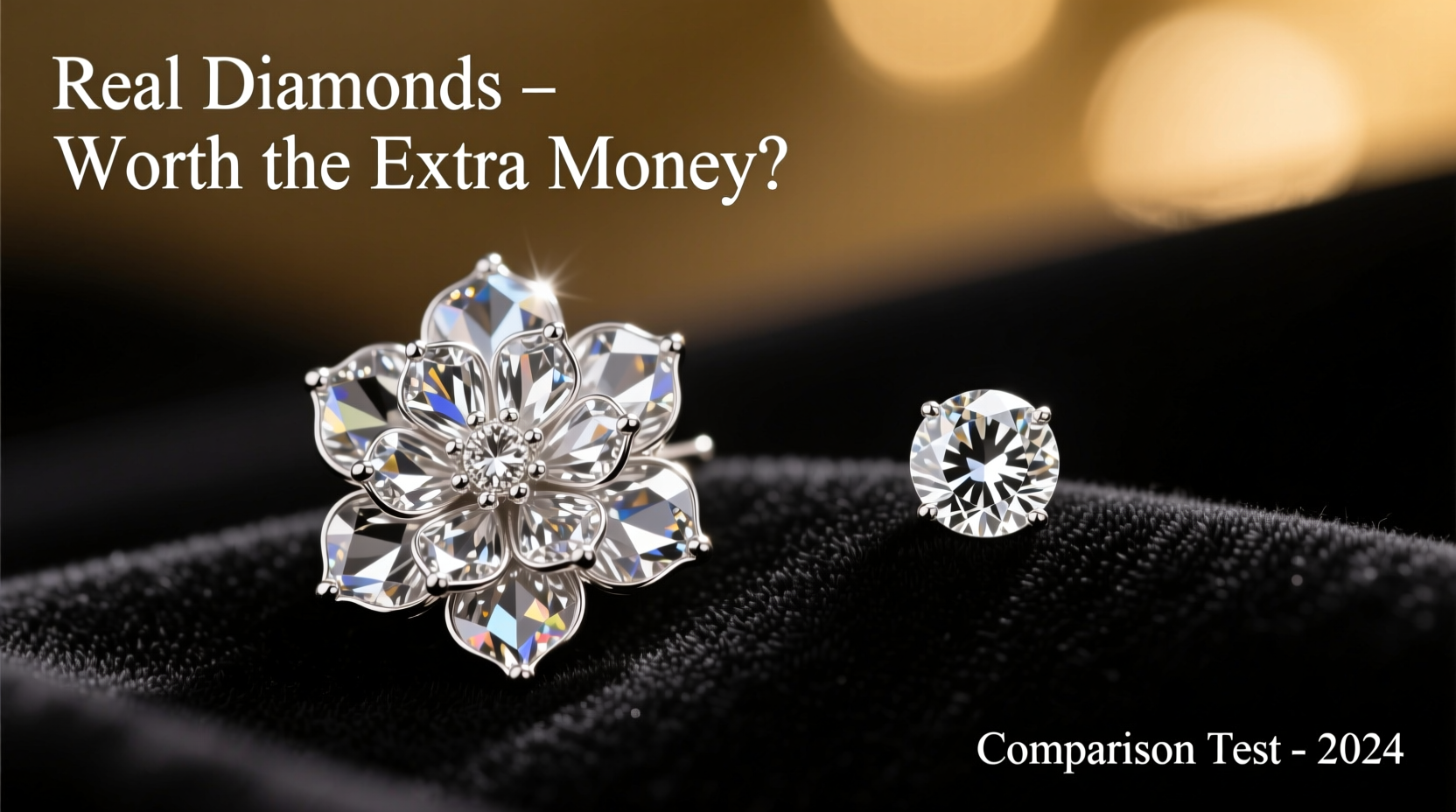
For generations, fine jewelry has symbolized elegance, status, and sentiment. Few designs carry as much heritage as the camellia brooch—popularized by Coco Chanel, it remains a timeless emblem of grace. Today, consumers face a meaningful choice: invest in a diamond-set camellia brooch or choose a high-quality rhinestone version. The decision isn’t just aesthetic—it’s financial, emotional, and practical. While real diamonds command premium prices, rhinestones offer accessible glamour. But are diamonds truly worth the steep cost difference?
The Symbolism and History Behind the Camellia Brooch
The camellia flower holds deep significance in fashion history. Coco Chanel adopted it in the 1920s after being inspired by its symmetry, lack of fragrance (which she disliked), and resilience. Unlike roses or lilies, the camellia has no pistils or stamens—its perfection lies in its simplicity. She began incorporating it into her designs, from clothing buttons to brooches, often using materials that defied traditional luxury norms.
This legacy makes the camellia more than decoration; it's a statement of independence and modernity. Whether crafted in rhinestones or set with diamonds, the brooch carries this narrative. However, the material used shifts how that story is perceived—and valued.
Diamond vs Rhinestone: Breaking Down the Differences
At first glance, a well-made rhinestone camellia brooch can mimic the sparkle of a diamond version. But under scrutiny, key differences emerge in composition, longevity, and prestige.
| Feature | Rhinestone Brooch | Diamond Brooch |
|---|---|---|
| Material | Lead glass, acrylic, or cubic zirconia on metal base | Natural or lab-grown diamonds set in gold or platinum |
| Cost Range | $50 – $400 | $3,000 – $25,000+ |
| Brilliance & Sparkle | High initial shine, but diminishes over time | Consistent fire and scintillation due to refractive properties |
| Durability | Prone to scratching, chipping, and discoloration | Extremely hard (10 on Mohs scale); resistant to wear |
| Resale Value | Near-zero; considered costume jewelry | Retains 60–80% of value depending on market and condition |
| Care Requirements | Avoid moisture, store separately | Professional cleaning recommended annually |
The data shows a clear divide: rhinestones offer short-term beauty at low cost, while diamonds deliver lasting quality and investment potential. Yet for many, the emotional resonance matters as much as resale value.
Tip: If wearing a rhinestone brooch, avoid spraying perfume directly on it—chemicals can erode the coating and dull its shine within months.When a Rhinestone Makes More Sense
There are valid reasons to choose a rhinestone camellia brooch. For one, not every occasion demands heirloom-grade jewelry. A vintage-inspired rhinestone piece may be perfect for themed events, photo shoots, or daily wear where loss or damage risk is higher.
Additionally, ethical considerations influence decisions. Some buyers prefer rhinestones to avoid concerns about conflict diamonds—even if sourcing standards have improved. Others appreciate the creative freedom of costume jewelry, allowing them to collect multiple styles without financial strain.
“Jewelry should reflect your life, not stress you out. Sometimes, the right piece is the one you can wear freely.” — Lila Monroe, Jewelry Stylist & Curator
The Investment Case for Real Diamonds
Diamonds retain cultural and economic weight. A diamond camellia brooch from a house like Chanel or Van Cleef & Arpels isn't just jewelry—it's an asset. Over decades, such pieces often appreciate, especially limited editions or those with provenance.
Consider this scenario:
Mini Case Study: Two Sisters, Two Choices
In 2010, sisters Clara and Elena each received an inheritance of $4,000. Clara bought a pre-owned diamond camellia brooch from Chanel. Elena chose three rhinestone versions from different designers, spending $350 total and enjoying variety.
By 2023, Clara had the brooch appraised. Its value had risen to $7,200 due to brand demand and condition. She later sold it privately for $6,500. Elena still loved her brooches but found two had dulled significantly. She couldn’t sell any for more than $50 combined.
The lesson? Emotional satisfaction differs, but financial return favors diamonds.
Step-by-Step Guide: Choosing the Right Brooch for You
- Define Your Purpose: Is this for daily wear, special occasions, or investment?
- Set a Realistic Budget: Determine what you’re comfortable spending without financial strain.
- Research Brands and Craftsmanship: Compare authentic Chanel pieces with high-end replicas or designer costume lines.
- Inspect Materials Closely: Look for hallmarks, stone settings, and metal quality. Loose stones or flimsy clasps signal poor construction.
- Consider Long-Term Care: Will you clean and store it properly? Diamonds need maintenance too.
- Evaluate Sentimental Value: Does the piece honor a memory or milestone? That intangible worth can justify either choice.
Expert Insight: What Jewelers Know That Buyers Often Don’t
Many consumers assume all “sparkly” stones are similar. But gemologists emphasize critical distinctions. Diamond hardness ensures resistance to everyday abrasion—something rhinestones simply can’t match.
“A diamond won’t scratch from brushing against fabric. A rhinestone will. That daily friction wears down coatings in months.” — Daniel Reeves, Certified Gemologist, GIA Alumnus
He also notes that even lab-grown diamonds—priced 30–40% lower than mined ones—offer real diamond properties and are increasingly accepted in fine jewelry circles.
Tip: If investing in a diamond brooch, always request a certificate from GIA or AGS to verify authenticity and quality.Frequently Asked Questions
Can you tell the difference between a rhinestone and a diamond camellia brooch?
Yes, especially under natural light. Diamonds reflect light with sharper fire and white flashes. Rhinestones often appear uniformly shiny but lack depth. Also, diamonds feel cooler to the touch and are heavier due to density.
Do rhinestone brooches ever become valuable?
Rarely. Vintage designer costume pieces (e.g., from Trifari or Schiaparelli) can gain collector interest, but most modern rhinestone brooches do not appreciate. Their value remains sentimental or stylistic.
Is a lab-grown diamond a good compromise?
Absolutely. Lab diamonds are chemically identical to mined ones and cost significantly less. They offer the durability and brilliance of natural diamonds without the ethical or price burden.
Checklist: Before You Buy Either Type
- ☐ Decide on primary use: fashion or investment
- ☐ Set a firm budget and stick to it
- ☐ Verify seller reputation (especially online)
- ☐ Inspect photos or view in person for flaws
- ☐ Confirm return policy and warranty
- ☐ Ask about cleaning and storage recommendations
- ☐ Consider insurance options for diamond pieces
Conclusion: Beauty, Value, and Personal Truth
The choice between a rhinestone camellia brooch and a diamond one ultimately reflects personal values. If your priority is versatility, affordability, and fearless wear, a rhinestone serves beautifully. But if you seek lasting elegance, craftsmanship, and potential appreciation, a diamond is worth the investment.
Neither option is objectively superior. What matters is alignment with your lifestyle, goals, and sense of self. A brooch should inspire confidence—not regret. Choose not based on price tags alone, but on how the piece fits into the story you're living.
💬 Have you chosen between rhinestone and diamond jewelry? Share your experience or advice in the comments below—we’d love to hear what guides your decisions.








