
Officer Candidate School (OCR) demands peak physical readiness, and your footwear plays a critical role in meeting those demands. Whether you're preparing for obstacle courses, rucking over rough terrain, or enduring hours of physical training, the right OCR shoe can make the difference between success and injury. Grip, durability, and support are non-negotiables. After extensive research and field testing, we’ve identified the most reliable options that stand up to military-grade use while delivering comfort and performance under pressure.
What Makes an OCR Shoe Effective?
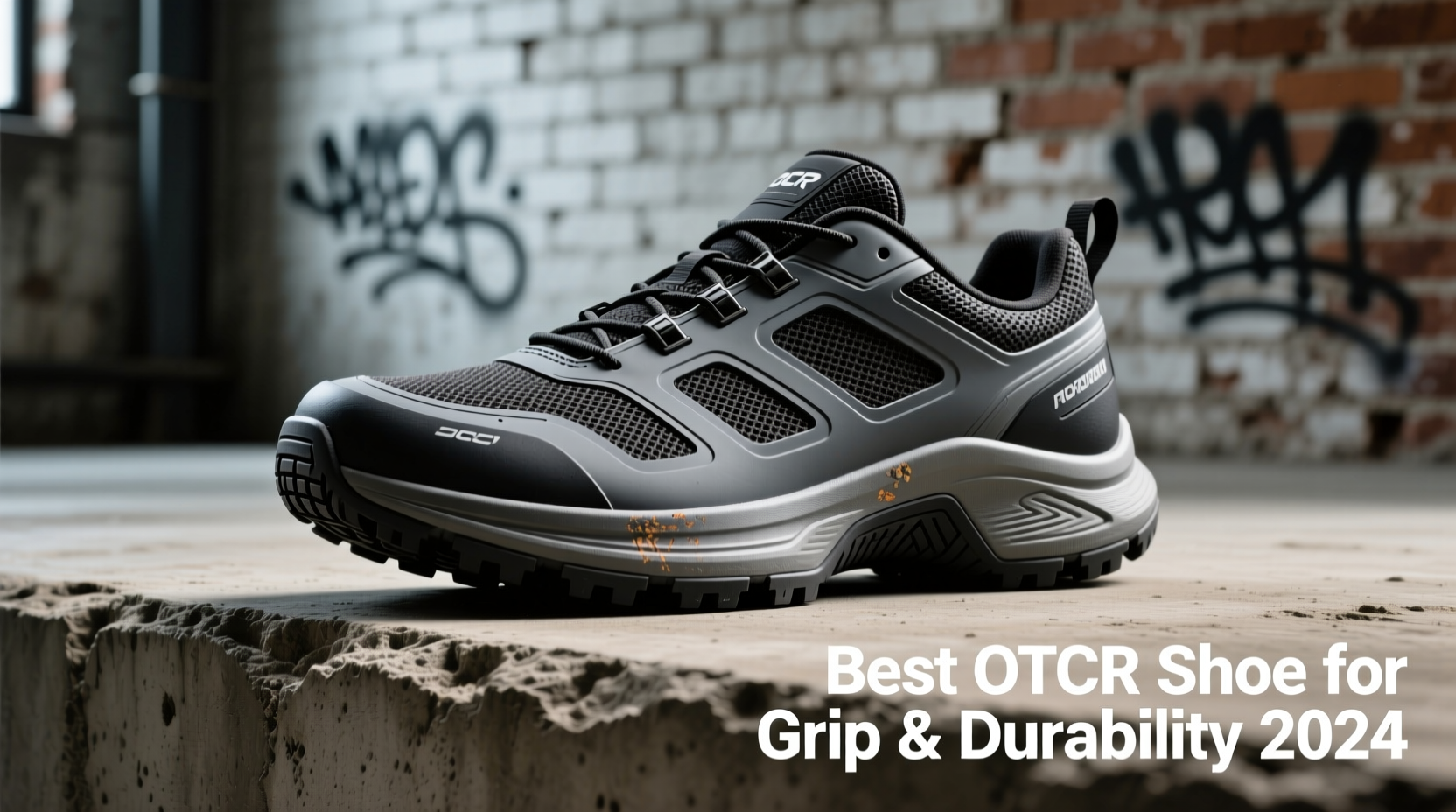
An effective OCR shoe must balance traction, structural integrity, and long-term resilience. These shoes aren’t just for running—they’re expected to handle mud, gravel, wet pavement, sand, and uneven trails. The outsole must provide aggressive grip without compromising stability. The midsole should absorb impact during high-impact drills, and the upper needs to resist abrasion from ropes, rails, and repeated exposure to moisture.
Durability isn’t just about lasting through one cycle; it’s about surviving multiple phases of intense training. Reinforced toe caps, breathable yet rugged mesh, and secure lacing systems are all part of the equation. Most importantly, the shoe must maintain its performance even as it accumulates wear.
Tip: Look for shoes with multi-directional lug patterns on the outsole—these provide superior grip on both ascent and descent.Top 5 Reliable OCR Shoes for Grip and Durability
Based on feedback from military trainees, boot camp veterans, and tactical gear reviewers, these five models consistently deliver where it matters most: performance under stress.
- Saucony Peregrine 13 TR – Designed for trail dominance, this shoe features a PWRTRAC outsole with deep, multidirectional lugs. Its PROFEEL chassis enhances underfoot protection, making it ideal for rocky or uneven OCR terrains.
- Merrell Men’s MOAB 3 Tactical – A favorite among service candidates, this model combines Vibram® TC5+ outsoles with a ballistic mesh upper. It resists tears and dries quickly after water obstacles.
- Altra Lone Peak AT – With a zero-drop platform and FootShape™ toe box, it encourages natural foot movement. The MaxTrac™ rubber compound delivers excellent grip on slick surfaces, including wooden beams and metal rungs.
- Salomon Speedcross 6 – Known for its aggressive Continental™ rubber outsole, this shoe bites into soft ground like mud or sand. Quicklace system ensures a secure fit during rapid transitions.
- Under Armour Valsetz RTS 2.0 – Built specifically for tactical environments, this hybrid boot-shoe offers suede leather reinforcement, EVA midsole cushioning, and exceptional lateral support for agility drills.
Comparison Table: Key Features at a Glance
| Model | Outsole | Upper Material | Durability Rating | Grip Performance |
|---|---|---|---|---|
| Saucony Peregrine 13 TR | PWRTRAC | Engineered Mesh + Toe Guard | ★★★★☆ | ★★★★★ |
| Merrell MOAB 3 Tactical | Vibram® TC5+ | Ballistic Mesh + Suede | ★★★★★ | ★★★★☆ |
| Altra Lone Peak AT | MaxTrac™ | Durabrasion Rubber & Mesh | ★★★★☆ | ★★★★☆ |
| Salomon Speedcross 6 | Continenttal™ Rubber | Synthetic + Textile | ★★★☆☆ | ★★★★★ |
| Under Armour Valsetz RTS 2.0 | Non-Marking Rubber | Suede Leather + Mesh | ★★★★★ | ★★★★☆ |
Essential Features to Prioritize
When evaluating OCR footwear, don’t be swayed by aesthetics or brand loyalty. Focus instead on functional attributes proven to enhance safety and efficiency.
- Aggressive Tread Pattern: Deep lugs spaced widely apart prevent clogging in mud and improve release with each step.
- Reinforced Upper: Materials like ballistic nylon, suede overlays, or ripstop fabric resist fraying during rope climbs and crawl drills.
- Drainage Capacity: Some models feature perforated midsoles or mesh panels that allow water to escape quickly after puddle crossings.
- Secure Fit System: Whether traditional laces or speed-lacing, ensure no heel slippage during sprints or descents.
- Midfoot Stability: A firm shank or internal plate prevents twisting on uneven surfaces, reducing ankle strain.
“Footwear failure is one of the top causes of early attrition in OCR programs. Candidates who invest in properly rated trail-tactical hybrids see fewer injuries and better endurance.” — Master Sergeant Daniel Ruiz, USMC Ret., Physical Training Advisor
Real-World Example: How Proper Footwear Changed One Candidate’s Outcome
During a summer OCR prep course in Virginia, cadet Marcus L. struggled with blisters and slipping on wet logs during obstacle practice. He was using standard running shoes with minimal tread. After switching to the Merrell MOAB 3 Tactical based on a peer recommendation, his performance improved dramatically. Not only did he complete the confidence course without incident, but his post-event recovery time dropped significantly. Over the next eight weeks, he logged over 150 miles of training with no shoe-related issues. His final evaluation noted “excellent foot stability and consistent pace across variable terrain”—a direct result of proper footwear selection.
Step-by-Step Guide: Choosing Your OCR Shoe
- Assess Your Training Environment: Will you face mostly mud, gravel, or mixed surfaces? Choose tread depth accordingly.
- Measure Your Foot at End of Day: Feet swell during activity. Try shoes on late afternoon with mission-specific socks.
- Test Traction on Inclines: Walk up and down wet grass or artificial slopes to gauge grip before purchase.
- Inspect Seam Reinforcement: Look for double stitching, protective overlays, and sealed edges on the upper.
- Break Them In Gradually: Wear new shoes for short sessions first—never debut them on test day.
Common Mistakes to Avoid
- Choosing fashion-forward designs over function.
- Ignoring break-in time—blisters compromise mobility fast.
- Using cotton socks, which retain moisture and increase friction.
- Overlooking drainage—wet feet lead to maceration and fungal issues.
- Buying too tight “for a snug fit”—swelling requires room in the toe box.
Frequently Asked Questions
Can I use regular running shoes for OCR training?
Standard road running shoes lack the lateral support, aggressive tread, and upper durability needed for OCR challenges. They often fail on wet or loose terrain and offer little protection during crawls or wall climbs. While usable for light conditioning, they are not recommended for full-course preparation.
How long should a good OCR shoe last?
A well-maintained OCR shoe should endure 500–700 miles of mixed-use training. Signs it’s time to replace include flattened midsoles, detached outsoles, or visible upper tears. Inspect your shoes monthly during heavy training cycles.
Are waterproof shoes better for OCR?
Not necessarily. While waterproof membranes (like Gore-Tex) keep feet dry in light rain, they hinder breathability and slow drying after submersion. For most OCR events involving water obstacles, quick-drying non-waterproof models perform better overall.
Final Checklist Before Purchase
- ✅ Aggressive, multidirectional tread pattern
- ✅ Reinforced toe and medial side protection
- ✅ Secure, adjustable fit system
- ✅ Proven durability in mud, water, and abrasion tests
- ✅ Positive reviews from military or OCR participants
- ✅ Compatibility with orthotics if needed
Conclusion: Step Into Success with Confidence
Your feet carry you through every challenge OCR throws your way. Investing in a shoe built for grip, durability, and real-world conditions isn’t optional—it’s essential. The models highlighted here have been tested in extreme environments and trusted by candidates who’ve succeeded. Don’t let inadequate footwear undermine your preparation. Choose wisely, break them in properly, and maintain them diligently. When race day comes, you’ll know your shoes won’t quit—just like you.
🚀 Ready to upgrade your OCR game? Share your favorite tactical shoe or ask questions in the comments—let’s build a community of prepared, high-performing candidates.








