When choosing a handbag, details matter. One of the most iconic design elements in luxury and everyday bags alike is the quilted surface—most famously seen in Chanel’s 2.55. But beyond aesthetics, does the diamond quilting actually serve a purpose? Or is it purely decorative? The answer lies at the intersection of history, craftsmanship, material science, and personal use. Understanding the real differences between quilted and plain handbags can help you make smarter purchasing decisions and care for your investment properly.
The Origins of Quilting in Handbags
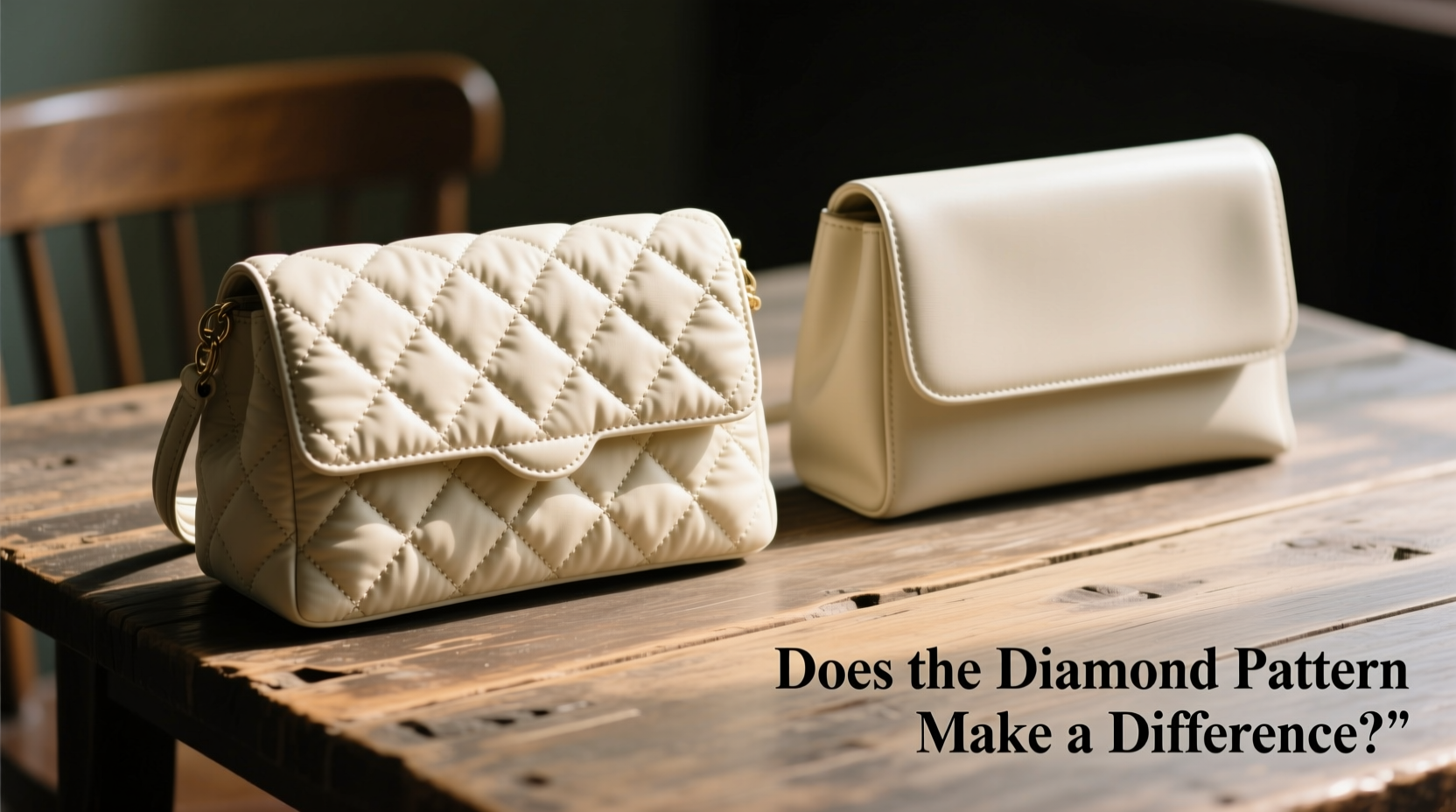
Quilted handbags trace their roots to functional textile traditions. Originally, quilting was developed as a method to provide warmth by stitching together multiple layers with padding in between. In fashion, Gabrielle “Coco” Chanel revolutionized handbag design in 1955 when she introduced the now-iconic 2.55 bag. Inspired by the uniforms of caretakers at an orphanage where she grew up, Chanel incorporated diamond-shaped quilting not just for visual appeal but also for structural reinforcement.
The padding between fabric layers added resilience, helping the bag maintain its shape under daily wear. Over time, the technique became synonymous with elegance and sophistication, especially in leather goods. Today, while many brands adopt quilting for aesthetic reasons, the original functional benefits still influence performance—especially in higher-end pieces.
Structural Differences: Durability and Shape Retention
One of the most tangible advantages of quilting is enhanced durability. The stitching pattern creates small, interconnected compartments that distribute stress across the surface. This means that when a quilted bag is placed on a rough surface or pressed against other objects, the risk of deep scratches or permanent indentations is reduced.
In contrast, plain handbags—especially those made from soft leathers like lambskin—can show creases, scuffs, and dents more easily. Without the internal padding and structured stitching, they are more prone to losing shape over time, particularly if frequently overfilled.
Tip: If you carry heavy items daily, a quilted bag may offer better long-term shape retention than a smooth, unstructured one.Material Considerations
The impact of quilting also depends heavily on the materials used. A quilted bag made from thick, durable leather will naturally outperform a thin, loosely stitched quilted canvas. Similarly, a well-constructed plain handbag in full-grain cowhide might be more resilient than a poorly padded quilted alternative.
However, when comparing similar materials, quilting generally adds a layer of protection. The stitching acts like a network of support beams, minimizing surface deformation. This is particularly noticeable in crossbody and shoulder bags, which endure constant friction against clothing and surfaces.
Functional Performance: Comfort and Practicality
Another often-overlooked benefit of quilting is comfort. The padded structure makes the bag softer against the body, reducing pressure points when worn over the shoulder or across the chest. This is why many high-end brands use quilting in slouchy hobo styles or chain-strap designs meant for all-day wear.
Plain handbags, especially those with stiff linings or rigid frames, can dig into the shoulder or feel cold and hard in certain weather conditions. While this isn’t a dealbreaker, it’s a subtle but meaningful factor for frequent users.
On the flip side, quilted bags may be harder to clean. The textured surface traps dust and oils more easily than a smooth finish, requiring more meticulous maintenance. Spills and stains can seep into the stitching channels, making spot-cleaning trickier.
“Quilting isn’t just about looks—it changes how a bag ages. A well-quilted piece resists deformation far longer than a flat counterpart, assuming equal care.” — Lena Torres, Luxury Accessory Conservator
Style and Timelessness: Fashion vs Function
Aesthetically, quilted handbags carry a distinct identity. The diamond pattern evokes classic elegance and heritage, often associated with timeless luxury. Brands like Chanel, YSL, and Dior have built entire product lines around quilted silhouettes, reinforcing their status as wardrobe staples.
Plain handbags, meanwhile, offer minimalist versatility. A sleek, unadorned tote or satchel can transition seamlessly from office to evening, adapting to different styles without competing visually. They’re often favored in modern, architectural designs where clean lines take precedence.
That said, trends shift. While quilted patterns remain perennially popular, there are seasons when minimalism dominates. Choosing between quilted and plain should consider not just current fashion, but your personal style longevity. Ask yourself: do you want a statement piece, or a neutral workhorse?
Real-World Example: Two Bags, One Year
Consider Sarah, a marketing executive who uses her handbag daily. She owns two bags: a quilted black leather shoulder bag and a plain tan leather tote, both from reputable mid-luxury brands. After one year of regular use—commuting, carrying a laptop, and occasional outdoor events—the differences are clear.
The quilted bag shows minor surface scuffing but retains its shape remarkably well. The stitching has held firm, and the padding prevents deep creases. The plain tote, while still functional, has developed noticeable folds and a slight sag at the base from overloading. The smooth leather has picked up several light scratches, some of which haven’t buffed out.
Sarah reports she prefers the quilted bag for daily commutes due to comfort and resilience, reserving the plain tote for lighter-duty days. Her experience underscores that construction impacts longevity—even when usage patterns are identical.
Comparison Table: Quilted vs Plain Handbags
| Feature | Quilted Handbags | Plain Handbags |
|---|---|---|
| Shape Retention | Excellent – stitching and padding help maintain form | Fair to Good – depends on material stiffness |
| Durability | High – distributes impact and resists deep scratches | Moderate – more prone to creasing and surface damage |
| Comfort | Better for shoulder wear – padded structure reduces pressure | Can be stiff or uncomfortable with prolonged wear |
| Cleanability | More difficult – texture traps dirt in seams | Easier – smooth surface allows quick wipe-downs |
| Style Impact | Iconic, classic – often seen as luxurious | Minimalist, versatile – blends with various outfits |
| Weight | Slightly heavier due to extra layers | Generally lighter |
Care Tips for Both Styles
Regardless of design, proper care extends any handbag’s lifespan. However, the methods differ slightly based on surface texture.
- For quilted bags: Use a soft-bristled brush to gently remove debris from stitching grooves. Avoid soaking; instead, dampen a microfiber cloth with a pH-balanced leather cleaner and dab carefully.
- For plain bags: Wipe down regularly with a dry or slightly damp cloth. Store with a soft lining inside to prevent scratching.
- Both types benefit from periodic conditioning, especially if made of natural leather.
FAQ: Common Questions About Quilted vs Plain Handbags
Does quilting make a handbag more expensive?
Often, yes. The process requires additional materials (padding, lining) and more labor-intensive stitching. Machine quilting exists, but hand-stitched or precision-machine-quilted bags command higher prices due to craftsmanship.
Can I find durable plain handbags?
Absolutely. Durability depends more on material quality and construction than surface design. A full-grain leather tote with reinforced corners and sturdy hardware can outlast a poorly made quilted bag.
Are quilted bags outdated?
No. While trends fluctuate, quilted designs remain a staple in luxury and contemporary collections. Their association with heritage and elegance ensures ongoing relevance, especially in classic silhouettes like flaps and top handles.
Final Checklist Before Buying
- Assess your daily needs: Will you carry heavy items or need all-day comfort?
- Compare materials: Is the leather or fabric high-quality, regardless of texture?
- Check stitching density: Tight, even quilting indicates better durability.
- Test the interior: Look for robust lining and functional compartments.
- Consider maintenance: Are you willing to clean a textured surface regularly?
Conclusion: Does the Diamond Pattern Make a Difference?
The diamond quilting on a handbag is far more than a fashion flourish. It enhances structural integrity, improves comfort, and contributes to long-term shape retention. While plain handbags offer sleek simplicity and easier maintenance, quilted designs bring functional advantages that justify their enduring popularity—especially for daily use.
Your choice should align with how you use your bag, your lifestyle, and your willingness to maintain it. Whether you lean toward the timeless elegance of a quilted flap or the understated polish of a smooth tote, understanding the engineering behind the surface empowers you to choose wisely.
💬 What’s your go-to handbag style? Share your thoughts on quilting—love it or skip it—and help others decide what works best for real-life use.