Keychains are more than just functional accessories—they’re personal statements. Whether clipped to a backpack, purse, or belt loop, they reflect style, humor, or sentimentality. Two popular types—octopus plush keychains and beaded keychains���have gained traction for their charm and whimsy. But when attached to a backpack that endures daily friction, weather exposure, and constant motion, durability becomes critical. So, which one holds up better over time? The answer isn’t as simple as material strength; it involves design, maintenance, and environmental factors.
Durability Factors That Matter
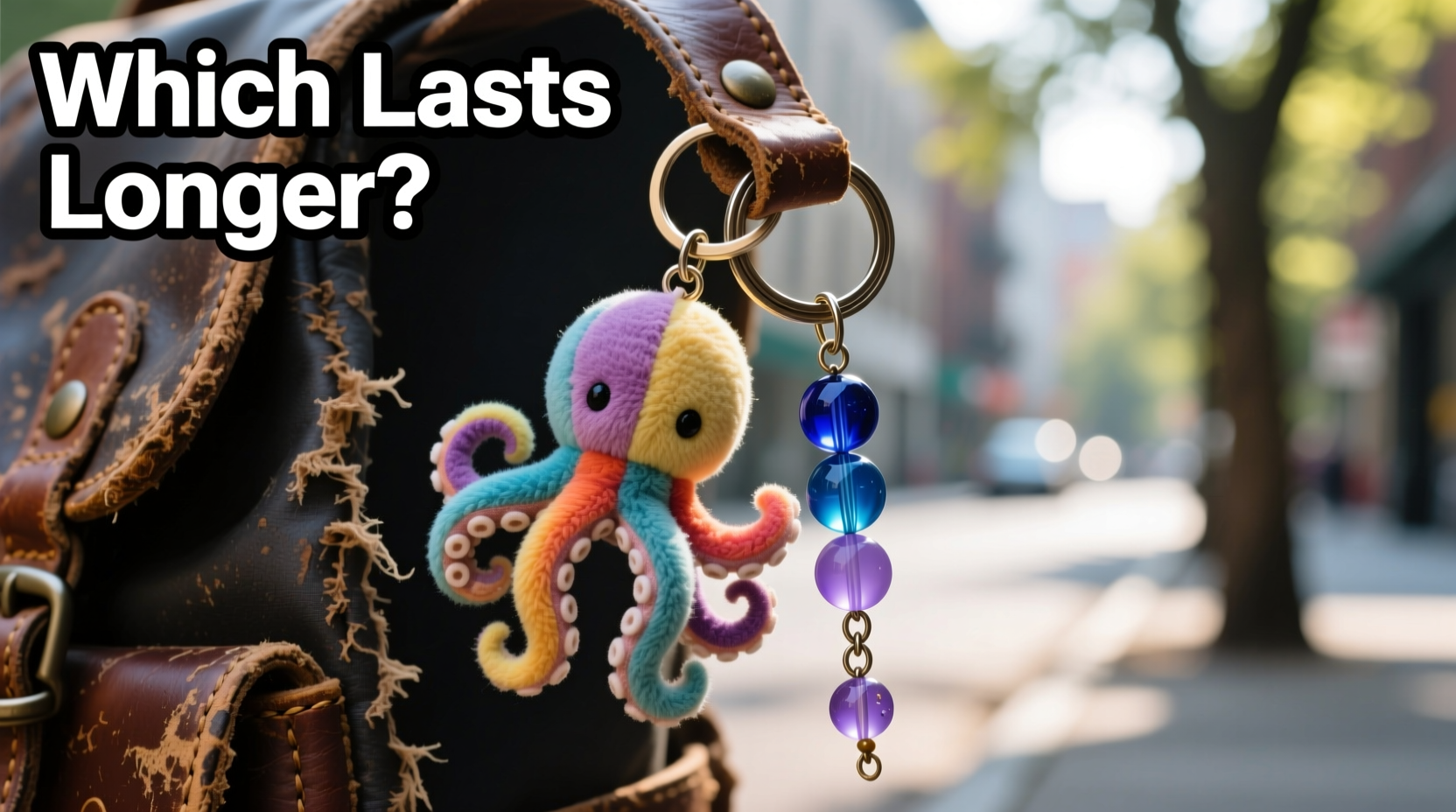
The lifespan of any accessory on a backpack depends on several interrelated factors: material resilience, construction quality, frequency of use, and exposure to the elements. Plush toys and beads differ significantly in these areas, leading to different wear patterns.
Plush keychains, like the octopus variety, are typically made from soft polyester fabric with embroidered or plastic eyes and stitched limbs. They’re designed for tactile appeal and cuteness, not abrasion resistance. Beaded keychains, on the other hand, are often constructed from durable materials like acrylic, wood, or glass, strung on nylon or metal wire. Their rigidity makes them inherently more resistant to crushing and tearing.
However, durability isn’t only about toughness—it’s also about how each component fails under stress. A plush toy might survive drops but lose limbs to snagging. A beaded chain may resist fraying but break if the string weakens at stress points.
Tip: Always inspect the stitching and clasp weekly if your keychain is used daily. Early detection of wear can prevent total failure.Material Breakdown: Plush vs Beads
| Feature | Octopus Plush Keychain | Beaded Keychain |
|---|---|---|
| Main Material | Polyester fabric, synthetic stuffing | Acrylic, wood, or glass beads |
| Structural Integrity | Moderate (stitched seams) | High (rigid or tightly strung) |
| Resistance to Water | Low (absorbs moisture, prone to mildew) | High (non-porous, dries quickly) |
| Abrasion Resistance | Low (fabric wears, limbs fray) | High (smooth surfaces resist scuffing) |
| UV Resistance | Low (colors fade in sunlight) | Moderate to High (depends on bead type) |
| Weight | Light | Variable (light to medium) |
While plush keychains win in softness and emotional appeal, they lag behind in nearly every physical durability metric. Beads, especially those made from high-quality acrylic or coated wood, maintain their appearance and structure far longer when exposed to outdoor conditions.
Real-World Wear Patterns: A Mini Case Study
Jess, a college student in Seattle, uses her backpack daily across campus, public transit, and occasional hikes. She owns both an octopus plush keychain and a handmade beaded octopus keychain—both attached to her bag for six months.
After three months, the plush version showed visible wear: one tentacle tore at the seam after catching on a bus seat. Rain exposure caused slight discoloration and a musty smell. By month five, the stuffing began to compress unevenly, and the embroidery loosened.
In contrast, the beaded keychain retained its shape and color. One bead cracked after being stepped on, but the string held. After restringing at home, it continued functioning without issue. After six months, it looked nearly new.
This example illustrates a common trend: plush items degrade faster due to environmental exposure and mechanical stress, while beadwork, though not indestructible, offers longer functional life when properly maintained.
“Accessories on backpacks face micro-abrasions with every movement. Soft textiles accumulate damage silently until failure occurs.” — Dr. Lena Torres, Textile Durability Researcher, MIT Materials Lab
Care and Maintenance Comparison
Maintenance plays a crucial role in longevity. Even durable items fail prematurely without care. Here's how upkeep differs between the two types:
- Plush Keychains: Require occasional spot cleaning. Hand-washing is possible but risks damaging glue, embroidery, or stuffing. Air drying is essential to prevent mold. Exposure to direct sunlight should be minimized to avoid fading.
- Beaded Keychains: Can be wiped with a damp cloth. Most are water-resistant and tolerate brief rain exposure. Check knots and strings monthly. Replace worn cords before they snap.
Plush items demand more delicate handling. Moisture management alone makes them less suitable for outdoor or humid environments. Beaded versions are low-maintenance by comparison, making them ideal for active users.
Step-by-Step Guide: Extending Keychain Lifespan
- Inspect Weekly: Check for loose threads, weak clasps, or cracks.
- Rotate Usage: Alternate between keychains to reduce continuous strain.
- Clean Gently: Use a soft cloth and mild soap for beads; spot-clean plush with a dab of water.
- Avoid Snag Zones: Clip keychains away from zippers, straps, or rough surfaces.
- Store Indoors Overnight: Remove from backpack when not in use to limit exposure.
- Repair Early: Sew minor tears or restring beads before damage spreads.
When Plush Might Be Worth the Trade-Off
Despite lower durability, plush keychains have irreplaceable value for many users. Their soft texture and expressive design provide emotional comfort. For someone using a backpack primarily indoors—like in an office or school classroom—the reduced exposure makes plush a viable option.
Additionally, limited-edition plush keychains from brands like Sanrio or Squishmallows carry collectible value. Owners may prioritize aesthetics over longevity, accepting shorter lifespans as part of the experience.
Still, even in these cases, placement matters. Attaching a plush keychain inside a zipper pocket or higher on the bag—away from frequent contact—can extend its life significantly.
Checklist: Choosing the Right Keychain for Longevity
- ✅ Assess your daily routine: Do you walk through crowded areas or ride transit?
- ✅ Consider climate: Do you face rain, snow, or intense sun regularly?
- ✅ Evaluate attachment points: Is there a secure loop away from friction zones?
- ✅ Check clasp quality: Metal lobster clasps last longer than plastic rings.
- ✅ Think long-term: Are you okay replacing it every few months, or do you want years of use?
- ✅ Prioritize function vs. emotion: Is this a practical tool or sentimental item?
FAQ
Can I wash an octopus plush keychain?
Yes, but with caution. Hand-wash gently in cold water with mild detergent. Never machine wash or dry. Allow to air dry completely before reattaching to prevent mildew.
Do beaded keychains tangle easily?
Well-made ones with secure knots and spaced beads rarely tangle. Avoid overly long designs if tangling is a concern.
Which material is more eco-friendly?
Natural wood or recycled glass beads are more sustainable than synthetic plush fabric. However, longevity itself is eco-friendly—fewer replacements mean less waste.
Final Verdict: Which Lasts Longer?
The evidence is clear: beaded keychains outlast octopus plush keychains when attached to backpacks under regular use. Their resistance to water, UV light, and abrasion gives them a significant edge. While plush options offer warmth and personality, they degrade faster due to material limitations and environmental sensitivity.
That said, the “best” choice depends on your priorities. If you value durability, low maintenance, and long-term performance, go with beads. If emotional connection, softness, or aesthetic charm matter most, a plush keychain can still be worthwhile—with the understanding that it may need replacement sooner.
For optimal results, consider owning both: use the beaded version for daily commuting and the plush one for special occasions or indoor use. This hybrid approach balances longevity with personal expression.
💬 What’s your go-to keychain? Have you noticed a difference in how long plush vs. beaded ones last? Share your experience and help others make smarter choices!