
When choosing a reusable tote bag, durability is often the deciding factor. Whether you're hauling groceries, books, or gym gear, you want a bag that won’t split at the seams after a few uses. Two of the most common materials—nylon and canvas��are frequently pitted against each other in this debate. But which one truly lasts longer under daily stress? The answer isn’t as simple as it seems, because durability depends on more than just material strength. It includes resistance to abrasion, water, UV exposure, weight capacity, and long-term wear. This article breaks down the key differences between nylon and canvas tote bags, backed by real-world use cases and expert insights, so you can make an informed decision.
Material Composition: What Are Nylon and Canvas Made Of?
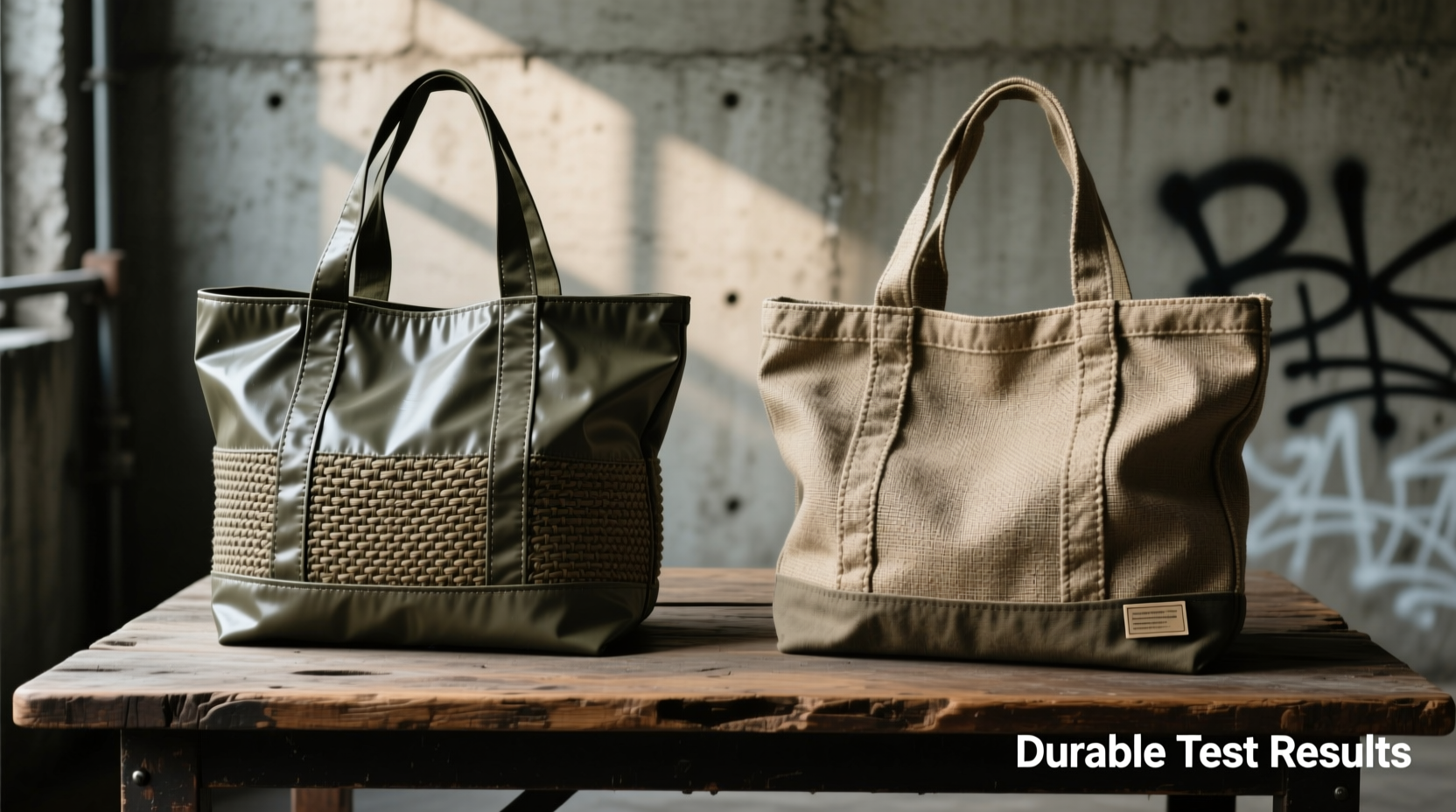
Nylon and canvas differ fundamentally in origin and structure. Understanding their composition helps explain how they perform over time.
Nylon is a synthetic polymer developed in the 1930s, originally for toothbrush bristles and later popularized in parachutes and clothing. It’s derived from petrochemicals and engineered for high tensile strength, elasticity, and resistance to environmental factors. Most nylon used in tote bags is either ripstop nylon (woven with reinforced threads to prevent tears from spreading) or plain woven nylon, typically ranging from 420D to 1000D in denier—a measure of fiber thickness.
Canvas, on the other hand, is a heavy-duty fabric traditionally made from cotton. It features a plain weave that gives it a rugged texture. Modern canvas may be blended with polyester or treated for water resistance, but pure cotton canvas remains common. Its durability comes from tight weaving and thick yarns, not synthetic reinforcement. Denier values for canvas aren't standardized like nylon, but its weight is usually measured in ounces per square yard (e.g., 10 oz or 14 oz canvas).
The synthetic nature of nylon gives it inherent advantages in moisture resistance and consistency, while canvas offers a natural, breathable feel with a classic aesthetic. However, these qualities directly impact how each material holds up over time.
Durability Face-Off: Strength, Water Resistance, and Longevity
To determine which material is more durable, we need to assess several key performance categories:
- Tensile and tear strength
- Water and mildew resistance
- UV and fading resistance
- Maintenance and aging behavior
- Weight capacity and structural integrity
In controlled tests, nylon consistently outperforms canvas in tensile strength. A 600D nylon fabric can support more force before breaking than a standard 10 oz cotton canvas. Ripstop nylon, specifically designed to resist tearing, can withstand sharp impacts and snagging better than even heavy canvas. This makes nylon ideal for rugged environments—think hiking, travel, or urban commuting where bags scrape against pavement or get caught in doors.
Water resistance is another area where nylon excels. Unlike cotton canvas, which absorbs water and becomes heavier when wet, nylon repels moisture. Even untreated nylon dries quickly and doesn’t degrade easily when exposed to rain. Many nylon totes are also coated with polyurethane (PU) or silicone for added protection. Canvas, unless waxed or blended with synthetic fibers, will absorb water, leading to mold, mildew, and accelerated wear if not dried properly.
However, canvas has superior breathability and doesn’t generate static or trap odors as easily as nylon. In terms of UV resistance, both materials suffer from prolonged sun exposure, but nylon tends to degrade faster due to photodegradation—especially if it’s not UV-coated. Canvas fades too, but the natural fibers often age more gracefully, developing a worn-in look rather than becoming brittle.
Tip: If you live in a rainy climate or frequently carry damp items, opt for nylon. For dry, everyday use with a preference for natural materials, canvas is a strong contender.Comparative Analysis: Nylon vs. Canvas Tote Bags
| Feature | Nylon Tote | Canvas Tote |
|---|---|---|
| Tear Resistance | Excellent (especially ripstop) | Good (but prone to fraying) |
| Water Resistance | High (naturally hydrophobic) | Low (unless treated) |
| Weight Capacity | Up to 50+ lbs (with reinforced stitching) | Up to 30–40 lbs (depends on weave) |
| Lifespan (with care) | 5–7 years | 3–5 years |
| UV Degradation | Moderate to high (without coating) | Moderate (fades but remains intact) |
| Eco-Friendliness | Low (petroleum-based, slow to decompose) | Higher (biodegradable if 100% cotton) |
| Cleaning & Maintenance | Easy (wipe or machine wash) | Requires gentle washing; air dry only |
This table highlights that nylon wins in mechanical durability and practical resilience, while canvas scores higher in sustainability and tactile appeal. Your choice should align with your usage patterns—not just initial impressions.
Real-World Example: Commuter vs. Market Shopper
Consider two users: Maya, a city commuter who walks 4 miles daily with her laptop, umbrella, and coffee, and David, a weekend farmer’s market shopper who carries fresh produce in his tote.
Maya’s bag faces constant friction against train seats, gets caught in bike chains, and occasionally gets soaked in sudden downpours. After six months, her canvas tote shows frayed straps, mildew spots under the lining, and a stretched base. She switches to a 1000D ripstop nylon tote with reinforced stitching and waterproof coating. Two years later, it still looks nearly new despite daily abuse.
David, however, uses his canvas tote only on dry Saturdays. He rinses it after carrying potatoes and lets it air dry in his garage. Five years later, the bag is faded and soft, but structurally sound. He appreciates its earthy look and feels good knowing it’s made from renewable cotton.
This contrast illustrates that “durability” isn’t absolute—it’s contextual. Nylon lasts longer under harsh conditions, but canvas can endure just as well in gentler, consistent use.
“Durability isn’t just about how long a material resists breaking—it’s about how well it performs in its intended environment.” — Lena Patel, Sustainable Materials Researcher at Textile Futures Lab
How to Maximize the Lifespan of Either Bag
No matter which material you choose, proper care dramatically extends a tote’s life. Here’s a step-by-step guide to maintaining both nylon and canvas:
- Empty and Shake Out Debris Weekly – Prevent grit buildup that wears down fibers.
- Spot Clean Spills Immediately – Use a damp cloth and mild soap for stains.
- Avoid Overloading – Respect weight limits to prevent seam failure.
- Store in a Dry, Ventilated Area – Never leave damp bags in enclosed spaces.
- Rotate Usage – Using multiple bags reduces strain on any single one.
- Inspect Stitching Monthly – Reinforce loose threads before they unravel.
Frequently Asked Questions
Can canvas tote bags be made waterproof?
Yes, some canvas totes are treated with wax (like traditional waxed cotton) or PU coatings to improve water resistance. However, these treatments wear off over time and require reapplication. Untreated canvas will absorb water and may develop mildew if not dried promptly.
Is nylon more eco-friendly than canvas?
No. Nylon is petroleum-based and non-biodegradable, taking hundreds of years to decompose. Canvas made from 100% organic cotton is biodegradable and has a lower carbon footprint during production. However, recycled nylon (like ECONYL®) is emerging as a more sustainable option.
Which material is better for carrying heavy books?
Nylon is generally better for heavy loads due to its higher tensile strength and resistance to stretching. Look for models with padded, reinforced straps and bar-tacked stress points for maximum load-bearing capacity.
Final Verdict: Which One Is Actually More Durable?
If durability is defined by resistance to tearing, water, abrasion, and long-term structural integrity under demanding conditions, **nylon is objectively more durable than canvas**. It handles extreme use cases better, maintains performance when wet, and requires less maintenance. High-denier ripstop nylon totes are the go-to choice for travelers, outdoor enthusiasts, and professionals who rely on their bags daily.
That said, canvas holds its own in low-stress environments. With proper care, a well-made canvas tote can last several years and age attractively. It’s also the preferred choice for those prioritizing sustainability and natural materials.
The winner depends on your lifestyle. For toughness above all else: choose nylon. For eco-conscious, light-duty use: canvas remains a solid, timeless option.
💬 Ready to upgrade your tote game? Assess your daily needs, pick the material that matches your routine, and start treating your bags like long-term investments. Share your favorite tote brand or care tip in the comments!








