The debate between modern fit and classic fit suits isn’t just about fashion—it’s about function, formality, and personal identity. As tailoring trends have shifted over the past two decades, the slim silhouette of the modern suit has taken center stage in boardrooms, weddings, and social events. But does that mean the classic fit, with its relaxed structure and timeless appeal, has been dethroned? The answer depends less on trend cycles and more on context, physique, and purpose.
Suiting is not one-size-fits-all—nor should it be. What works for a 30-year-old creative director in Brooklyn may not serve a 55-year-old attorney in Chicago. Understanding the nuances between modern and classic fits allows men to make intentional choices that enhance their presence rather than follow fleeting styles.
Defining the Fits: Structure, Cut, and Silhouette
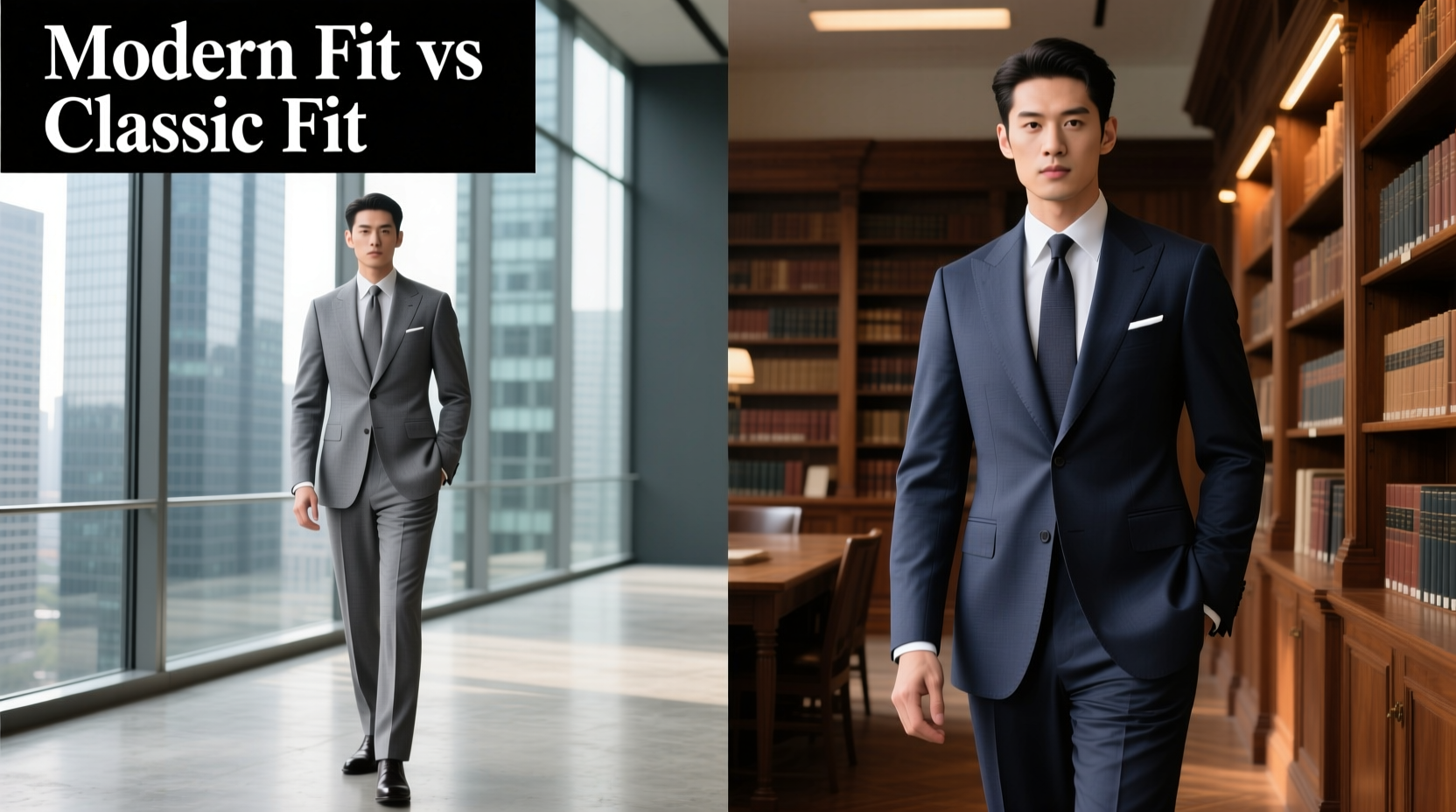
The difference between modern and classic fit suits lies primarily in cut, drape, and how closely the fabric follows the body.
- Modern Fit: Characterized by a slimmer chest, tapered waist, narrower shoulders, and tighter sleeves. The jacket hugs the torso, creating a V-shaped silhouette. Trousers are typically slim or tailored with minimal break at the ankle.
- Classic Fit: Offers a roomier cut through the chest, waist, and seat. The jacket drapes loosely, allowing ease of movement. Shoulders are natural or slightly extended, and trousers are straighter with a fuller leg.
The modern fit emerged as a response to younger generations seeking sleeker, more fashion-forward looks—inspired by European tailoring and red-carpet aesthetics. Classic fit, by contrast, evolved from traditional British and American menswear traditions, prioritizing comfort and longevity over tight lines.
“A well-dressed man doesn’t wear what’s trendy—he wears what’s true to his frame and function.” — Daniel Hatfield, Master Tailor & Founder, Savile Row Atelier NYC
Body Type Considerations: Who Should Wear What?
Finding the right suit starts with understanding your build. A suit should complement—not constrict or conceal—your natural shape.
Tip: If you feel tension across the chest or shoulders when buttoning your jacket, the fit is likely too tight. Conversely, if there's excessive fabric pooling under the arms, it’s too loose.Modern Fit Suitability
- Lean or athletic builds: Men with narrow waists and defined shoulders benefit most from the structured taper of a modern suit.
- Younger professionals (25–40): Often prefer the contemporary edge for networking events or creative industries.
- Occasions: Weddings, fashion events, media appearances—where visual impact matters.
Classic Fit Suitability
- Broad or stocky frames: Allows room without emphasizing bulk; ideal for men over 40 or those carrying weight in the midsection.
- Conservative environments: Law firms, academia, or diplomatic roles where tradition signals authority.
- All-day wear: Greater freedom of movement makes classic fits practical for long meetings or travel.
Wearing a modern suit simply because it’s “in” can backfire if it doesn’t suit your proportions. A strained jacket pulls awkwardly at the buttons and disrupts clean lines. Similarly, an oversized classic fit on a slender man can make him appear lost in fabric—diminishing presence.
Function vs Fashion: When Each Fit Shines
The real test of a suit isn’t how it looks in a mirror—but how it performs in real life.
| Critera | Modern Fit | Classic Fit |
|---|---|---|
| Mobility | Limited sleeve and shoulder range; best for seated presentations | Superior arm movement; comfortable for driving, standing, gesturing |
| Layering | Difficult to wear over thick sweaters or winter coats | Easily layered; ideal for cold climates |
| Longevity | Trend-sensitive; may look dated in 5–7 years | Timeless; remains appropriate across decades |
| Versatility | Best for formal or fashion-forward settings | Adaptable to business, casual, and ceremonial use |
| Comfort | Snug; can feel restrictive during extended wear | Relaxed; suitable for all-day professional use |
A trial-by-fire example: James R., a financial advisor from Boston, invested in three modern-fit suits for client pitches. While they earned compliments initially, he found them uncomfortable during 10-hour workdays and struggled to layer them in winter. After switching to hybrid cuts—slightly tailored but not skin-tight—his confidence improved because his clothing no longer competed with his performance.
Mini Case Study: The Wedding Dilemma
Mark was attending his brother’s wedding in Tuscany. He wanted to look sharp but also needed to dance, mingle, and endure a 90°F afternoon. He chose a light-gray classic fit linen suit with a slightly suppressed waist—not baggy, but breathable. His groomsmen wore ultra-slim modern suits; several unbuttoned their jackets by mid-ceremony due to tightness. Mark stayed cool, composed, and photo-ready all day. Function won over fashion—and he received more style compliments as a result.
How to Choose: A Step-by-Step Guide
Selecting the right suit isn’t about picking sides—it’s about aligning fit with purpose. Follow this process:
- Assess your body type: Stand in front of a mirror in fitted clothing. Note where you carry weight and where you’re naturally narrow.
- Determine primary use: Is this suit for daily office wear, special events, or both?
- Test mobility: Try raising your arms, sitting, and reaching forward in the fitting room. Can you move freely?
- Consider climate: Hot or humid regions favor looser weaves and fits for airflow.
- Evaluate longevity: Will you wear this suit five years from now? If yes, lean toward classic or semi-classic.
- Consult a tailor: Even off-the-rack suits can be adjusted. A $50 alteration can transform a modern fit into a custom-like experience.
FAQ: Common Questions About Suit Fits
Can I wear a modern fit if I’m overweight?
Yes—but only if it’s properly tailored. Avoid off-the-rack \"slim\" labels, which often shrink proportionally and create pulling. Instead, opt for a “tailored fit” or custom option with a slimmer waist but adequate chest room.
Is the classic fit outdated?
No. While less dominant in fashion media, classic fit remains standard in many professions and cultures. It’s not obsolete—it’s strategic. Think of it like a sedan versus a sports car: one turns heads, the other delivers reliability.
Can I mix and match jacket and trouser fits?
Professionally, it’s risky. A modern jacket with classic trousers creates imbalance. However, bespoke tailors often blend elements—e.g., a slightly suppressed jacket with full-cut pants—for personalized harmony.
Final Verdict: King or Comeback Kid?
The idea that modern fit is “better” assumes fashion progress is linear—that new automatically means improved. But style isn’t technology. A vintage Rolex isn’t inferior to a smartwatch; they serve different purposes.
Modern fit suits excel in specific contexts: youth-driven industries, photography-centric events, or when making a deliberate style statement. They reflect a cultural shift toward minimalism and precision. Yet, they demand discipline—regular dry cleaning, careful storage, and body consistency—to maintain their sharp appearance.
Classic fit, meanwhile, endures because it accommodates change. Weight fluctuations, aging bodies, and evolving roles don’t render it obsolete. Its elegance lies in restraint, not rebellion. It’s the uniform of presidents, professors, and patriarchs—not because they lack taste, but because they prioritize substance.
The truth? Neither fit reigns supreme. The best suit is the one that makes you feel confident, move freely, and remain appropriate for your world. That might be a sharply tapered navy modern two-piece today—and a charcoal classic cut tomorrow when comfort and credibility matter most.
“The perfect suit doesn’t follow the times. It follows the man.” — Sir Thomas Avery, Bespoke Tailor, Gieves & Hawkes (Ret.)
Conclusion: Wear What Serves You
Don’t let marketing or Instagram trends dictate your wardrobe. Whether you choose modern or classic, the decision should stem from self-awareness—not peer pressure. Invest in quality fabrics, prioritize fit over label names, and remember: lasting style isn’t about being seen—it’s about being remembered.
💬 What’s your go-to suit fit and why? Share your experience in the comments—help others navigate this timeless choice with real-world insight.