In an era where technology blends seamlessly into daily life, personal accessories are no longer just about function—they’re statements of identity, taste, and professionalism. The wristwatch, once a purely utilitarian object, now sits at the intersection of fashion and functionality. But with two dominant styles—minimalist watches and smartwatches—the question arises: which better enhances your professional image?
The answer isn’t as straightforward as it seems. While minimalist timepieces exude timeless elegance, smartwatches offer modern convenience and connectivity. Choosing between them depends on context, industry norms, personal branding, and subtle cues of authority and refinement.
Defining the Contenders
Before comparing their impact, it’s essential to understand what each category represents.
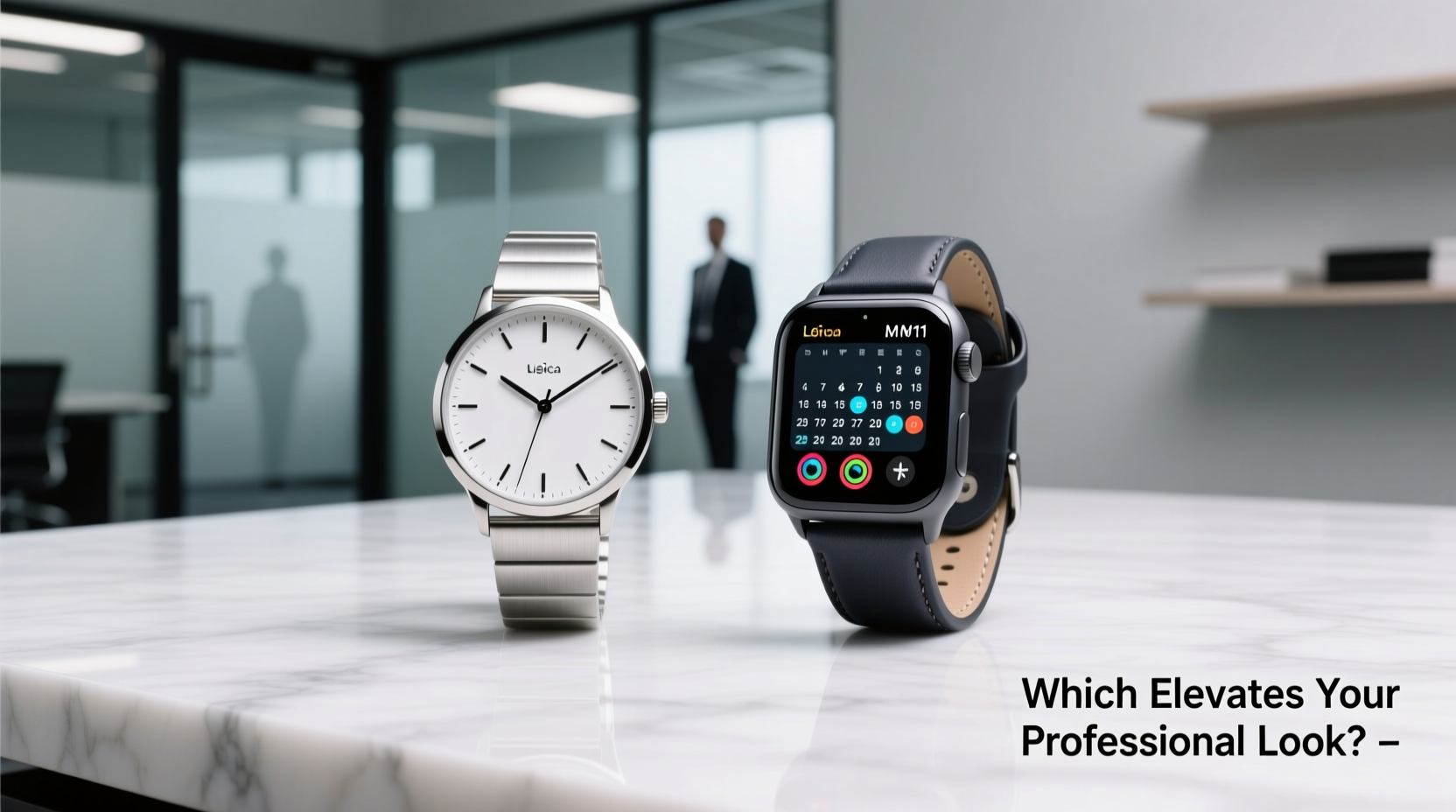
A minimalist watch is characterized by clean lines, understated dials, slim profiles, and neutral color palettes. Often crafted from stainless steel, leather, or titanium, these watches prioritize design over complexity. Brands like Nomos, Junghans, and Daniel Wellington exemplify this aesthetic—where less is genuinely more.
In contrast, a smartwatch integrates digital functionality—heart rate tracking, notifications, GPS, voice assistants, and app integration—into a wearable device. Apple Watch, Samsung Galaxy Watch, and Garmin models dominate this space. These watches are designed for connectivity, health monitoring, and productivity.
Functionally, they serve different purposes. Aesthetically, they communicate vastly different messages.
Professional Perception: What Your Watch Says About You
Your accessories don’t just complement your outfit—they shape how others perceive you. In professional environments, especially those rooted in tradition or client-facing roles, subtlety often trumps spectacle.
Wearing a minimalist watch signals intentionality, restraint, and respect for classic design principles. It suggests that you value precision, craftsmanship, and discretion. Such a choice aligns well with industries like law, finance, consulting, and high-end hospitality, where conservative aesthetics reinforce credibility.
“Timelessness never goes out of style. A simple watch tells people you’re focused on substance, not novelty.” — Marcus Lang, Executive Image Consultant
Conversely, a smartwatch broadcasts engagement with technology and efficiency. In tech startups, healthcare innovation, engineering, or fitness sectors, this can be a positive signal—indicating you're data-driven, proactive, and forward-thinking. However, in formal meetings or traditional boardrooms, the constant buzz of notifications or the glow of a screen during conversation may be interpreted as distraction or lack of decorum.
Tip: If you wear a smartwatch professionally, disable non-essential notifications and use a classic-style band to reduce its “tech” appearance.Design & Aesthetic Impact: Form Meets Function
Let’s compare key visual and functional elements that influence professional perception.
| Feature | Minimalist Watch | Smartwatch |
|---|---|---|
| Dial Design | Clean, uncluttered, often monochrome; focus on legibility | Bright, customizable, frequently animated or interactive |
| Material Quality | Stainless steel, sapphire crystal, genuine leather | Aluminum, plastic composites, silicone straps (premium models excepted) |
| Thickness & Weight | Thin profile, light to medium weight | Bulkier due to battery and sensors |
| Customization | Limited to strap changes; dial fixed | Faces, bands, colors, widgets—all changeable digitally |
| Longevity of Style | Decades-long relevance; immune to trend cycles | Subject to obsolescence every 2–3 years |
The minimalist watch wins in terms of enduring elegance. Its design avoids distractions, drawing attention only when necessary. A well-chosen piece becomes part of your signature look—an extension of your wardrobe rather than a gadget.
Smartwatches, while sleeker than ever, still carry the aura of consumer electronics. Even the most premium models age quickly, both technologically and stylistically. Their screens demand interaction, subtly shifting focus away from the person wearing it.
Context Matters: When to Choose Which
No single accessory fits all situations. The best professionals adapt their presentation based on environment and audience.
Consider a financial advisor meeting with long-term clients. She wears a slim silver minimalist watch with a black leather strap. Her attire is tailored, her demeanor composed. The watch complements her presence without drawing undue attention. It reinforces stability, experience, and trust.
Now imagine a software developer presenting a new AI tool to investors. He wears an Apple Watch with a Milanese loop. During his demo, he glances at incoming metrics from real-time user testing—data visible only to him. Here, the smartwatch functions as a strategic tool, enhancing his credibility as a tech-savvy innovator.
This leads to a critical insight: the appropriate watch depends on whether you want to project timeless authority or modern capability.
- Choose a minimalist watch when: attending job interviews, client pitches, networking events, formal dinners, or any setting where first impressions matter.
- Choose a smartwatch when: working in agile environments, leading fitness sessions, managing health goals, or demonstrating tech fluency in innovation-driven fields.
“In executive coaching, I advise leaders to treat their accessories like silent allies. A watch should support your message—not compete with it.” — Dr. Lena Patel, Leadership Development Specialist
Real-World Example: Two Professionals, Two Choices
Take James and Sofia, both mid-level managers aiming for promotion.
James works in corporate banking. He used to wear his Apple Watch daily but noticed colleagues commenting on his frequent glances at his wrist. His manager once remarked, “You seem distracted in meetings.” After switching to a minimalist Hamilton Khaki Field Auto, he received compliments on his “put-together” look. Within six months, he was promoted—partly due to improved perceived presence.
Sofia leads product development at a health-tech startup. She keeps her Apple Watch Ultra on at all times. During investor calls, she discreetly monitors stress levels via heart rate variability to ensure she stays calm under pressure. Her team sees her as highly organized and connected. For her role, the smartwatch isn’t just acceptable—it’s an asset.
Their stories illustrate that neither option is universally superior. The key lies in alignment: does your watch reinforce the image you need to project?
Hybrid Approach: Best of Both Worlds?
Some brands now offer hybrid smartwatches—devices that look like traditional analog watches but include subtle smart features like step tracking, sleep monitoring, and phone alerts through haptic feedback.
Examples include the Withings ScanWatch and Frederique Constant High Life Hybrid. These combine sapphire crystals, leather straps, and classic dials with behind-the-scenes intelligence. They appeal to professionals who want data without sacrificing decorum.
For instance, a surgeon might use a hybrid to track shifts and receive call alerts without breaking sterility protocols. A lawyer could monitor activity during long depositions while maintaining courtroom-appropriate appearance.
While hybrids lack full smart capabilities (no apps, no voice assistant), they strike a balance ideal for conservative yet tech-aware professionals.
Tip: Try a hybrid watch if you want health tracking and notifications without compromising professional aesthetics.Actionable Checklist: Choosing the Right Watch for Your Career
Use this checklist to determine which watch best supports your professional goals:
- Assess your industry’s dress code and cultural norms.
- Evaluate how often you interact with clients versus work in internal teams.
- Consider whether being seen as tech-forward enhances or detracts from your role.
- Ask trusted colleagues for honest feedback on your current accessories.
- Determine if you need real-time data access during work hours.
- Decide whether you prefer a long-term investment piece or rotating tech gadgets.
- Test both styles in key settings and observe reactions.
Frequently Asked Questions
Can I wear a smartwatch in a formal business meeting?
You can, but exercise caution. Ensure notifications are silenced, avoid checking it frequently, and consider using a leather band instead of a sport strap to appear more polished. In very traditional industries (e.g., law, legacy finance), a minimalist watch remains the safer choice.
Do minimalist watches have any practical benefits over smartwatches?
Absolutely. They require no charging, last decades with basic maintenance, and maintain resale value. Many automatic or quartz minimalist watches are water-resistant and durable enough for daily wear without performance degradation.
Is it unprofessional to switch between watches?
Not at all. Seasoned professionals often curate a rotation based on occasion. Just as you wouldn’t wear running shoes to a gala, adapting your watch to context shows emotional intelligence and attention to detail.
Final Verdict: Which Elevates Your Professional Look More?
If the sole criterion is **elevating professional appearance**, the minimalist watch holds a clear advantage. It embodies permanence, sophistication, and quiet confidence. Unlike devices tethered to software updates and battery life, a well-made minimalist timepiece transcends trends and speaks to enduring values—qualities highly regarded in leadership and client relations.
That said, dismissing smartwatches entirely would ignore their legitimate utility. In dynamic, fast-paced, or tech-centric roles, a smartwatch can enhance performance and perception—provided it’s used discreetly and appropriately.
The most polished professionals don’t rely on one tool for every situation. They understand nuance. They know that dressing—and accessorizing—for success means matching their tools to their goals.
“The finest details define the difference between good and exceptional. A watch isn’t just something you wear—it’s something you lead with.” — Adrian Shaw, CEO Image Advisor
Take Action: Align Your Accessories With Your Ambitions
Your wrist says more than you think. Whether you’re climbing the corporate ladder, building client trust, or launching a startup, your accessories should reflect the version of yourself you’re striving to become.
Start today: evaluate your current watch. Does it support your ambitions—or distract from them? Consider adding a minimalist timepiece to your collection, even if you keep your smartwatch for personal use. Rotate intentionally. Observe reactions. Refine your image.
💬 What does your watch say about you? Share your thoughts or experiences choosing between minimalist and smartwatches in the comments below. Let’s build a smarter conversation about professional presence.