When temperatures soar during a summer heatwave, choosing the right outfit isn't just about style—it's about survival. Two popular warm-weather wardrobe staples, the midi skirt and the maxi dress, are often praised for their elegance and coverage. But when it comes to staying cool under intense sun and humidity, which one truly wins?
The answer isn’t as simple as length or silhouette. It depends on fabric composition, cut, airflow dynamics, and how each garment interacts with your body’s natural cooling mechanisms. To make an informed decision, we need to go beyond aesthetics and examine the science of thermal comfort in clothing.
Fabric Matters Most: The Foundation of Cooling
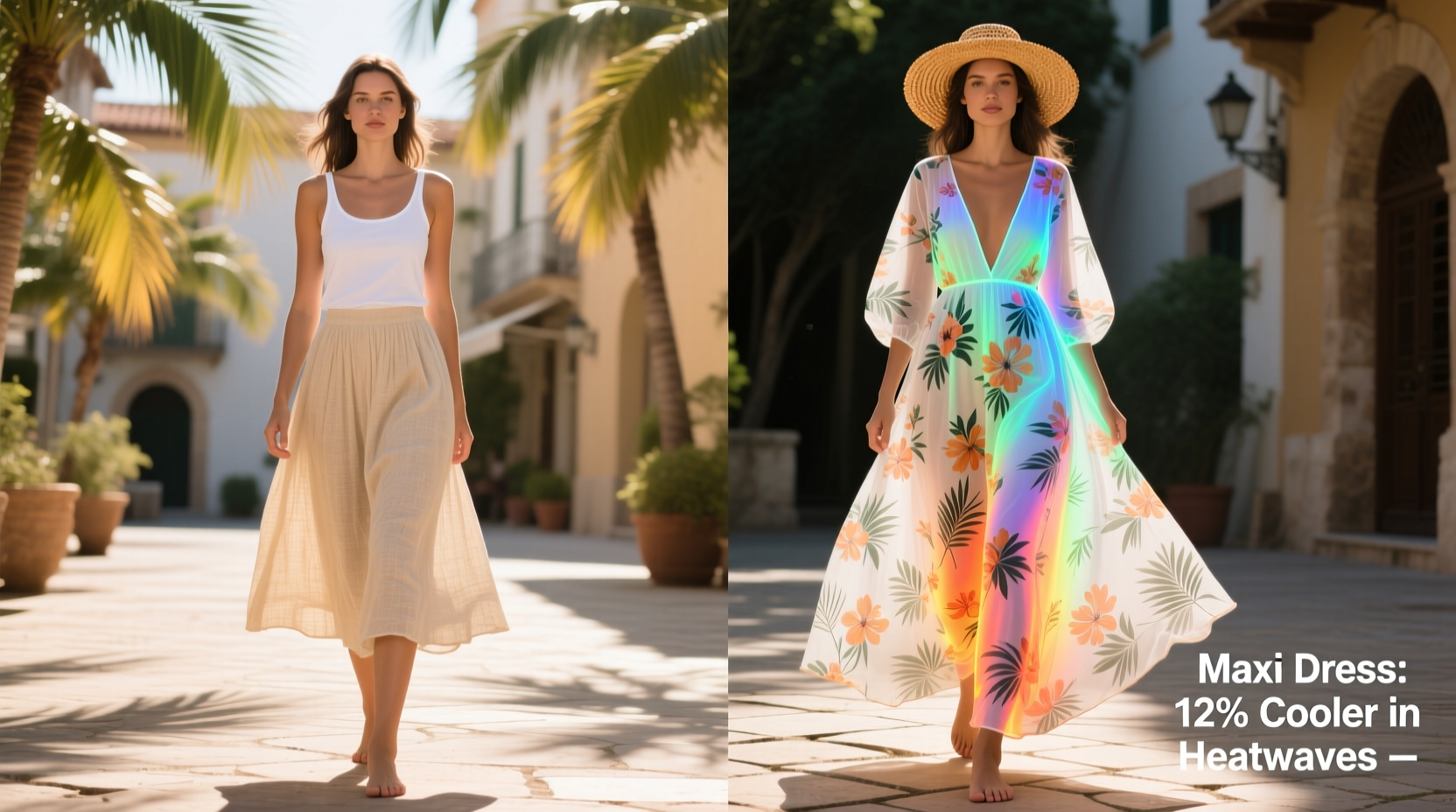
No matter the style, fabric is the single most important factor in determining how cool a garment keeps you. Natural fibers like cotton, linen, hemp, and rayon (especially TENCEL™) allow air to circulate and wick moisture away from the skin. In contrast, synthetic materials such as polyester, nylon, and spandex trap heat and resist evaporation, increasing discomfort in high temperatures.
Linen, for example, is highly breathable and absorbs moisture without feeling damp—making it ideal for both midi skirts and maxi dresses. Cotton is soft and absorbent but can cling when soaked in sweat. Rayon blends offer a silky feel with moderate breathability, though they may wrinkle easily.
Tip: Always check the fabric label. Opt for 100% linen or cotton-linen blends in hot weather—they’re naturally thermoregulating.Airflow Dynamics: How Clothing Affects Ventilation
Cooling happens primarily through convection (air moving over the skin) and evaporation (sweat turning into vapor). Loose-fitting garments enhance both processes by allowing air to flow freely around the body. Tight clothing restricts movement and traps warm, moist air close to the skin.
Midi skirts typically have a fitted waistband and flare out below the hips, creating a chimney effect: warm air rises between the legs and exits at the hem, drawing in cooler air from below. This subtle circulation helps regulate leg temperature—a major factor in overall comfort.
Maxi dresses, especially those with wide sleeves and loose silhouettes like empire waists or kimono cuts, also promote airflow. However, full-length coverage means less exposed skin for direct evaporative cooling. If the dress is too tight or made from non-breathable fabric, it can act like a sauna suit, raising core body temperature.
“Loose weaves and open structures in clothing significantly improve microclimate ventilation. Garments that move with the body create intermittent airflow, which enhances cooling more than static coverage.” — Dr. Lena Torres, Textile Biophysics Researcher, Institute for Sustainable Apparel
Comparing Coverage: Skin Exposure vs. Sun Protection
At first glance, exposing more skin seems like the best way to stay cool. But in extreme heat, especially under direct sunlight, uncovered skin can absorb radiant heat faster than shaded areas lose it. This paradox means that sometimes, covering up is actually cooler.
UV radiation heats the skin surface, triggering increased blood flow and sweating. While sweating cools you down, excessive exposure leads to dehydration and overheating. Lightweight, loose-fitting maxi dresses made from UV-protective fabrics can block solar gain while still permitting airflow—offering a net cooling benefit over bare legs in midday sun.
In contrast, midi skirts expose the lower legs, which can be refreshing in shaded environments or breezy conditions. But in direct sunlight, especially on reflective surfaces like concrete or sand, this exposure increases radiant heat absorption.
| Factor | Midi Skirt | Maxi Dress |
|---|---|---|
| Exposed Skin Area | High (lower legs) | Low (only arms/neck) |
| Sun Protection | Limited | Excellent (if UPF fabric used) |
| Air Circulation Potential | High (especially with A-line cut) | Moderate to High (depends on fit) |
| Mobility & Heat Trapping | Low risk | Potential if tight or synthetic |
| Cooling Efficiency (Shaded/Breezy) | ★★★★☆ | ★★★☆☆ |
| Cooling Efficiency (Sunny/Still Air) | ★★☆☆☆ | ★★★★☆ |
Real-World Scenario: Beach Town Heatwave
Consider Maria, a resident of Santa Barbara, California, enduring a record-breaking July heatwave with temperatures hitting 102°F (39°C) and strong coastal sun. She has two outfits for a daytime market visit:
- A navy blue linen midi skirt paired with a cropped cotton tank top.
- A flowing white cotton maxi dress with short sleeves and a V-neck.
On her first trip, she wears the midi skirt. Within 20 minutes, her calves begin to burn despite sunscreen, and the asphalt radiates heat upward. She feels sticky and overheated, even though there’s a slight breeze.
The next day, she tries the maxi dress. Though fully covered, the loose fabric flutters with every step, creating airflow. The light color reflects sunlight rather than absorbing it. After an hour outside, she’s sweating less and feels more comfortable overall—even though she’s wearing more fabric.
This scenario illustrates a key insight: in high-radiation environments, strategic coverage with breathable materials can outperform skin exposure for thermal comfort.
Design Features That Enhance Cooling
Not all midi skirts or maxi dresses are created equal. Specific design elements dramatically affect cooling performance:
- Slits and vents: Maxi dresses with side slits allow leg movement and air intake, mimicking some benefits of shorter hemlines.
- Waist definition: Cinched waists on maxi dresses can restrict breathing and limit abdominal expansion, increasing perceived heat.
- Hem width: Full, flared midi skirts generate more airflow than pencil styles.
- Sleeveless vs. capped sleeves: Sleeveless maxi dresses increase arm exposure, aiding cooling—but only if not in direct sun.
- Neckline depth: Deep necklines improve heat dissipation from the chest and neck, major zones for thermoregulation.
Step-by-Step Guide: Choosing Your Coolest Summer Outfit
Follow this decision-making process to pick the best option based on current conditions:
- Assess the environment: Is it sunny or shaded? Humid or dry? Windy or still?
- Evaluate sun exposure: Will you be walking long distances outdoors? If yes, prioritize UV protection.
- Check fabric content: Look for natural, lightweight, loosely woven materials. Avoid blends with more than 20% synthetic fiber.
- Consider activity level: For walking or standing, choose garments that move with you. Avoid restrictive waistbands or tight bodices.
- Choose color wisely: Light colors reflect heat; dark colors absorb it. Opt for white, beige, pastels, or silver-toned fabrics.
- Add accessories strategically: Pair a midi skirt with UV-blocking leggings or wear a wide-brimmed hat with a maxi dress for extra protection.
- Test before committing: Wear the outfit indoors on a hot day. Walk around, sit, and stand. Does it feel clammy or breezy?
Expert Insight: What Fashion Designers Know About Heat
Leading sustainable fashion designers increasingly incorporate climate-responsive design principles into their collections. Many draw inspiration from traditional garments worn in hot regions—like the Middle Eastern thobe, Indian kurta, or West African boubou—all of which emphasize loose, flowing fabric and full coverage.
“In Mali, people wear heavy cotton robes in 115°F heat because the fabric breathes and shields them from the sun. We’ve forgotten that covering up can be smarter than stripping down.” — Amara Diallo, Ethical Fashion Designer and Climate Adaptation Advocate
This cultural wisdom aligns with modern textile research: effective cooling isn’t just about minimizing fabric—it’s about managing the microclimate between clothing and skin.
Checklist: Stay Cool in Summer Heatwaves
Use this checklist before selecting any summer outfit:
- ✅ Fabric is 100% natural or high-natural blend (linen, cotton, TENCEL™)
- ✅ Garment is loose-fitting with room for air circulation
- ✅ Color is light to reflect sunlight
- ✅ Hem allows movement (slits, flares, or tiered layers)
- ✅ Neckline and sleeves permit heat release
- ✅ No tight elastic bands or constricting seams
- ✅ Pre-worn test confirms comfort during motion
Frequently Asked Questions
Can a maxi dress really be cooler than shorts or a skirt?
Yes—when made from breathable fabric and worn in direct sunlight. Covering the skin reduces radiant heat absorption, and loose designs promote convective cooling. In still, sunny conditions, a well-designed maxi dress can feel cooler than exposed limbs.
Are midi skirts better for humid climates?
They can be—if made from quick-drying fabrics like linen and worn in shaded or breezy areas. However, in high-humidity outdoor settings with little airflow, the lack of sun protection may outweigh the benefits of leg exposure.
What should I avoid in a heatwave?
Avoid tight silhouettes, dark colors, synthetic blends, and non-breathable finishes (like coatings or laminates). Also skip garments that rub or restrict movement, as friction generates additional body heat.
Final Verdict: It Depends on Conditions
There is no universal winner between the midi skirt and the maxi dress when it comes to beating the heat. Each excels under different circumstances:
- Choose a midi skirt when you're in shaded areas, near water, or experiencing strong breezes. Ideal for casual outings, garden parties, or evenings with mild temperatures.
- Opt for a maxi dress when facing prolonged sun exposure, high UV index, or still, radiant heat. Best for daytime errands, travel, or events without reliable shade.
The smartest approach is versatility. Build a summer wardrobe that includes both options in appropriate fabrics. Rotate based on daily weather forecasts, time of day, and planned activities. Smart dressing isn’t about following trends—it’s about adapting to your environment with intention.
💬 What’s your go-to heatwave outfit? Share your favorite cooling combo in the comments and help others beat the summer heat in style!