
Water kefir is a refreshing, effervescent, probiotic-rich beverage that’s simple to make and endlessly customizable. Unlike dairy-based kefir, water kefir is made from fermented sugar water using water kefir grains—symbiotic cultures of bacteria and yeast that thrive in a sweet liquid medium. For those new to fermentation, it offers an accessible entry point into the world of homemade gut-friendly drinks. With the right knowledge, anyone can produce consistent, delicious batches right from their kitchen.
Understanding Water Kefir Grains and Fermentation Basics
Water kefir grains are not actual grains but gelatinous clusters of beneficial microorganisms held together by a polysaccharide matrix. These living cultures consume sugar and produce lactic acid, carbon dioxide, and trace amounts of alcohol, resulting in a tangy, slightly fizzy drink rich in probiotics. The fermentation process typically takes 24 to 48 hours at room temperature and requires only a few basic ingredients: water, sugar, and optionally dried fruit or mineral sources to support grain health.
The key to success lies in understanding that these grains are alive and sensitive to environmental conditions. Chlorine, extreme temperatures, and metal utensils can harm them. Using filtered or spring water and non-metallic tools ensures a healthy fermentation environment.
“Water kefir is one of the most versatile and beginner-friendly ferments. With minimal equipment and attention to detail, you can create a beverage that supports digestion and boosts immunity.” — Dr. Lena Torres, Microbiome Researcher and Fermentation Advocate
Step-by-Step Guide to Brewing Your First Batch
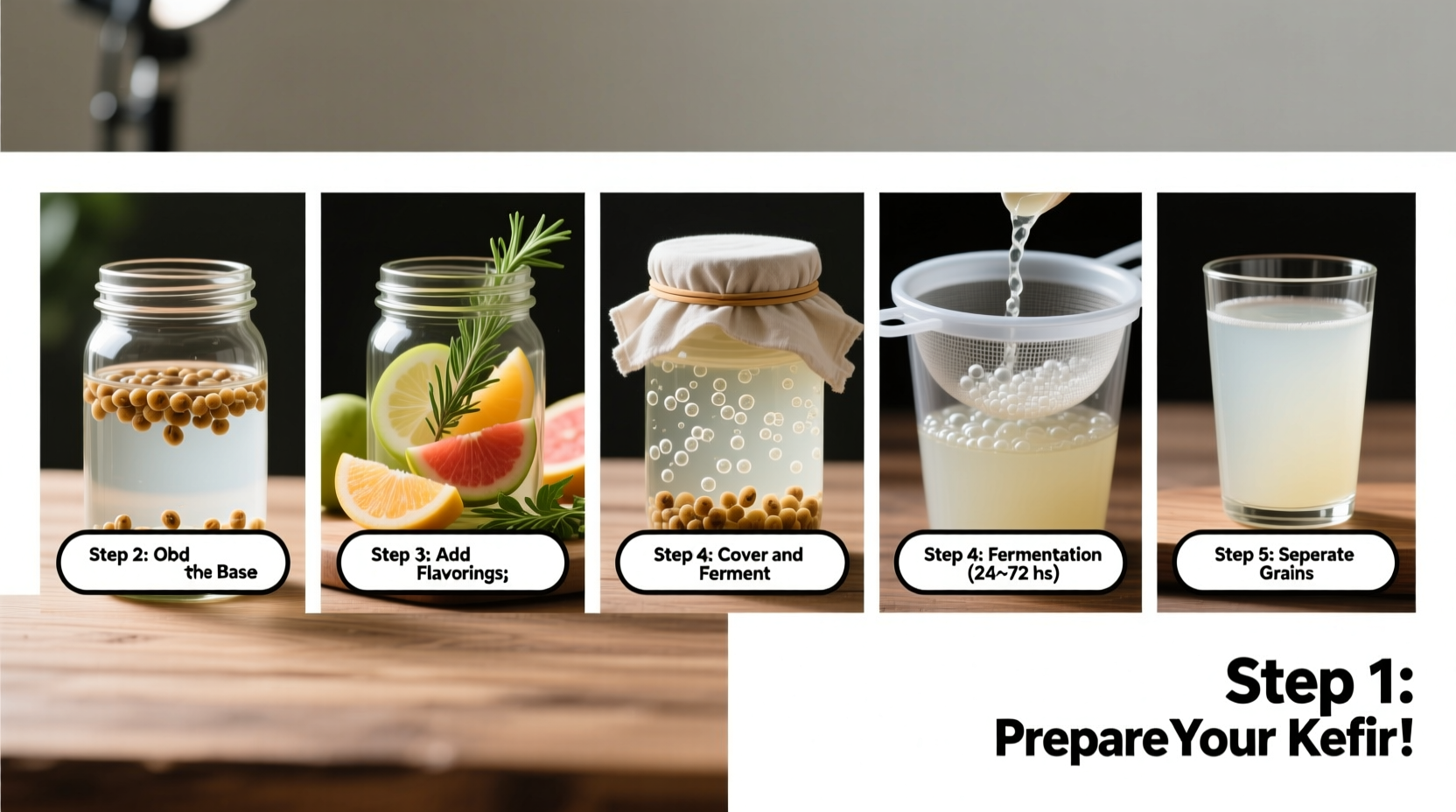
Brewing water kefir is straightforward when broken down into clear stages. Follow this timeline for your first successful batch:
- Day 1 – Prepare Ingredients: Gather 1/4 cup water kefir grains, 1/3 cup organic cane sugar, 4 cups filtered or spring water, 1–2 dried figs or raisins (optional), and a clean glass jar (quart-sized).
- Dissolve Sugar: Heat 1 cup of water to help dissolve the sugar completely, then add 3 cups cool water to bring the mixture to room temperature.
- Add Grains and Extras: Pour the sugar water into the jar, add the kefir grains, and include a piece of dried fruit (avoid sulfite-treated fruit) or a small piece of unrefined mineral source like molasses or a clean eggshell fragment to support grain vitality.
- Cover and Ferment: Secure the jar with a coffee filter or cloth and a rubber band to allow airflow while keeping contaminants out. Store in a warm, dark place (68–78°F / 20–25°C) for 24–48 hours.
- Strain and Taste: After 48 hours, strain out the grains using a plastic or silicone strainer. The liquid should taste mildly sweet and tangy. If too sweet, ferment longer next time.
- Second Fermentation (Optional): Transfer the strained liquid to a sealed bottle with fruit juice, zest, or herbs. Let sit another 24–48 hours at room temperature to build carbonation.
- Refrigerate and Enjoy: Chill before opening to reduce fizz explosion risk. Serve cold and enjoy within 1–2 weeks.
Essential Equipment and Ingredient Checklist
To get started, ensure you have the following items on hand:
- Glass jars (1-quart size recommended)
- Plastic or silicone mesh strainer (never metal)
- Coffee filters or breathable cloth covers
- Rubber bands or jar lids with airlocks
- Non-metal stirring utensil (wooden or plastic)
- Bottles with tight-sealing caps for second fermentation
- Filtered or spring water
- Organic cane sugar or sucanat
- Water kefir grains (obtained from a reputable source)
- Dried fruit (unsulfured) or mineral boosters
Common Pitfalls and How to Avoid Them
New brewers often encounter challenges due to minor oversights. Below is a comparison table outlining common mistakes and their solutions:
| Issue | Causes | Solutions |
|---|---|---|
| Flat, non-carbonated kefir | Lack of second ferment, poor sealing, low sugar | Add juice or fruit in airtight bottles; ferment 1–2 days at room temp |
| Grains stop multiplying or become slimy | Chlorine exposure, contaminated fruit, incorrect sugar type | Use filtered water; avoid honey or artificial sweeteners |
| Overly sour or alcoholic taste | Over-fermentation, high temperature | Reduce primary ferment time; keep below 78°F (25°C) |
| Mold on surface | Contaminated ingredients, inadequate covering | Discard batch; sterilize equipment; use breathable but secure cover |
Real Example: Sarah’s First Month of Water Kefir Success
Sarah, a 34-year-old teacher from Portland, decided to try water kefir after experiencing digestive discomfort. She began with a small starter kit from a local fermentation group. Her first batch was overly sweet because she used only 24 hours of fermentation. After reading about optimal times, she extended her primary ferment to 48 hours and added a dried fig for minerals. By her third batch, she noticed improved consistency and flavor. On week four, she introduced a second ferment with ginger and lemon juice, creating a sparkling tonic she now enjoys daily. Her grains doubled in volume within three weeks, and she even shared extras with a friend. Sarah credits her success to patience, consistent temperature control, and avoiding metal contact.
Frequently Asked Questions
Can I use honey or stevia instead of sugar?
No. Water kefir grains require sucrose (table sugar, cane sugar, etc.) to thrive. Honey contains antibacterial properties that can damage the culture, and non-nutritive sweeteners provide no food for the microbes. Stick to real sugar for healthy grains.
How do I know if my kefir has gone bad?
Healthy water kefir smells pleasantly yeasty or slightly fruity. If you detect mold (fuzzy spots), black discoloration, or a putrid odor, discard the batch and sanitize all equipment. A thin white film may be harmless yeast; assess smell and taste before continuing.
Can I take a break from brewing?
Yes. To pause fermentation, place the grains in fresh sugar water and store in the refrigerator. Change the solution every 7–10 days. This slows fermentation and keeps grains viable for up to 3 weeks. For longer breaks, consider drying or gifting them.
Flavoring and Creative Variations
One of the joys of water kefir is its versatility. During the second fermentation, experiment with natural flavorings such as:
- Fresh or frozen berries
- Ginger root and lemon slices
- Pineapple or mango juice
- Herbs like mint or basil
- Vanilla bean or cinnamon stick
These additions not only enhance taste but also contribute additional nutrients and influence the microbial profile. Limit juice to 10–20% of the total volume to prevent overcarbonation or excessive alcohol production.
Tip: When bottling for carbonation, \"burp\" the bottles daily by slightly loosening the cap to release excess pressure and avoid explosions.Conclusion: Start Your Fermentation Journey Today
Mastering water kefir fermentation is more than just making a drink—it’s cultivating a daily ritual that supports long-term wellness. With minimal investment and consistent care, you can transform plain sugar water into a vibrant, gut-supportive beverage tailored to your taste. Each batch builds confidence and deepens your connection to the invisible world of beneficial microbes. Whether you're seeking better digestion, a soda alternative, or a creative kitchen project, water kefir delivers on all fronts.
💬 Ready to begin? Share your first batch results or ask questions in the comments—let’s grow a community of thriving fermenters together!








