
Dungeons & Dragons is more than just dice rolls and combat—it’s a collaborative storytelling experience. At the heart of every great campaign lies a cast of compelling characters. While mechanics matter, what truly elevates a game is a character who feels real, with depth, motivation, and quirks that make them unforgettable. Creating such a character isn’t about picking the most powerful stats; it’s an art form blending imagination, roleplay, and thoughtful design. Whether you’re a first-time player or a seasoned veteran, this guide walks you through crafting a D&D character who stands out in both narrative and gameplay.
Step 1: Define Your Character’s Core Identity
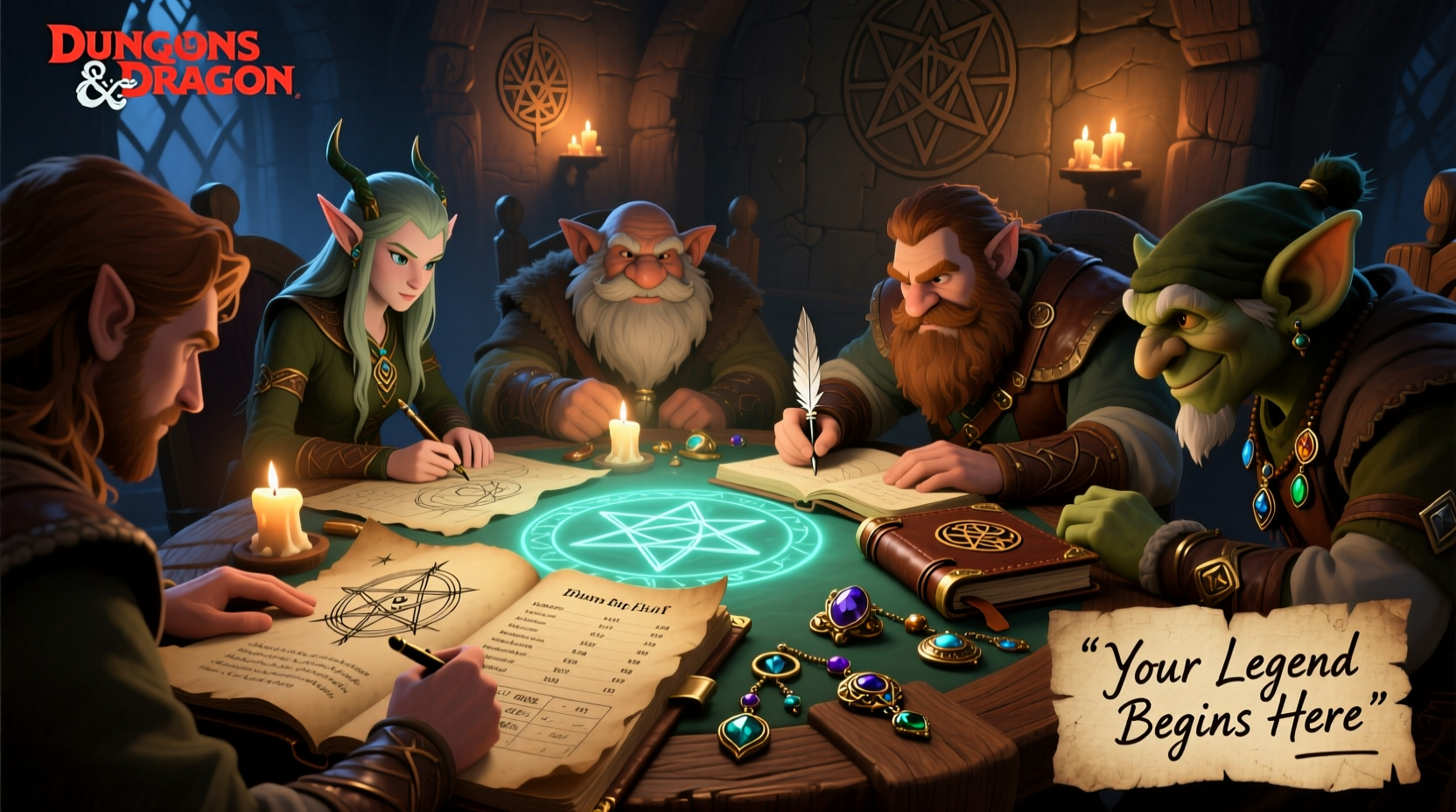
Before rolling dice or choosing a class, ask: Who is this person? A strong character begins with a clear identity rooted in personality, background, and worldview. Consider their upbringing, values, fears, and dreams. Are they haunted by past betrayal? Driven by justice? Motivated by greed or redemption?
Start with three key questions:
- What does your character want more than anything?
- What are they afraid of losing?
- How do they react under pressure?
These answers form the emotional foundation of your character. For example, a half-orc barbarian might not just be “angry”—perhaps they struggle with societal prejudice and channel rage into protection of the vulnerable.
Tip: Write a two-sentence backstory before touching the rulebook. This keeps your concept central throughout character creation.Step 2: Choose Race and Class with Purpose
Race and class should enhance your character’s story, not dictate it. Instead of defaulting to optimal builds, ask how these choices reflect who your character is.
A wood elf rogue doesn’t have to be a thief—maybe they’re a former scout exiled for disobeying orders to save civilians. A dwarf cleric of the Forge domain might venerate craftsmanship as sacred, viewing every weapon they bless as a prayer in steel.
Use the following table to align mechanical traits with narrative potential:
| Race | Common Traits | Narrative Opportunity |
|---|---|---|
| Tiefling | Fire resistance, darkvision, infernal legacy | Struggles with prejudice despite never embracing evil |
| Gnome | High Intelligence, illusion magic, curiosity | Scientist exploring magic as a natural phenomenon |
| Half-Orc | Strength, endurance, intimidation | Seeks to redefine strength as protection, not violence |
| Dragonborn | Breath weapon, pride, clan loyalty | Clanless exile seeking a new code of honor |
“Mechanics should serve the story, not the other way around. The best characters surprise even their players.” — Matt Colville, RPG Designer and Content Creator
Step 3: Build a Believable Backstory
Your character didn’t appear out of thin air. They have history—relationships, triumphs, failures. A well-crafted backstory provides plot hooks for the DM and depth for roleplay.
Focus on pivotal life events:
- Origin: Where were they born? What shaped their early beliefs?
- Catalyst: What event pushed them toward adventuring? (e.g., lost family, quest for knowledge, fleeing danger)
- Current Goal: What drives them now? Treasure? Truth? Redemption?
- Secret: What don’t others know? A hidden identity, guilt over a past act, or a dormant power?
Avoid overwriting. Three to five concise paragraphs are often enough. Leave room for the story to grow during play.
Mini Case Study: Elara the Reluctant Healer
Elara, a human cleric of the Life Domain, was once a battlefield medic in a brutal war. She saved hundreds but couldn’t save her younger brother, who died in her arms after she chose to aid a superior officer instead. Now, she travels the land healing the sick—but refuses to enter combat zones. Her flaw: she freezes when faced with mass casualties. Her bond: she carries her brother’s tattered scarf. This backstory gives the DM opportunities to challenge her emotionally, making her growth part of the campaign arc.
Step 4: Align Mechanics with Personality
Ability scores, skills, and equipment should reflect your character’s life—not just optimize damage output. A scholarly wizard likely has high Intelligence and owns annotated spellbooks, while a street-smart rogue may have high Charisma and a network of informants.
Consider these adjustments:
- Swap standard ability prioritization if it fits the story (e.g., a clumsy but insightful wizard).
- Choose skills that match background (Persuasion for a diplomat, Survival for a hermit).
- Pick starting equipment that tells a story (a cracked family heirloom shield, a journal filled with sketches).
Step 5: Develop Roleplaying Quirks and Mannerisms
What makes your character recognizable in a crowded tavern? It’s the little things: a nervous tic, a catchphrase, a habit like polishing their dagger when thinking.
Integrate at least three distinct mannerisms:
- Vocal pattern: Do they speak formally? Use slang? Stutter when lying?
- Physical gesture: Tapping fingers, adjusting glasses, crossing arms when defensive.
- Moral stance: Do they always pay debts? Refuse to kill captives? Bow to nobles out of habit?
These details make your character feel alive and give other players cues for interaction.
Checklist: Building a Unique D&D Character
- Define core motivation and fear
- Select race and class that support the concept
- Write a concise, hook-rich backstory
- Align stats and skills with personality
- Add 2–3 memorable quirks or habits
- Choose meaningful starting gear
- Discuss backstory with DM for integration
- Leave room for growth and change
Common Pitfalls to Avoid
Even experienced players fall into traps that weaken character immersion. Be mindful of the following:
| Do | Don’t |
|---|---|
| Create flaws that create roleplay opportunities | Create flaws that hinder the party without consent (e.g., chronic insubordination) |
| Collaborate with the DM on backstory hooks | Arrive with a fully formed legend that overshadows the world |
| Play a character different from yourself | Rehash tired tropes (edgy loner, chaotic evil prankster) |
| Let your character evolve through play | Stick rigidly to a script regardless of events |
FAQ
Can I play a powerful character without breaking game balance?
Yes—focus on balanced builds and work with your DM. A well-rounded character contributes meaningfully without overshadowing others. Avoid min-maxing at the expense of personality.
How do I make my character stand out in a group?
Emphasize contrast. If the party is serious, a lighthearted bard with tragic undertones creates dynamic tension. Distinct voice, goals, and reactions ensure your character leaves an impression.
What if my character’s backstory conflicts with the campaign setting?
Collaborate with your DM to adapt elements. A desert-born ranger can still exist in a frozen north if their journey there is explained. Flexibility strengthens integration.
Conclusion: Bring Your Character to Life
Creating a unique D&D character is an invitation to explore identity, morality, and transformation through play. It’s not about perfection—it’s about presence. A character with vulnerabilities, history, and heart will resonate far longer than one built solely for efficiency. Use this guide not as a rigid formula, but as a framework to inspire creativity and depth.
💬 Ready to roll? Grab your dice, sketch your next adventurer, and bring them to life at the table. Share your favorite character-building tip in the comments—your insight might inspire someone’s next legendary hero.