After a long day on your feet, slipping into something comfortable feels like a small luxury. For many, that means reaching for flip flops or a new trend—acupressure massage slippers. Marketed as wellness wear, these textured sandals promise more than just relief; they claim to stimulate pressure points, improve circulation, and even reduce stress. But how do they stack up against the classic flip flop in terms of real benefits, comfort, and practicality? Let’s take an honest look at what each offers and whether acupressure sandals live up to the hype.
The Anatomy of Footwear: Flip Flops vs Massage Slippers
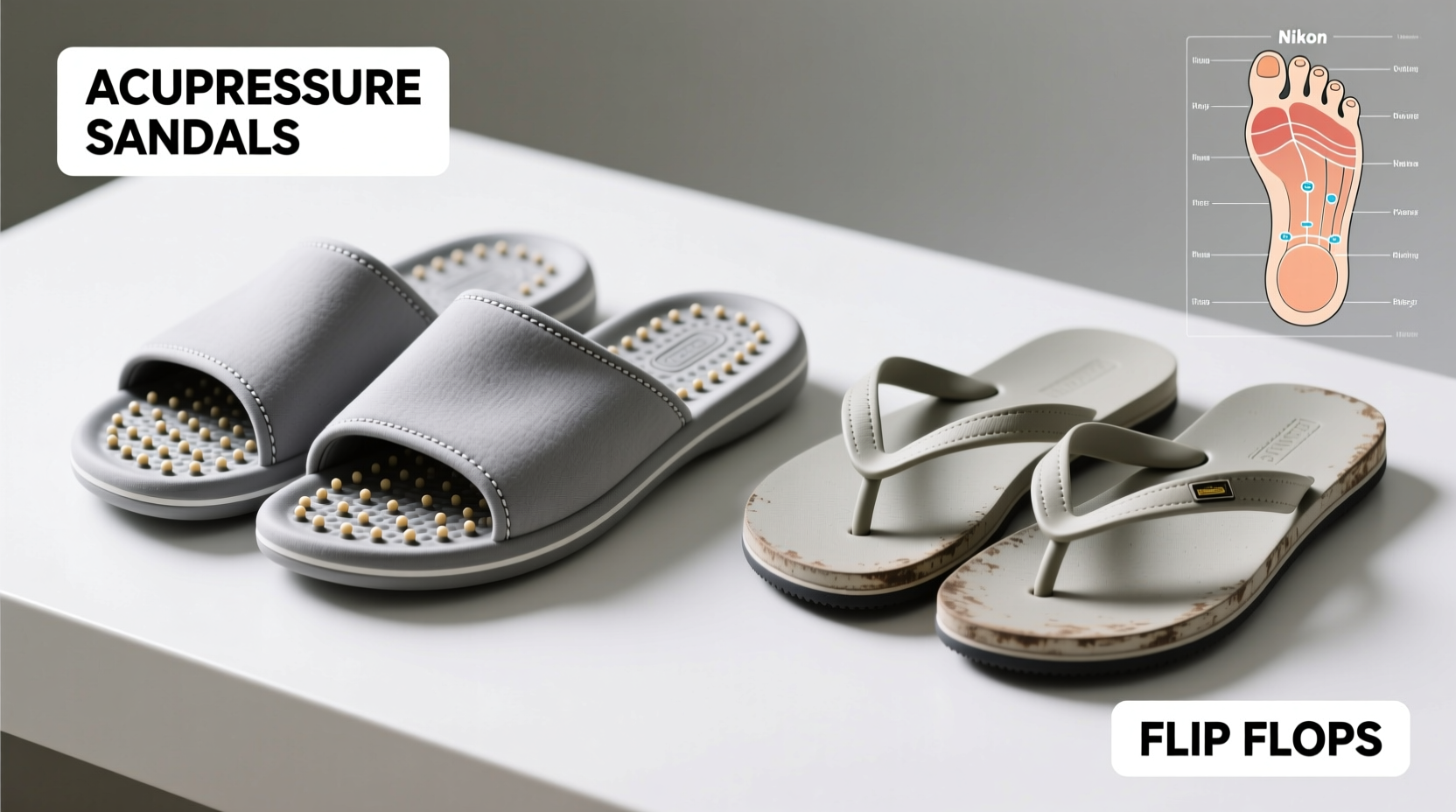
At first glance, both flip flops and massage slippers appear similar—open-toed, lightweight, easy to slip on. However, their design philosophy diverges significantly.
Flip flops are minimalist by nature. They typically feature a flat sole, a thin strap between the big and second toe, and little to no arch support. Their appeal lies in convenience and breathability, making them ideal for beach trips, showers, or quick errands.
Massage slippers, on the other hand, are engineered with therapeutic intent. These sandals incorporate raised nodules, ridges, or textured surfaces designed to mimic acupressure techniques. Some models include reflexology maps, targeting zones believed to correspond to organs and systems in the body. Materials often include memory foam, EVA cushioning, or antimicrobial fabrics to enhance comfort and hygiene.
The core difference isn’t just texture—it’s purpose. Flip flops prioritize ease; massage slippers aim to deliver passive therapy through every step.
Do Acupressure Sandals Actually Work?
The concept behind acupressure is rooted in traditional Chinese medicine, which holds that applying pressure to specific points on the feet can influence energy flow (qi) and promote healing. While modern science remains cautious about qi, studies suggest that targeted foot stimulation may have measurable physiological effects.
A 2020 review published in the *Journal of Evidence-Based Integrative Medicine* found that acupressure applied to the soles of the feet showed modest improvements in plantar fasciitis symptoms and circulation in diabetic patients. Another study from the *BMC Complementary Medicine and Therapies* journal noted reduced lower back pain and fatigue among office workers who wore reflexology insoles for six weeks.
“While not a cure-all, mechanical stimulation from textured insoles can activate sensory nerves, potentially reducing muscle tension and improving proprioception.” — Dr. Lena Patel, Podiatrist & Biomechanics Researcher
That said, results vary widely. The effectiveness of massage slippers depends on individual foot structure, walking patterns, and consistency of use. They won’t replace medical treatment for chronic conditions, but they may offer subtle, cumulative benefits—especially for people who stand or walk frequently.
Tip: Start with short sessions (15–20 minutes) when using acupressure slippers to avoid soreness. Gradually increase wear time as your feet adapt.Comparing Comfort, Support, and Daily Usability
Functionality matters just as much as therapy. No matter how beneficial a product claims to be, if it’s uncomfortable or impractical, it won’t last in your rotation.
| Feature | Flip Flops | Massage Slippers |
|---|---|---|
| Arch Support | Minimal to none | Often included, varies by brand |
| Cushioning | Low (unless premium) | Moderate to high |
| Stability | Poor (toe-gripping required) | Better (wider base, heel cup) |
| Therapeutic Value | None | Potential (depends on design) |
| Durability | Short-term (3–6 months average) | Moderate to long (6–12+ months) |
| Indoor/Outdoor Use | Both, but limited traction | Mainly indoor; some all-surface models |
From this comparison, it’s clear that massage slippers generally outperform flip flops in structural support and intended function. However, they’re not always suited for outdoor wear. Many lack adequate traction or weather resistance, making them best reserved for home use.
Real-World Experience: A Teacher’s Footwear Shift
Sarah, a 42-year-old elementary school teacher from Portland, spent over a decade wearing flip flops during summer breaks and casual Fridays. “I loved how easy they were,” she says, “but I’d often end the day with sharp heel pain.” After being diagnosed with mild plantar fasciitis, her podiatrist suggested trying supportive footwear—even at home.
Skeptical but willing, Sarah purchased a pair of acupressure slippers with contoured footbeds and nodule zones aligned with reflexology charts. “The first few days were weird—kind of prickly underfoot,” she admits. “But after a week, I noticed my morning foot stiffness was less intense.”
Now, she wears them during grading sessions and around the house. “They’re not curing anything, but my feet feel more ‘awake’ and less achy. I still wear flip flops to the pool, but I don’t live in them anymore.”
Sarah’s experience reflects a common pattern: incremental improvement rather than instant relief. The value emerges not from dramatic transformation, but from consistent, low-impact stimulation paired with better biomechanics.
Choosing What’s Right for Your Lifestyle
The decision between flip flops and massage slippers shouldn’t be binary. Both have roles to play—but understanding your needs is key.
- Choose flip flops if: You need ultra-lightweight footwear for swimming, showers, or occasional warm-weather wear.
- Choose massage slippers if: You spend long hours standing, suffer from foot fatigue, or want to integrate gentle self-care into your routine.
- Consider both: Rotate based on activity. Save flip flops for outdoors and reserve massage slippers for recovery at home.
For optimal foot health, neither should be worn exclusively. Podiatrists recommend alternating footwear to prevent overuse strain and encourage balanced muscle engagement.
Step-by-Step Guide to Transitioning to Massage Slippers
- Evaluate your current foot health: Note any pain, swelling, or numbness before starting.
- Select a reputable brand: Look for slippers with ergonomic shaping and non-slip soles.
- Start slow: Wear for 15–20 minutes per day, increasing gradually over two weeks.
- Monitor response: Track changes in comfort, energy levels, or pain reduction.
- Combine with stretching: Add simple foot and calf stretches to enhance circulation.
- Replace when worn: Nodules flatten over time; most last 6–12 months with regular use.
Frequently Asked Questions
Can massage slippers help with plantar fasciitis?
They may provide symptomatic relief by stimulating blood flow and supporting the arch, but they are not a substitute for medical treatment. Used alongside stretching, proper footwear, and rest, they can be part of a broader management plan.
Are acupressure sandals safe for people with diabetes?
Proceed with caution. Individuals with neuropathy may not feel excessive pressure or irritation, increasing the risk of unnoticed injury. Consult a healthcare provider before use.
Do I need to wear socks with massage slippers?
Not necessarily, but wearing moisture-wicking socks can reduce friction and keep the slippers hygienic. Avoid thick socks that alter fit or cushioning alignment.
Tip: Clean your massage slippers weekly with a damp cloth and mild soap. Allow them to air dry completely to prevent odor and bacterial buildup.Final Verdict: Are They Worth It?
Massage slippers aren’t miracle devices, nor are they universally superior to flip flops. Their worth depends on context. If you're looking for throwaway summer footwear, stick with flip flops. But if you want a functional upgrade for home wear—one that blends comfort with light therapeutic benefit—acupressure sandals are a reasonable investment.
Think of them not as replacements, but as tools. Like a foam roller or a supportive pillow, their value comes from consistent, mindful use. When chosen wisely and integrated into a healthy foot care routine, they can contribute to greater daily comfort and awareness.
Ultimately, your feet carry you through life. Giving them thoughtful support—whether through ancient principles or modern design—is rarely a waste of effort.
💬 Have you tried acupressure slippers? Share your experience below—what worked, what didn’t, and what you’d recommend to others.








