For parents navigating the world of children's fashion, the decision between a luxury toddler blouse and a budget-friendly alternative isn't just about price. It’s a choice that involves durability, comfort, style longevity, and even emotional value. Designer labels like Burberry, Ralph Lauren Kids, or Mini Boden promise premium craftsmanship, while high-street retailers such as Carter’s, H&M, or Target offer affordability and accessibility. But do these designer blouses deliver enough added value to justify their steep price tags? Or can smart shopping at lower price points yield equally satisfying results?
This article breaks down the real differences between luxury and budget toddler blouses, evaluates when splurging makes sense, and offers practical guidance for making informed wardrobe decisions.
Material Quality and Craftsmanship
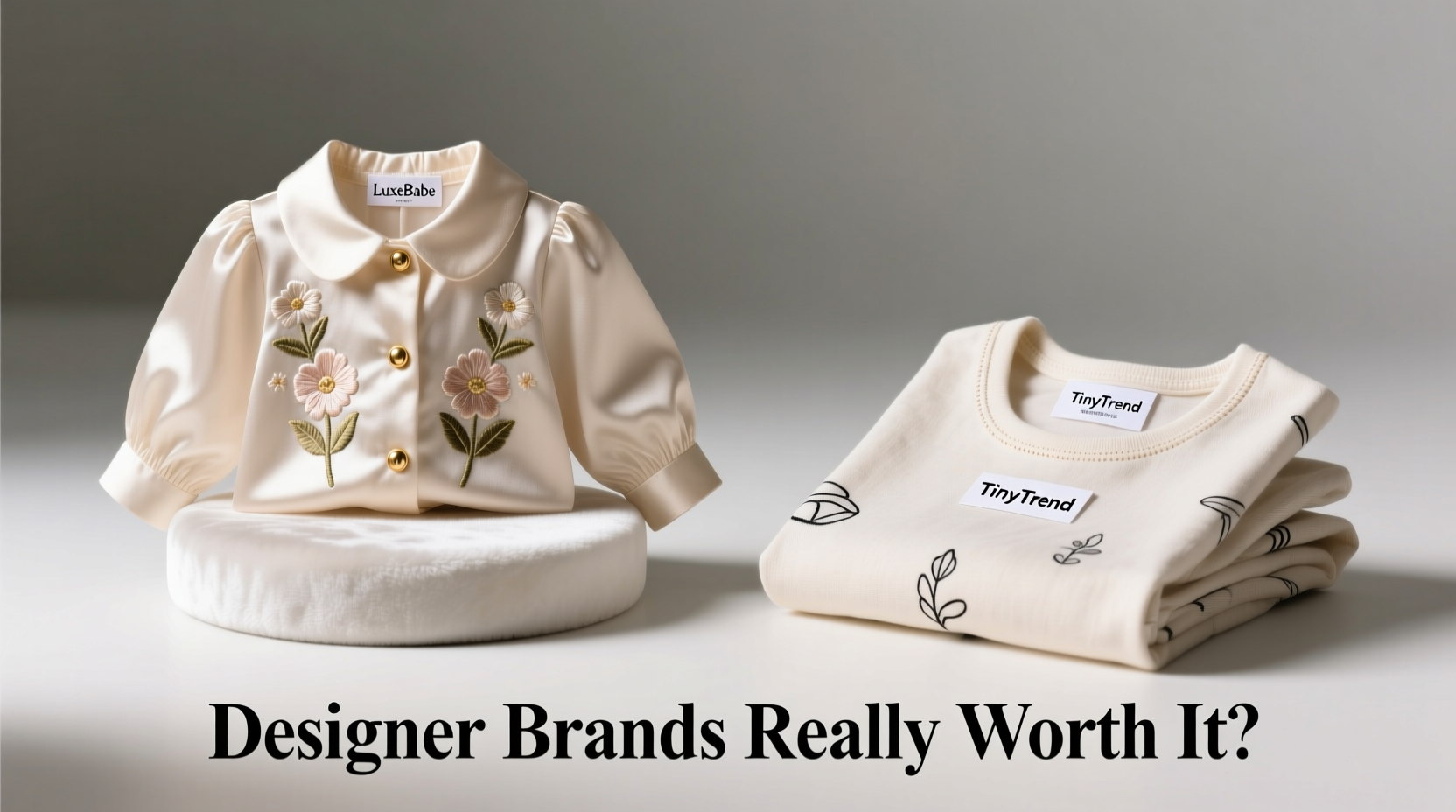
The most immediate distinction between luxury and budget toddler blouses lies in fabric composition and construction. High-end brands typically use natural fibers—organic cotton, silk blends, fine linen—or proprietary textiles designed for softness and breathability. These materials are often pre-washed to reduce shrinkage and minimize irritation for sensitive skin.
In contrast, many budget blouses rely on synthetic blends (polyester, rayon) to keep costs low. While modern manufacturing has improved the feel of these fabrics, they may trap heat, lack breathability, and show signs of wear after only a few washes—pilling, fading, or seam separation being common issues.
“With kids’ clothing, fabric integrity matters more than logo appeal. A well-constructed cotton blouse from a reputable brand lasts longer than three fast-fashion pieces combined.” — Lena Park, Children’s Fashion Stylist & Sustainability AdvocateTip: Always check garment labels. Prioritize 100% cotton or high-natural-fiber blends for delicate toddler skin.
Cost Per Wear: The Hidden Math
At first glance, a $120 designer blouse seems excessive compared to a $15 version. But evaluating cost per wear changes the equation. If a luxury blouse is worn 30 times over two seasons due to its durability and timeless design, the cost per wear is just $4. Meanwhile, a $15 blouse worn five times before shrinking or tearing costs $3 per wear—only slightly cheaper, and likely replaced multiple times.
Luxury garments also tend to maintain resale value. Platforms like Poshmark, ThredUp, or consignment boutiques allow parents to recoup 30–60% of the original price, especially for authenticated designer pieces in good condition.
Comparison Table: Luxury vs Budget Toddler Blouse
| Feature | Luxury Blouse | Budget-Friendly Blouse |
|---|---|---|
| Average Price | $80–$150 | $10–$25 |
| Fabric Type | Natural fibers (cotton, silk, linen) | Synthetic blends (polyester, viscose) |
| Construction | Reinforced seams, lined yokes, precise stitching | Basic stitching, minimal lining |
| Durability | 1–2+ years with regular use | 3–6 months before wear shows |
| Resale Value | 30–60% of original price | Rarely resold; often donated |
| Style Longevity | Classic cuts, neutral palettes | Trend-driven, seasonal prints |
When Luxury Makes Sense: Real-Life Scenarios
Not every occasion calls for an investment piece. However, there are specific situations where a luxury toddler blouse delivers tangible benefits.
Mini Case Study: The Family Wedding Dilemma
Sophia, a mother of two, faced a dilemma when her niece’s wedding invitation specified “semi-formal attire.” Her 2-year-old daughter needed a special outfit that would look polished in photos and withstand a full day of events. She considered a $18 floral ruffle blouse from a fast-fashion brand ($22) versus a tailored piqué cotton blouse from Petit Bateau ($98).
She chose the luxury option. The higher price was offset by the blouse’s versatility—it was later worn to a christening and a holiday party. After gentle washing, it remained in excellent condition and was passed to her younger daughter. In contrast, the cheaper blouse she bought for backup faded after one machine wash and developed loose threads at the collar.
In this case, the initial investment paid off in appearance, durability, and extended usability.
Smart Shopping Checklist: Maximizing Value
Whether you lean toward luxury or prefer budget options, these steps help ensure you get the most value from every purchase:
- Evaluate fabric content: Opt for breathable, natural materials when possible.
- Inspect stitching and seams: Look for double stitching, clean hems, and secure buttons.
- Consider versatility: Choose neutral colors or classic patterns that mix and match easily.
- Check care instructions: Machine-washable items save time and reduce wear from dry cleaning.
- Plan for hand-me-downs: Invest in sizes slightly larger if passing down to siblings.
- Buy off-season: Luxury brands often go on sale during end-of-season clearances.
Expert Tips for Balancing Budget and Quality
You don’t need to choose extremes. Many parents successfully blend both worlds—using luxury pieces for special occasions and rotating budget-friendly basics for daily wear.
Tip: Rotate a single luxury blouse with multiple pairs of pants or skirts to create several outfits, increasing its functional value.Additionally, consider boutique resale shops or online marketplaces for gently used designer children’s clothing. You can often find like-new luxury blouses at 50–70% off retail, dramatically improving cost efficiency without sacrificing quality.
FAQ: Common Questions Answered
Are luxury toddler clothes worth it for everyday wear?
Generally, no. The wear and tear of daily play, spills, and crawling make luxury blouses impractical for routine use. Reserve them for events, photos, or gifts.
Can budget blouses be high quality?
Yes. Some mid-tier brands like Hanna Andersson, Primary, or Pact offer organic cotton, ethical production, and durable construction at moderate prices ($30–$50). These strike a balance between affordability and longevity.
Do designer toddler clothes hold their value?
Certain brands do—especially those with strong reputations (e.g., Bonpoint, Jacadi, Stella McCartney Kids). Well-maintained pieces in popular sizes (6M–4T) are frequently resold. Keep original tags if possible to increase resale appeal.
Conclusion: Making Choices That Fit Your Lifestyle
The question isn’t whether luxury toddler blouses are inherently better, but whether they align with your family’s needs, values, and lifestyle. For parents who prioritize sustainability, heirloom quality, and timeless style, investing in a few well-chosen designer pieces can be both economical and emotionally rewarding. For others, rotating affordable basics offers flexibility and reduces stress when stains happen—which they inevitably will.
The key is intentionality. Assess each purchase based on material quality, intended use, and long-term value—not just the label. With thoughtful selection, you can build a practical, stylish wardrobe that balances elegance and economy.
💬 Have you found a favorite toddler blouse brand—luxury or budget—that truly delivers value? Share your experience and help other parents make smarter choices!