In an era where technology blends seamlessly with personal style, the line between fashion and function continues to blur. One of the most telling intersections is on the wrist: the choice between a classic luxury bracelet and a modern smartwatch band. For many, this isn’t just about aesthetics—it’s a decision that reflects lifestyle, priorities, and long-term value. As smartwatches evolve into sleek, customizable accessories, and luxury jewelry brands experiment with tech-integrated designs, consumers face a new dilemma. Is ditching a gold chain or diamond-studded bangle for a silicone or titanium smartband truly an upgrade?
The answer depends on what you value most—timeless elegance or real-time data. But understanding the full scope requires examining materials, utility, longevity, social perception, and emotional resonance.
Material & Craftsmanship: Heritage vs Innovation
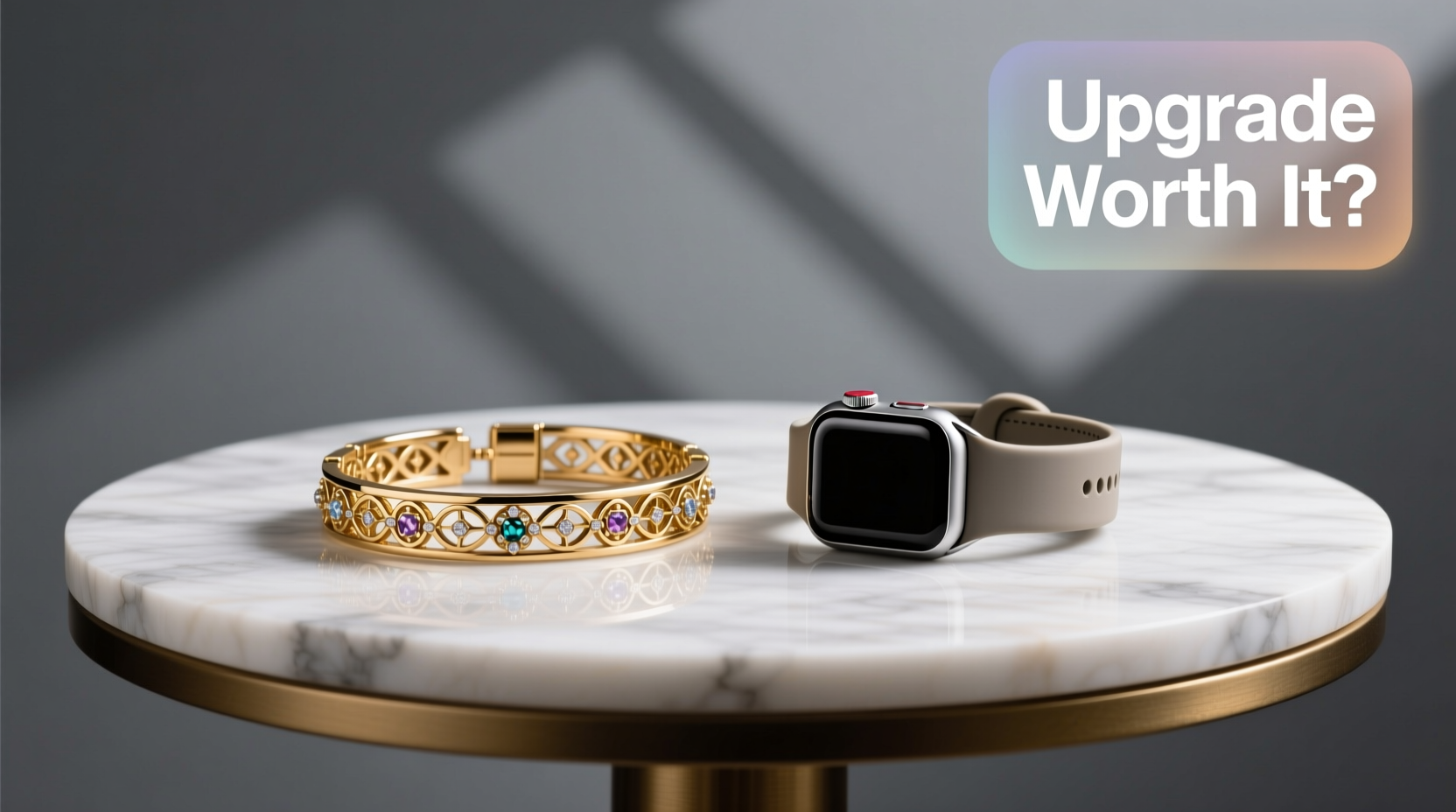
Luxury bracelets are often crafted from precious metals like 18-karat gold, platinum, or high-grade stainless steel, sometimes adorned with diamonds, sapphires, or enamel detailing. These pieces are made to last generations, with meticulous hand-finishing and artisanal techniques passed down through decades. A Cartier Love bracelet or Tiffany T bracelet, for instance, carries not only brand prestige but also symbolic weight—often given as gifts for milestones.
Smartwatch bands, while increasingly sophisticated, prioritize performance over permanence. Materials range from fluoroelastomer (Apple’s Sport Band) to recycled aluminum, titanium, or even Milanese loops with magnetic clasps. Some premium options, like Hermès’ leather straps for Apple Watch, bridge the gap between luxury and tech, but they remain tethered to a device with a limited lifecycle—typically three to five years before obsolescence or battery degradation.
Tip: If craftsmanship and heirloom potential matter, a luxury bracelet holds intrinsic material value. Smartwatch bands, even high-end ones, are accessories to a disposable ecosystem.Functionality: Beauty vs Utility
A luxury bracelet serves one primary purpose: to enhance your appearance. It signals taste, status, and occasion appropriateness. It does not track heart rate, remind you to stand, or notify you of incoming messages. In contrast, a smartwatch band is part of a system designed for active engagement with health, productivity, and connectivity.
Consider the daily benefits:
- Health monitoring: ECG, blood oxygen, sleep tracking
- Activity incentives: Step goals, workout logging, calorie burn
- Convenience: Notifications, contactless payments, GPS navigation
- Customization: Interchangeable bands for different settings—workout, office, evening
For professionals, athletes, or health-conscious individuals, these features aren’t gimmicks—they’re tools. But they come at the cost of constant digital presence, which some find intrusive or antithetical to mindfulness.
“Wearing a luxury piece is a form of self-expression without demands. A smartwatch, no matter how elegant, always wants something from you.” — Julian Reed, Lifestyle Editor at *The Modern Gentleman*
Cost & Long-Term Value Comparison
At first glance, luxury bracelets appear far more expensive. A simple Rolex Oyster bracelet can retail above $2,000, while a solid gold link bracelet may exceed $10,000. Smartwatch bands, even premium ones, rarely surpass $500. However, total cost of ownership paints a different picture.
| Feature | Luxury Bracelet | Smartwatch Band + Device |
|---|---|---|
| Initial Cost | $1,500–$15,000+ | $250–$800 (watch) + $50–$500 (bands) |
| Lifespan | Decades (with care) | 3–5 years per device |
| Maintenance | Polishing, resizing, occasional repairs | Battery replacement, software updates, band wear |
| Resale Value | High (especially for iconic brands) | Low to moderate (rapid depreciation) |
| Upgrade Cycle | Rarely needed | Every 3–4 years for optimal performance |
Over ten years, owning two smartwatches and multiple bands could match or exceed the price of a single high-end bracelet. Yet, the smartwatch offers evolving functionality—new sensors, apps, and integrations—that a static piece cannot replicate.
Real-Life Example: The Executive’s Dilemma
Sophia Tan, a 42-year-old finance director in Singapore, wore a vintage Patek Philippe tennis bracelet inherited from her mother to every board meeting. Elegant and meaningful, it was her signature. But after a health scare linked to undiagnosed hypertension, her doctor recommended continuous heart monitoring.
She transitioned to an Apple Watch Ultra with a titanium band. Initially resistant—“It felt too techy for my suits”—she adapted by switching to a black Milanese loop for formal events. Within months, the watch detected an irregular heartbeat episode, prompting medical intervention that prevented a serious incident.
“I still keep my mother’s bracelet in a velvet box,” she says. “But now I wear both—on different days. The smartwatch saves my life. The bracelet reminds me who I am.”
How to Decide: A Practical Checklist
If you're torn between tradition and innovation, ask yourself the following before making a change:
- What do I use my wrist for? – Is it a canvas for expression, or a hub for health and productivity?
- How often do I check my phone? – If constantly, a smartwatch may reduce screen time by delivering key alerts efficiently.
- Do I value legacy or convenience? – Will this item matter in 20 years, or serve me best in the next five?
- Can I own both? – Many people alternate: smartwatch during the week, luxury piece for weekends or special occasions.
- Am I upgrading style or substance? – Is the band change aesthetic, or are you seeking actual functionality?
Frequently Asked Questions
Can a smartwatch band look luxurious?
Yes. Brands like Hermès, Fossil, and Montblanc offer premium bands in Italian leather, stainless steel, or ceramic finishes. Paired with a sleek smartwatch, they can pass as dress accessories in casual or business environments. However, they still carry visible tech elements—screens, buttons, charging ports—that distinguish them from pure jewelry.
Will a luxury bracelet become obsolete?
Not in the traditional sense. Unlike electronics, fine jewelry doesn’t degrade due to technological shifts. While styles evolve, classic designs from houses like Bulgari, Van Cleef & Arpels, or Chopard often appreciate in cultural and monetary value. Obsolescence is more a risk for outdated smart devices than timeless adornments.
Are hybrid options available?
A growing category of “smart jewelry” bridges the gap. Devices like the Bellabeat Leaf or Ringly offer discreet activity tracking within pendant necklaces or bracelets that resemble conventional accessories. They lack the robust features of full smartwatches but suit those who want minimal tech integration without sacrificing elegance.
Final Verdict: Is the Upgrade Worth It?
The shift from a luxury bracelet to a smartwatch band isn’t inherently an upgrade—it’s a pivot in values. If your priority is health insight, efficiency, and staying connected, then yes, the switch delivers tangible returns. The ability to monitor stress levels, detect sleep apnea patterns, or receive emergency fall alerts adds measurable quality to daily life.
But if you cherish permanence, artistry, and emotional symbolism, a luxury bracelet offers something technology cannot replicate: enduring beauty and personal significance. It doesn’t need charging. It doesn’t require software updates. It simply exists—elegant, silent, and steadfast.
The wisest approach may not be choosing one over the other, but integrating both. Reserve your luxury piece for moments that call for grace and gravitas. Let the smartwatch handle the background work of wellness and workflow. Your wrist has space for meaning and metrics alike.
💬 Have you made the switch—or kept both? Share your experience and help others navigate this modern style crossroads.