Loungefly and Coach have both carved out strong identities in the world of fashion accessories, particularly when it comes to backpacks. While Loungefly is often associated with whimsical designs and Disney collaborations, and Coach with timeless leather craftsmanship, consumers frequently wonder: Are Loungefly bags really just for “Disney adults”? And how do they stack up against a heritage brand like Coach? The answer isn’t as simple as branding suggests. Understanding the differences in design, durability, audience, and value helps clarify who each brand serves—and whether assumptions about Loungefly limit its true appeal.
The Loungefly Identity: More Than Just Disney
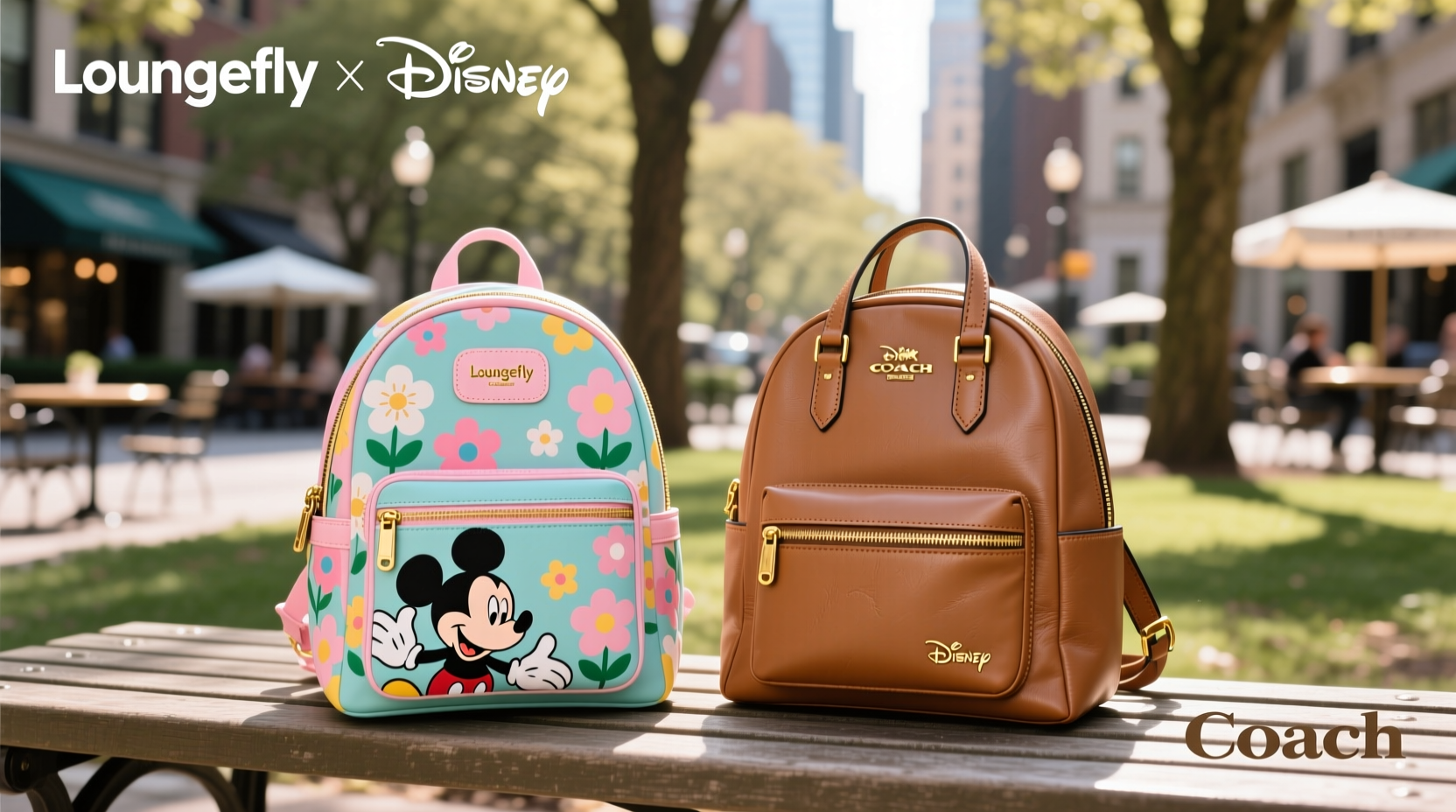
Loungefly, launched in 2004 and later acquired by Funko, built its reputation on playful, collectible-style backpacks featuring licensed pop culture themes—especially Disney. From Mickey Mouse silhouettes to intricate Sleeping Beauty castle designs, many of their most popular pieces cater to fans nostalgic for childhood magic. This has led to the widespread label of Loungefly being “for Disney adults”—a term used affectionately (and sometimes dismissively) for grown-ups who embrace Disney fandom through fashion, travel, and lifestyle choices.
But reducing Loungefly to just Disney misses a broader reality. The brand also produces collections inspired by Marvel, Harry Potter, Studio Ghibli, and even minimalist floral or celestial patterns that don’t lean into any fandom. Their aesthetic leans toward bold colors, structured shapes, and decorative hardware, appealing to those who view accessories as an extension of personal expression.
Tip: Don’t judge a Loungefly bag by its Disney cover—many styles are subtle, sophisticated, or themed around non-Disney pop culture.Who Actually Buys Loungefly?
Sales data and community feedback suggest Loungefly’s customer base is diverse. While a significant portion are indeed Disney enthusiasts—particularly women aged 18–35—the brand also attracts collectors, anime fans, and younger professionals who appreciate compact, stylish backpacks for casual use. Many users report buying Loungefly bags not because of the character, but because of the unique shape, size, or color palette.
“Loungefly taps into emotional branding. It’s not just about carrying a bag—it’s about carrying a memory.” — Dana Rivera, Brand Strategist & Accessories Analyst
Coach: Heritage, Craftsmanship, and Timeless Appeal
In contrast, Coach has been a staple in American handbag design since 1941. Known for high-quality leathers, understated elegance, and functional design, Coach positions itself as a premium accessory brand suitable for work, travel, and everyday wear. Their backpacks often feature clean lines, minimal logos, and durable construction meant to last years rather than seasons.
Coach targets a slightly older demographic—typically 25 and up—who prioritize longevity and versatility over trendiness. A Coach backpack is more likely to be seen in an office setting or during city commuting than at a theme park parade. That doesn’t mean Coach lacks personality; recent collaborations with artists and designers have brought bolder prints and textures into their lineup. But the core identity remains rooted in practical luxury.
Material and Build Comparison
The fundamental difference between Loungefly and Coach lies in materials and intended lifespan. Loungefly primarily uses vegan leather (polyurethane), which gives their bags a glossy finish and lightweight feel. However, this material is less durable than genuine leather and can crack or peel over time, especially with frequent use or exposure to moisture.
Coach, on the other hand, uses glove-tanned leather and canvas blends designed for resilience. Their stitching, zippers, and internal structure reflect decades of refinement in bag engineering. While heavier, a well-maintained Coach backpack can remain functional and stylish for a decade or more.
Side-by-Side Comparison: Loungefly vs Coach Backpacks
| Feature | Loungefly | Coach |
|---|---|---|
| Primary Material | Vegan leather (PU) | Genuine leather / Canvas |
| Average Price Range | $40–$80 | $200–$400+ |
| Durability | Moderate (1–3 years with regular use) | High (5+ years with care) |
| Design Style | Playful, thematic, collectible | Classic, professional, minimalist |
| Best For | Casual outings, fandom events, gifting | Work, travel, long-term daily use |
| Weight | Light (under 2 lbs) | Moderate to heavy (2.5–4 lbs) |
Real-World Use Case: Two Women, Two Bags, Two Lifestyles
Samantha, 29, works in digital marketing and owns three Loungefly backpacks—one Mickey-themed, one floral, and one Star Wars limited edition. She uses them primarily on weekends, trips to Disneyland, and casual coffee meetups. “I love that my bag sparks conversations,” she says. “It’s like wearing your favorite band’s T-shirt, but as a purse.” She rotates her Loungeflies seasonally and replaces them every two years due to scuffing and zipper wear.
Meanwhile, Naomi, 34, a financial analyst, invested in a Coach legacy backpack for her daily commute. After four years of near-daily use, hers still holds up with only minor edge wear. “It was expensive upfront, but I’ve saved money in the long run,” she explains. “Plus, it looks professional no matter what I’m wearing.”
Their stories highlight a key insight: choice depends less on age or fandom and more on lifestyle needs and values.
Is Loungefly Only for Disney Adults? Debunking the Myth
The idea that Loungefly is exclusively for Disney adults stems from visibility bias—Disney-themed bags dominate social media, resale markets, and influencer content. Because these designs are eye-catching and emotionally resonant, they get shared more, creating the illusion that they represent the entire brand.
In truth, Loungefly serves multiple niches:
- Fandom collectors seeking rare releases
- Teens and college students wanting trendy, affordable backpacks
- Gift-givers looking for memorable presents
- Minimalists drawn to solid-color structured silhouettes
Calling Loungefly “just for Disney adults” overlooks its role in accessible fashion—a space where creativity and affordability intersect. For many, it’s a gateway into expressing individuality without investing hundreds of dollars.
When Loungefly Makes Sense
Tip: If you want a fun, seasonal accessory that reflects your interests, Loungefly is a smart pick. If you need a workhorse bag for daily demands, consider Coach.Choosing the Right Bag: A Practical Checklist
Before deciding between Loungefly and Coach, ask yourself the following:
- What’s my primary use? Commuting, school, travel, or casual outings?
- How much am I willing to spend? Budget under $100 or ready to invest $300+?
- Do I prioritize durability or design? Longevity vs. visual impact?
- Will I use it daily? Frequent use favors sturdier materials like leather.
- Does brand image matter? Professional settings may favor subtler branding.
This checklist helps cut through marketing noise and aligns your purchase with actual needs.
FAQ: Common Questions About Loungefly and Coach
Can Loungefly bags be used for work or school?
Some Loungefly models are spacious enough for tablets, notebooks, and small laptops, making them suitable for light academic or creative work. However, due to less padding and lower structural support, they’re best for part-time or casual use. Heavy textbooks or daily commutes may strain zippers and seams over time.
Are Coach backpacks worth the higher price?
For users who plan to carry a bag daily for several years, yes. Coach’s craftsmanship, warranty options, and resale value contribute to long-term cost efficiency. Additionally, leather ages gracefully, developing a patina that many find desirable.
Do Loungefly bags hold resale value?
Limited-edition or retired Loungefly styles—especially Disney Park exclusives—can resell for double or triple retail price. However, standard releases typically do not appreciate. In contrast, vintage Coach bags, particularly from the 70s–90s, often gain value due to collector demand.
Final Thoughts: Beyond Labels, Toward Intentional Choices
Loungefly and Coach serve different purposes in a modern wardrobe. One isn’t inherently better than the other—they fulfill distinct roles. Loungefly excels in self-expression, accessibility, and seasonal fun. Coach delivers reliability, sophistication, and enduring quality. Recognizing this allows consumers to move beyond stereotypes like “Disney adult” and make intentional decisions based on lifestyle, budget, and values.
The next time you see a Loungefly bag, don’t assume it’s just for someone reliving childhood memories. It might belong to a teacher who loves astronomy, a nurse who finds joy in cute aesthetics during stressful shifts, or a traveler collecting mementos from favorite stories. Likewise, a Coach backpack isn’t just for corporate climbers—it’s for anyone who believes in owning fewer, better things.
💬 What does your backpack say about you? Share your thoughts on Loungefly, Coach, or your go-to bag brand. Your experience could help others find their perfect match!