For many families, the moment a young girl asks for her first real purse marks a small but symbolic milestone—her growing sense of independence, identity, and participation in the world around her. But when is the right time? What distinguishes a child’s novelty bag from a functional adult handbag, and how do parents decide when their daughter is ready for this step?
The transition isn’t just about fashion. It reflects cognitive development, responsibility, and social awareness. While some 5-year-olds carry miniature backpacks with tiny wallets, others don’t need a handbag until middle school. Understanding the differences between little girl bags and adult handbags—and knowing what readiness looks like—can help parents make informed choices that support their child’s growth.
Understanding the Purpose: Function Over Fashion
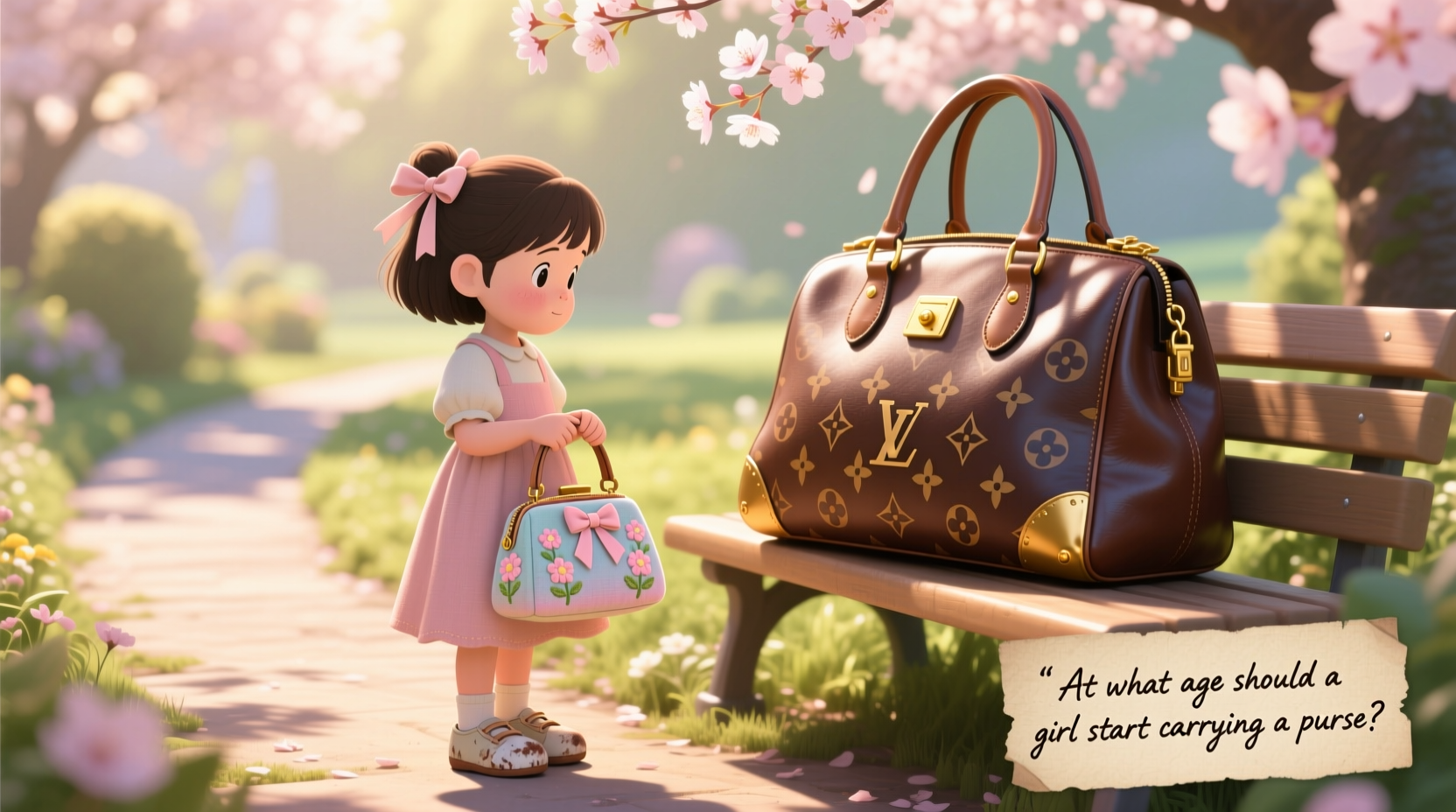
A child’s bag is typically designed for play or convenience during outings. These “little girl bags” are often colorful, feature cartoon characters, and serve limited utility—holding snacks, a tissue, or a toy. In contrast, an adult handbag supports daily logistics: keys, phone, wallet, hygiene items, and personal documents.
The shift from one to the other depends less on age than on lifestyle and capability. A 7-year-old attending after-school activities independently may benefit from a compact crossbody with room for essentials. Meanwhile, a 10-year-old who stays home after school might not need any bag at all.
Tip: Start with a simple drawstring or mini backpack before introducing structured handbags. This eases the transition and builds organizational habits.Developmental Readiness: Signs She’s Prepared
Before handing over a handbag, consider whether your daughter can manage the responsibilities it entails. Carrying a purse means remembering it, keeping track of its contents, and understanding basic safety—like not flashing valuables in public.
Key indicators of readiness include:
- Memory & Responsibility: Can she consistently remember to bring necessary items to school or activities?
- Organization: Does she keep her backpack or locker tidy without constant reminders?
- Safety Awareness: Can she identify what should stay private (e.g., money, phone) and avoid showing them off?
- Independence: Is she walking to school, riding the bus, or spending time away from direct supervision?
When these behaviors become routine, a handbag becomes a tool—not just a toy.
“Introducing a handbag too early can lead to loss or misuse. Wait until the child demonstrates consistent accountability.” — Dr. Lena Torres, Child Psychologist & Developmental Specialist
Little Girl Bag vs Adult Handbag: Key Differences
To understand the appropriate timing, it helps to compare the two categories across critical dimensions.
| Feature | Little Girl Bag | Adult Handbag |
|---|---|---|
| Primary Purpose | Play, novelty, light storage | Daily function, security, organization |
| Size & Capacity | Small (fits toys, snacks) | Medium to large (holds phone, wallet, keys) |
| Design Elements | Bright colors, characters, glitter | Subtle branding, neutral tones, minimalism |
| Security Features | Rarely has zippers or locks | Often includes zippers, RFID protection, inner compartments |
| Material Quality | Polyester, vinyl, lightweight synthetics | Leather, canvas, durable textiles |
| Lifestyle Fit | Casual outings, playdates | School, travel, social events |
The table highlights a clear progression: as needs grow more complex, so should the tools used to meet them.
A Real-Life Example: From Toy Bag to Functional Accessory
Maria, a mother of two from Portland, noticed her 8-year-old daughter, Sofia, struggling to keep track of her library card, water bottle, and art supplies during weekend trips to the museum. At first, Sofia used a sparkly unicorn tote that quickly became overstuffed and forgotten on benches.
After discussing responsibility and organization, Maria gifted Sofia a small canvas crossbody with two zippered pockets—one for her library card and a folded dollar bill, another for tissues. Within weeks, Sofia was checking her bag before leaving the house and returning it to its hook by the door.
“It wasn’t about the bag,” Maria said. “It was about giving her a system. The handbag became part of her routine, like brushing her teeth.”
Step-by-Step Guide: Introducing a Handbag at the Right Age
There’s no universal age, but there is a thoughtful process. Follow this timeline to ensure a smooth transition:
- Assess Daily Needs (Ages 5–7): Observe if your child carries anything beyond school supplies. Do they go on outings where personal items are needed?
- Start with a Mini Organizer (Age 6+): Introduce a small pouch or wristlet for special occasions—birthday parties, family dinners—to practice carrying essentials.
- Teach Contents Management (Age 7–9): Help her create a “kit”: a hair tie, tissue, small notebook, and maybe a coin. Reinforce that each item has a place.
- Choose First Functional Bag (Age 8–10): Select a secure, modest-sized crossbody or satchel made from durable material. Avoid expensive brands; focus on usability.
- Set Rules & Routines (Ongoing): Establish expectations: Where does the bag go at night? What happens if it’s lost? Use natural consequences to reinforce accountability.
- Evaluate & Upgrade (Age 11+): As responsibilities increase—phone, transit pass, makeup—transition to a larger, more mature design aligned with her lifestyle.
Common Mistakes Parents Make
- Buying Too Early: Giving a 6-year-old a designer-inspired handbag may encourage materialism without teaching responsibility.
- Overloading the Bag: Packed to the brim, a purse becomes a burden. Teach minimalism: only carry what you need.
- Neglecting Safety Lessons: Kids should know not to display cash or devices in public, even if they’re allowed to carry them.
- Skipping Maintenance: Show how to wipe down straps, empty pockets weekly, and store properly to extend the bag’s life.
FAQ: Your Top Questions Answered
Is 7 too young for a handbag?
Not necessarily—but it depends on context. A 7-year-old might be ready for a small, functional bag if she attends activities independently and shows organizational skills. However, a purely decorative purse is better suited for dress-up play than daily use at this age.
What should a young girl’s first handbag contain?
Keep it simple: a folded tissue, a reusable water bottle (carried externally), a hair tie, a small notebook, and perhaps a dollar for emergencies. Avoid phones or expensive items unless absolutely necessary and supervised.
How do I teach my daughter to take care of her handbag?
Model good habits. Wipe down surfaces together, store it upright, and review contents weekly. Treat care as part of ownership—like feeding a pet or charging a tablet.
Final Thoughts: A Milestone Worth Nurturing
The decision to introduce a handbag shouldn’t be based on trends or peer pressure, but on readiness and purpose. When thoughtfully timed, a girl’s first real purse becomes more than an accessory—it’s a symbol of trust, autonomy, and growing up.
Whether it starts as a zippered pouch for sleepovers or evolves into a structured tote for middle school, the journey matters. With guidance, children learn to value functionality over flash, responsibility over status, and self-reliance over imitation.
💬 Have a story about your child’s first handbag? Share your experience below—your insight could help another parent navigate this small but meaningful rite of passage.