In the past five years, Korean fashion has surged from a regional trend to a global phenomenon. From Seoul street style to K-drama wardrobes, the aesthetic has captivated audiences far beyond Asia. One of the most visible shifts is in accessories���particularly handbags. While Western brands have long dominated luxury markets with bold logos and structured silhouettes, Korean designers are redefining desirability with understated elegance, ergonomic function, and quiet sophistication. So what exactly sets Korean bags apart from their Western counterparts—and why is everyone suddenly obsessed?
The Rise of Quiet Luxury and Emotional Design
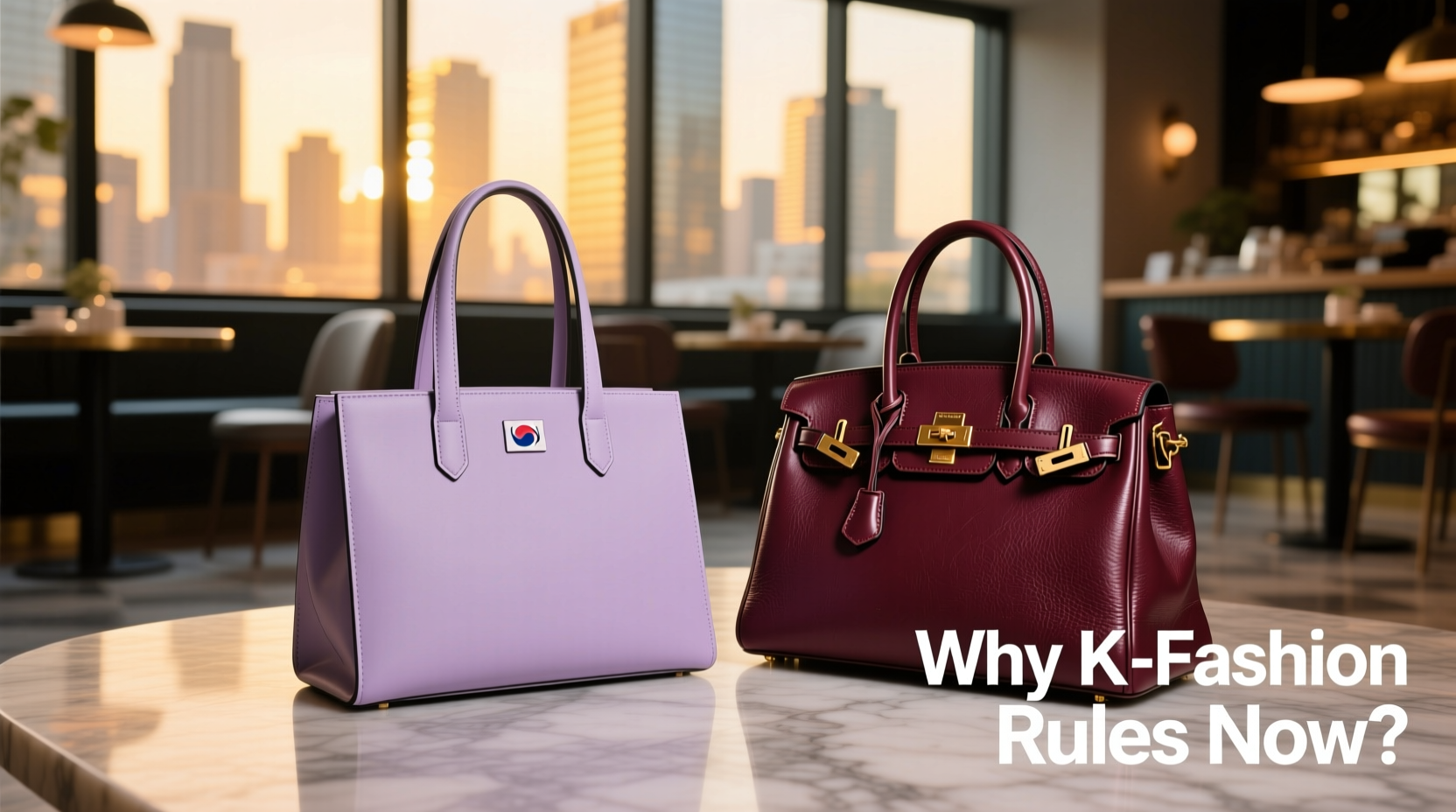
Korean fashion doesn’t shout; it whispers. This ethos extends deeply into bag design. Unlike many Western luxury labels that emphasize branding through prominent logos (think Gucci’s interlocking Gs or Louis Vuitton’s monogram), Korean brands favor minimalism. Logos are often subtle or absent altogether. Instead, attention is placed on texture, proportion, and tactile experience.
This aligns perfectly with the global shift toward “quiet luxury”—a preference for quality over visibility, craftsmanship over clout. But Korean design goes further by incorporating emotional intelligence into form. Bags are designed not just to carry items, but to make the wearer feel calm, composed, and confident.
“Korean accessories are made for real life—they consider how a bag feels after eight hours of wear, not just how it looks in a photo.” — Ji-Yeon Park, Seoul-based fashion anthropologist
Design Philosophy: Function Meets Minimalism
Western handbag design often prioritizes statement-making shapes and brand identity. Think dramatic clutches, oversized totes with bold hardware, or logo-heavy crossbodies meant to signal status. In contrast, Korean bags emphasize ergonomics, weight distribution, and daily usability.
Many Korean designs feature:
- Soft, rounded edges that conform to the body
- Adjustable straps with padded comfort
- Interior layouts optimized for smartphones, wallets, and small essentials
- Neutral color palettes—beige, taupe, warm gray, black—that mix and match effortlessly
This isn’t minimalism for aesthetics alone—it’s minimalism rooted in practicality. A well-designed Korean bag assumes you’re commuting, running errands, or walking through a city all day. It’s built to disappear into your routine while enhancing it.
Tip: When choosing a versatile everyday bag, prioritize balanced weight distribution and interior organization over external embellishments.Korean vs Western Bags: A Comparative Breakdown
| Feature | Korean Bags | Western Bags |
|---|---|---|
| Design Focus | Functionality, subtlety, wearability | Brand recognition, visual impact |
| Materials | Soft leathers, textured synthetics, lightweight fabrics | Structured leathers, glossy finishes, signature prints |
| Color Palette | Neutral tones, earthy hues, muted pastels | Bold colors, contrasting trims, seasonal trends |
| Hardware | Sleek, minimal, often hidden | Prominent zippers, chains, branded buckles |
| Target Use | Daily wear, urban mobility, layering with outfits | Evening events, fashion statements, social media appeal |
| Price Range | Moderate (often $100–$300) | Wide range ($200–$5000+) |
The Role of K-Dramas and Social Media in Driving Demand
The explosion of Korean culture—known as the Hallyu wave—has played a pivotal role in popularizing these accessories. K-dramas like *Crash Landing on You*, *Hometown Cha-Cha-Cha*, and *Our Beloved Summer* don’t just showcase fashion; they embed it into storytelling. Female leads carry compact shoulder bags in muted tones, often seen slipping them on before biking to work or tucking them under café tables during quiet conversations.
These scenes normalize a specific lifestyle: thoughtful, unhurried, and aesthetically harmonious. Viewers don’t just want the clothes—they want the feeling.
On platforms like Instagram and TikTok, creators dissect “desk-to-dinner” Korean bag styles, demonstrating how one piece transitions seamlessly across contexts. The emphasis is on repetition, versatility, and personal curation rather than constant newness.
“We’re seeing a fatigue with fast fashion. People want fewer, better things. Korean design delivers that emotionally and functionally.” — Lena Cho, Fashion Editor at *Urban Curve*
Mini Case Study: How a Single Bag Went Viral
In early 2023, a simple beige shoulder bag from the Seoul-based label **Andar** began appearing in thousands of TikTok videos under hashtags like #koreanminimalist and #quietluxurybag. Priced at $148, it featured no visible logo, a single magnetic closure, and a strap adjustable for crossbody or shoulder wear.
What made it go viral wasn’t marketing—it was utility. Users praised its ability to fit a phone, wallet, keys, and lipstick without bulging. Its soft structure didn’t crease when set down. Most importantly, it looked equally appropriate with sweats at a coffee shop or a tailored coat downtown.
Within six months, Andar sold over 40,000 units globally and opened pop-ups in Los Angeles and London. Their success wasn’t due to celebrity endorsements but to word-of-mouth appreciation for thoughtful design—a hallmark of the broader K-accessory movement.
How to Build a Korean-Inspired Bag Wardrobe: A Step-by-Step Guide
Adopting the Korean approach to bags doesn’t require buying everything new. It’s about curating with intention. Follow this timeline to refine your collection:
- Week 1: Audit Your Current Bags
Lay out every bag you own. Ask: Which ones do I reach for daily? Which feel uncomfortable or impractical? - Week 2: Define Your Lifestyle Needs
Are you commuting? Carrying a laptop? Walking long distances? Prioritize comfort and capacity accordingly. - Week 3: Choose 1–2 Core Neutrals
Invest in one black and one beige/taupe bag that can pair with 80% of your wardrobe. - Week 4: Test for Real-Life Wear
Use each bag for three full days. Note shoulder strain, ease of access, and how it ages with use. - Ongoing: Adopt a One-In, One-Out Rule
For every new bag you buy, donate or resell an old one. Maintain simplicity.
Checklist: Is This Bag Worth Adding?
- ✅ Does it fit your phone, wallet, and keys without overstuffing?
- ✅ Can you wear it comfortably for 4+ hours?
- ✅ Does it complement at least three different outfits?
- ✅ Is the material easy to clean and maintain?
- ✅ Would you still want it in six months?
Frequently Asked Questions
Are Korean bags durable despite their minimalist look?
Yes. Many Korean brands use high-quality microfiber leather or top-grain cowhide treated for scratch resistance. While they may appear delicate, construction focuses on longevity through reinforced stitching and stress-tested closures.
Can I pair Korean-style bags with Western clothing?
Absolutely. That’s part of their strength. A sleek Korean tote pairs effortlessly with a trench coat and boots, while a minimalist crossbody enhances a minimalist linen dress or oversized blazer.
Why are so many Korean bags similar in shape?
It’s intentional. Designers aim for timelessness, avoiding fleeting trends. The recurring semi-circular flap, rounded base, and slim profile are engineered for balance and proportion, not novelty.
Conclusion: Embracing Intention Over Impulse
The obsession with K-fashion isn’t just about aesthetics—it’s a cultural shift toward mindful consumption. Korean bags represent a rejection of excess in favor of harmony, comfort, and lasting value. As more consumers grow tired of disposable trends and logo-driven status symbols, the appeal of quiet, intelligent design only deepens.
You don’t need to overhaul your closet to embrace this mindset. Start with one well-chosen bag—one that feels good to carry and looks effortless with what you already own. Let it be a reminder that true style isn’t loud. It’s lived-in, considered, and quietly confident.
💬 Have a favorite Korean bag brand or styling tip? Share your thoughts and help others discover the beauty of functional fashion.