When it comes to protecting your AirPods, a simple silicone sleeve might seem sufficient. But in recent years, luxury accessories have taken over social media—especially plush Jellycat-inspired cases and high-end designer versions from brands like Gucci, Balenciaga, or Off-White. These can cost anywhere from $50 to over $200. For many consumers, the question arises: Are these premium cases actually worth the investment, or are they just overpriced fashion statements?
The answer isn’t straightforward. While some expensive cases offer superior craftsmanship and protection, others rely more on branding and aesthetics than functionality. This article breaks down the real differences between Jellycat-style plush cases and luxury designer AirPods cases, evaluates their long-term value, and helps you determine whether splurging makes sense for your lifestyle.
Understanding the Appeal of Premium AirPods Cases
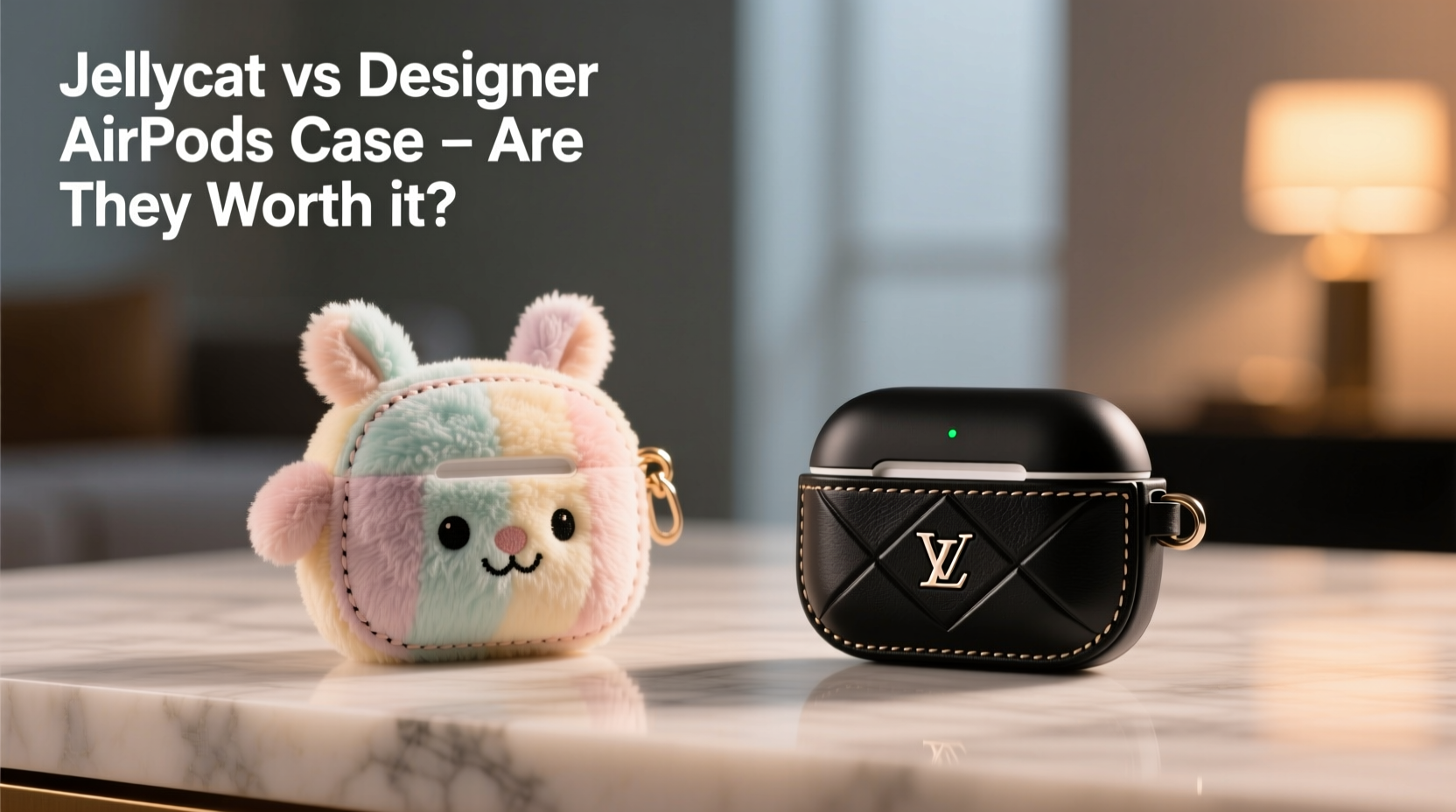
Luxury and novelty AirPods cases have surged in popularity due to social media trends, celebrity endorsements, and the growing culture of “quiet luxury.” A designer case isn’t just about protection—it’s a status symbol. Similarly, Jellycat-inspired plush cases tap into the kawaii (cute) aesthetic that resonates with Gen Z and millennials who value personality and whimsy in everyday accessories.
Jellycat, known for its ultra-soft stuffed animals, doesn’t officially make AirPods cases. However, third-party artisans create handcrafted plush replicas modeled after Jellycat’s signature designs—think bunnies, bears, and pastel creatures with embroidered eyes and velour textures. These are often sold on Etsy or Instagram for $40–$90.
Designer cases, on the other hand, come from established fashion houses. They’re typically made from leather, metal, or branded canvas, often featuring logos, hardware, and packaging that mirror full fashion collections. These cases serve as mini expressions of personal style—and sometimes, brand loyalty.
Tip: If you're buying a non-official Jellycat case, check seller reviews and material descriptions carefully—quality varies widely.Functional Comparison: Protection, Durability, and Fit
At their core, AirPods cases must protect a delicate electronic device. How do luxury options stack up against standard models?
| Feature | Standard Silicone Case | Jellycat-Style Plush Case | Designer Brand Case |
|---|---|---|---|
| Dropping Protection | Good | Fair (padding helps, but loose fit) | Variable (some rigid, others decorative only) |
| Scratch Resistance | High | Low (fabric wears easily) | Moderate to High (leather resists minor scratches) |
| Fit Precision | Excellent | Poor to Fair (handmade = inconsistent sizing) | Excellent (brand-controlled manufacturing) |
| Lifespan | 1–2 years | 6 months–1 year (depending on use) | 2+ years (with care) |
| Price Range | $10–$20 | $40–$90 | $80–$250 |
While designer cases generally offer better build quality and precise fit, many prioritize aesthetics over impact resistance. Some lack internal padding, relying solely on rigid exteriors. Jellycat-style cases add softness but often have looser fits, which can allow the AirPods to shift during impact. Additionally, fabric materials attract lint and are harder to clean than silicone or leather.
“Just because a case costs $150 doesn’t mean it protects better than a $15 one. Look at materials and structure—not just the logo.” — Marcus Lin, Tech Accessory Analyst at GadgetWise
Real-World Example: Two Users, Two Choices
Consider two people: Maya, a college student who loves cute aesthetics, and Jordan, a marketing executive building a curated personal brand.
Maya bought a handmade lavender bunny Jellycat-style case for $65. She adores how it looks on her Instagram stories and enjoys the soft texture. However, after four months of daily use, the stitching loosened, and the inner lining began shedding fibers. The case still holds her AirPods, but it no longer snaps securely. She replaced it with a second one, realizing it’s more of a seasonal accessory than a long-term solution.
Jordan invested in a Gucci GG Supreme canvas case ($120). It matches his wallet and has held up well over 14 months. He keeps it in a jacket pocket, not a bag with keys or coins. Though it offers minimal shock absorption, he values the prestige and consistency with his wardrobe. For him, the case is less about function and more about image cohesion.
Their experiences highlight a key insight: value depends on usage patterns and priorities.
When Expensive Cases Make Sense—And When They Don’t
Spending more can be justified under certain conditions. Here’s a checklist to help you decide if a premium case aligns with your needs.
✅ Do Consider a Premium Case If:
- You treat accessories as part of your personal brand or style identity.
- You keep devices pristine and replace them infrequently.
- The case uses high-quality, durable materials (e.g., full-grain leather, reinforced edges).
- You buy limited editions or collectibles as investments.
- You want a unique, handmade item that supports independent creators.
❌ Avoid Overspending If:
- You frequently lose or damage small items.
- You carry your AirPods in bags with sharp objects.
- The primary appeal is the logo, not materials or construction.
- You plan to upgrade AirPods within a year.
- You need maximum drop protection (consider rugged cases instead).
Step-by-Step Guide to Choosing the Right Case
- Assess Your Usage: Do you carry your AirPods in a purse, pocket, or backpack? High-movement environments demand durability.
- Determine Your Priorities: Rank protection, aesthetics, brand value, and budget in order of importance.
- Research Materials: Leather ages well but requires conditioning. Fabric is cozy but stains easily. Silicone is practical but basic.
- Check Compatibility: Ensure the case fits your specific AirPods model (Gen 3, Pro, etc.). Some designer cases don’t support wireless charging clearance.
- Read Real Reviews: Look for user photos and long-term feedback, especially on wear points like corners and clasps.
- Test Alternatives: Compare one premium option with two mid-tier alternatives offering similar benefits at lower prices.
- Wait for Sales or Limited Drops: Designer collaborations sometimes release at lower price points or go on sale after initial hype fades.
Frequently Asked Questions
Do designer AirPods cases offer better sound or connectivity?
No. These cases do not affect Bluetooth performance, battery life, or audio quality. Their role is purely protective and aesthetic.
Can I use a Jellycat-style case with wireless charging?
Most plush cases are designed to be removed before charging. Thick fabric can interfere with charging coils. Always take the AirPods out of the case when placing them on a charging pad.
Are luxury cases a good gift idea?
Yes—if the recipient values design and branding. A Gucci or custom plush case can be a thoughtful, personalized gift for someone who appreciates detail and cuteness or luxury. Just ensure it matches their actual usage habits.
Final Verdict: Value Over Price
Expensive AirPods cases aren’t inherently worth it—but they can be, depending on your definition of value. If you define value as longevity and protection, most premium cases fall short relative to their cost. A $15 OtterBox or even Apple’s own leather case often performs better in drop tests and daily wear.
However, if value includes emotional satisfaction, self-expression, or alignment with a lifestyle brand, then spending more becomes rational. A Jellycat-style case brings joy; a designer case signals taste. These intangible benefits matter, especially in a world where personal devices are constantly visible.
The smart approach is intentional purchasing. Ask yourself: Will I use this daily? Will it last? Does the price reflect materials—or just marketing? By answering honestly, you avoid buyer’s remorse and make choices that align with both your budget and your lifestyle.
💬 What’s your take? Have you tried a luxury or plush AirPods case? Share your experience—was it worth every penny or a lesson in restraint?