When shopping for a gold bracelet, the decision often comes down to two options: a well-crafted but unbranded piece from a local jeweler or a designer-labeled counterpart that costs two, three, or even ten times more. At first glance, both may appear nearly identical—same karat weight, similar design, and comparable gold content. So why does one command such a premium? The answer lies beyond the metal itself. It’s in craftsmanship, heritage, branding, and long-term value. Understanding these factors helps determine whether the higher price of a designer gold bracelet is justified—or merely a luxury tax.
The Real Cost Difference: More Than Just Gold
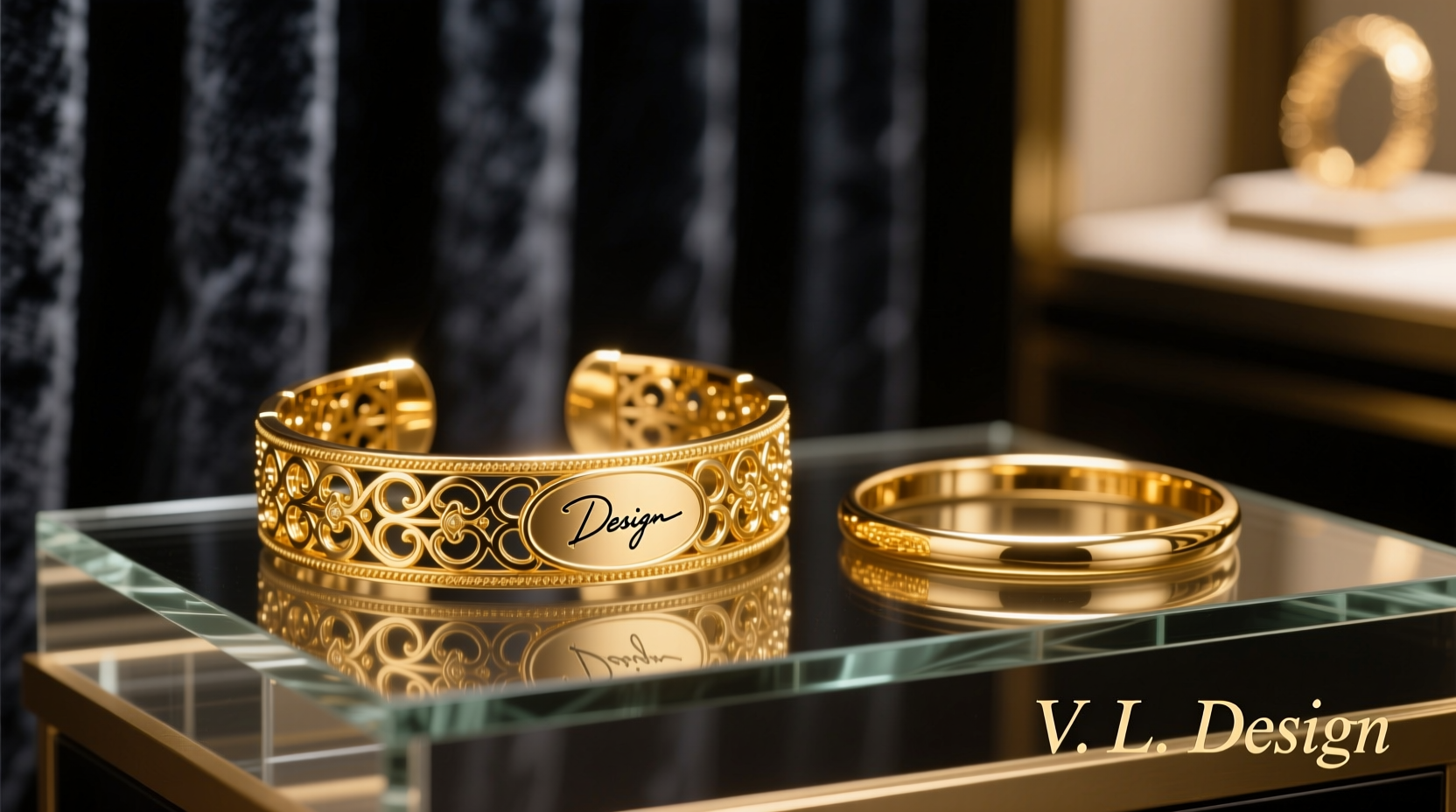
Gold is priced globally by weight and purity, so a 14-karat gold bracelet weighing 10 grams should cost roughly the same regardless of where it's made. Yet, two such bracelets—one from a boutique jeweler, the other from Cartier or Tiffany & Co.—can differ by thousands of dollars. This gap isn't due to material cost alone. It reflects:
- Brand equity: Designer names carry prestige built over decades.
- Design innovation: Originality in form, structure, and wearability.
- Craftsmanship: Hand-finishing, attention to detail, and quality control.
- Retail experience: In-store service, packaging, authentication, and after-sales care.
- Marketing and distribution: Global advertising, celebrity endorsements, flagship stores.
A study by Bain & Company found that up to 60% of a luxury jewelry item’s price stems from non-material factors. That doesn’t mean the product is overpriced—it means you’re paying for intangible value.
Tip: Always ask for a certificate of authenticity and hallmark verification when buying either designer or non-designer gold.Craftsmanship: Where the Devil Is in the Details
While both types of bracelets are made from real gold, the execution can vary dramatically. Designer houses typically employ master artisans who hand-polish joints, ensure seamless clasp mechanisms, and maintain consistent thickness across links. These details prevent weak points that lead to breakage over time.
For example, a standard gold cable bracelet from a regional jeweler might use machine-welded links with slight inconsistencies. A designer version of the same style—say, from Bulgari or David Yurman—would feature precision-cast links, individually inspected and polished to eliminate stress fractures. The result? Greater durability and a smoother drape on the wrist.
“Luxury brands don’t just sell metal—they sell perfected repetition. Every curve, every link, has been refined over years.” — Marcus Lin, Master Goldsmith and Jewelry Appraiser
Resale Value and Long-Term Investment Potential
One of the strongest arguments for choosing a designer gold bracelet is its potential to retain or even appreciate in value. Unlike fashion jewelry, which depreciates immediately, certain high-end pieces hold their worth due to collectibility and brand demand.
Consider this: a pre-owned Cartier Love bracelet in good condition can resell for 70–85% of its original retail price, especially if accompanied by original box and papers. In contrast, a generic 14k gold bangle—even if heavier—may only fetch melt value, which could be as low as 30–40% of what you paid.
| Bracelet Type | Original Price (Est.) | Resale Value (Used) | Primary Value Driver |
|---|---|---|---|
| Tiffany T1 Bracelet (14k) | $3,200 | $2,400–$2,800 | Brand + Design |
| Generic 14k Cable Bracelet (same weight) | $1,100 | $400–$500 (melt value) | Gold Content Only |
| Bvlgari B.Zero1 Bracelet | $2,900 | $2,200+ (limited editions higher) | Rarity + Brand Equity |
This disparity highlights a key truth: designer gold isn’t just jewelry—it’s an asset with emotional and market-driven value.
Real Example: Two Sisters, Two Choices
Sophia and Elena, sisters celebrating their 30th birthdays, each received $2,500 to buy a meaningful gold bracelet. Sophia opted for a 16-inch, 14k Italian-made cable bracelet from a trusted local jeweler—well-reviewed, hallmarked, and substantial at 12 grams. Elena chose a slim 18k yellow gold bracelet from a renowned American designer, slightly lighter at 9 grams but featuring a signature woven design and engraved logo tag.
Five years later, Sophia’s bracelet remains beautiful but shows minor wear at the clasp. When she tried selling it, a pawn shop offered $520 based on gold weight. Elena’s bracelet, meanwhile, was appraised at $2,100 during an insurance review—only $400 less than her purchase price—and she received multiple offers online from collectors.
The difference wasn’t just in gold content. It was in enduring design, brand recognition, and perceived exclusivity.
When a Designer Piece Makes Sense—And When It Doesn’t
There’s no universal rule. The right choice depends on your priorities: investment, sentiment, wear frequency, or budget. To help clarify, here’s a checklist to guide your decision.
📋 **Designer vs. Regular Gold Bracelet: Decision Checklist**- Are you buying for investment or heirloom purposes? → Lean toward designer.
- Do you value brand prestige or social signaling? → Designer may offer greater satisfaction.
- Will you wear it daily? → Prioritize durability; some designer clasps require more maintenance.
- Is your priority maximum gold content per dollar? → Choose a reputable non-designer option.
- Do you care about resale or passing it down? → Designer pieces typically have stronger legacy appeal.
Step-by-Step Guide to Making the Right Choice
Follow this process to make a confident, informed decision:
- Define your purpose: Is it a gift, self-purchase, investment, or everyday accessory?
- Set a realistic budget: Know how much you’re willing to spend before exploring options.
- Compare gold weight and purity: Use a scale and verify karat stamps on both options.
- Evaluate craftsmanship: Examine the clasp, finish, symmetry, and comfort on the wrist.
- Research resale history: Check platforms like eBay, Worthy, or Chrono24 for past sale prices.
- Try before you buy: Visit stores to feel the weight and fit of both styles.
- Read return policies: Ensure you can exchange or return if expectations aren’t met.
This method removes emotion from the equation and grounds your choice in practicality.
Frequently Asked Questions
Does a designer gold bracelet contain more gold than a regular one?
No. The gold content is determined by weight and karat, not brand. A 10-gram 14k bracelet from any maker contains the same amount of pure gold. However, designer pieces may use higher-karat gold (e.g., 18k instead of 14k), which increases both cost and gold content.
Can I get the same look for less with a non-designer brand?
Often, yes. Many independent jewelers replicate popular designs at lower prices. But beware of counterfeit items or poor-quality finishes. Stick to reputable sellers with verifiable hallmarks and third-party certifications.
Do designer bracelets last longer?
Not necessarily because of the gold, but often due to superior construction. Designer brands invest in engineering durable closures, balanced weight distribution, and corrosion-resistant alloys. With proper care, both types can last generations—but designers tend to minimize structural flaws from the outset.
Final Verdict: Worth It, But Not for Everyone
A designer gold bracelet is worth the price jump if you value craftsmanship, brand legacy, and long-term equity. You're not just buying gold—you're investing in a piece of cultural design, backed by centuries of metallurgical expertise and aesthetic innovation. For collectors, gift-givers, or those building a timeless wardrobe, the premium is justified.
But if your goal is purely to own gold by weight, or you plan to wear the bracelet heavily in environments where damage is likely (like construction or swimming), a well-made non-designer option offers better value per gram.
The smartest buyers don’t default to either side. They assess intent, research thoroughly, and sometimes split the difference—buying one designer showpiece and pairing it with versatile, high-quality basics.
🚀 Take Action Today: Whether you’re drawn to the allure of a Cartier signature or the raw value of solid gold weight, define what “worth” means to you. Then, shop with clarity—not impulse. Your future self will thank you when that bracelet still shines, both on your wrist and on the resale market. 💬 Have you bought a designer gold bracelet? Did it live up to the hype? Share your experience in the comments and help others navigate this glittering decision.








