
The iPhone 15 Pro Max features one of the most advanced camera systems Apple has ever built. With a 48MP main sensor, enhanced telephoto zoom, and precision optics, the lenses are both powerful and vulnerable. As soon as you unbox your new device, a critical decision looms: how do you protect that pristine camera array? While many opt for simple camera lens films, others go a step further—installing rigid metal lens protectors. But is that level of protection necessary? Or is it overkill? Let’s break down the real differences, risks, and benefits to help you decide what’s truly appropriate for your iPhone.
Understanding the iPhone 15 Pro Max Camera Lens Vulnerability
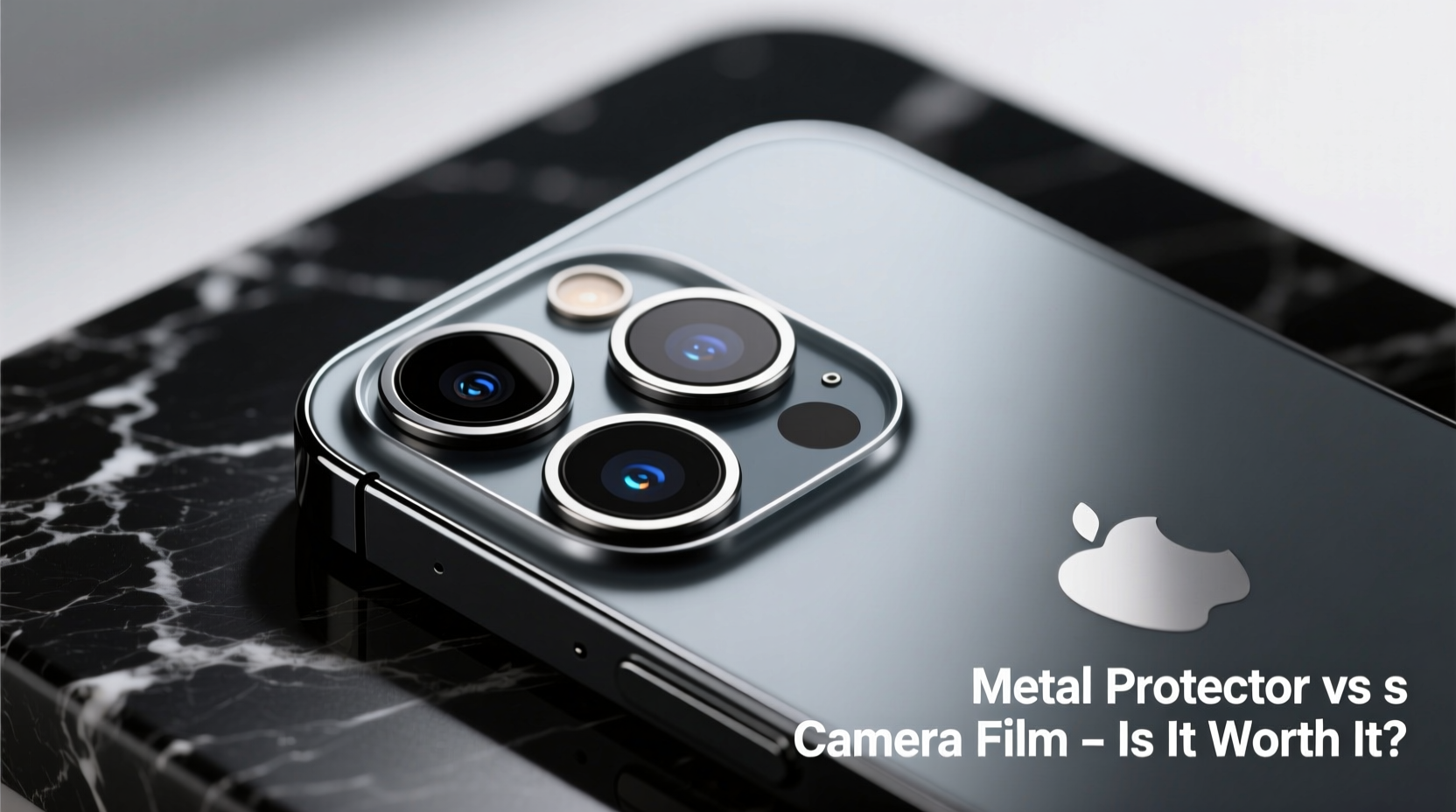
The rear camera lenses on the iPhone 15 Pro Max are made from high-grade sapphire crystal—a material chosen for its scratch resistance and optical clarity. Sapphire ranks 9 on the Mohs hardness scale, just below diamond. This means everyday contact with keys, coins, or fabric won’t cause scratches. However, exposure to materials like sand (which contains quartz, ranking 7), concrete, or rough surfaces during drops can still compromise the lens surface.
Apple engineers design these lenses to withstand daily wear, but they aren't indestructible. A drop onto pavement or gravel can lead to micro-cracks or chips that degrade image quality. Once damaged, lens repair is costly and may require replacing the entire camera module.
Tip: Even sapphire lenses can be scratched by grit trapped between your phone and a rough surface—like placing it face-down on a sandy table.Lens Film vs. Metal Lens Protector: Key Differences
At first glance, both solutions aim to prevent damage, but their approach, durability, and impact on photography vary significantly.
| Feature | Lens Film (Tempered Glass/Plastic) | Metal Lens Protector |
|---|---|---|
| Material | Thin tempered glass or PET plastic | Aluminum alloy or stainless steel with optical glass insert |
| Thickness | 0.1–0.3mm | 1.5–3mm raised bezel |
| Impact Protection | Minimal; only against light abrasion | High; absorbs direct impact and prevents lens contact with surface |
| Optical Clarity | Excellent (if high-quality) | Good to very good (depends on glass insert quality) |
| Risk of Glare/Flare | Low | Moderate (due to raised edges and secondary glass layer) |
| Aesthetics | Nearly invisible | Bulkier, alters look of camera bump |
| Price | $5–$15 | $20–$50 |
When Is a Metal Lens Protector Worth It?
For most users who keep their phones in pockets, bags, or use protective cases, a high-quality lens film offers sufficient protection against scratches. But certain lifestyles and usage patterns justify stepping up to a metal guard.
- Outdoor enthusiasts: Hikers, climbers, and photographers working in dusty or rugged environments benefit from the physical barrier a metal protector provides.
- Construction or field workers: Jobs involving frequent tool use, debris, or vibration increase the risk of lens contact with abrasive materials.
- Drop-prone users: If you’ve cracked screens or lenses before, the added height and shock absorption of a metal frame reduce direct impact.
- Heavy backpack carry: Phones tossed into packs with keys, multitools, or rocks can suffer unseen micro-abrasions over time.
“While sapphire is tough, real-world conditions introduce variables manufacturers can’t fully account for. A metal lens protector acts like a bumper—it keeps the lens from ever touching the ground.” — David Lin, Mobile Device Durability Analyst at TechShield Labs
Real-World Example: The Photographer in Iceland
Consider Sarah, a travel photographer who spent two weeks shooting landscapes in Iceland. She carried her iPhone 15 Pro Max in a lightweight sling while navigating volcanic terrain, glacial runoff areas, and wind-blown ash fields. Despite using a premium case, fine black sand infiltrated her gear. After a day of shooting near a black sand beach, she placed her phone lens-down on a rocky outcrop.
She later noticed faint radial streaks across her wide-angle lens. Lab analysis confirmed micro-scratches from embedded basalt particles—too small to feel, but visible in backlit photos. Her lens film had peeled months earlier, and she hadn’t replaced it. Had she used a metal lens protector, the raised bezel would have kept the lens elevated, preventing contact altogether.
This isn’t an isolated case. Geotagging forums and photography communities report similar incidents in desert, beach, and alpine environments where particulate matter is prevalent.
Step-by-Step Guide: Choosing and Installing the Right Protection
- Assess your usage pattern: Do you often place your phone face-down? Work in dirty environments? Travel frequently?
- Choose your protection type: For casual use, pick a multi-layer tempered glass lens film with anti-reflective coating. For active use, select a CNC-machined aluminum protector with precision-cut optical glass.
- Clean the lens thoroughly: Use a microfiber cloth and lens cleaning solution. Any dust or oil will prevent proper adhesion.
- Align carefully: Most films and protectors come with alignment frames. Take your time—misalignment affects both aesthetics and coverage.
- Press firmly and check for bubbles: Apply even pressure. If using adhesive, allow 12–24 hours for full bonding before exposing to moisture.
- Test camera performance: Shoot in various lighting conditions. Check for flare, ghosting, or reduced sharpness—especially at night.
Tips for Maximizing Protection Without Compromising Quality
Tip: Pair your lens protector with a case that has a raised edge around the camera bump—this adds another layer of defense.- Replace lens films every 6–12 months, as coatings degrade and micro-scratches accumulate.
- Avoid cheap metal protectors with thick, poorly cut glass inserts—they cause vignetting and reduce low-light performance.
- Never stack a film under a metal protector. The air gap causes reflections and degrades image quality.
- Look for protectors with hydrophobic and oleophobic coatings to resist fingerprints and water spots.
FAQ: Common Questions About iPhone 15 Pro Max Lens Protection
Does a lens protector affect photo quality?
High-quality lens films and well-designed metal protectors with optical-grade glass inserts have minimal impact. However, lower-tier products may introduce glare, haze, or softness, especially in low light or high-contrast scenes. Always choose reputable brands with independent lab testing.
Can I use my iPhone 15 Pro Max without any lens protection?
You can—but you’re relying solely on sapphire’s durability. While resistant to scratches, sapphire is brittle and can chip or crack on impact. If you value long-term resale value and consistent image quality, some form of protection is advisable.
Do metal lens protectors interfere with LiDAR or flash?
Poorly designed models might obstruct the LiDAR scanner or create shadows with the flash. Always verify compatibility with the iPhone 15 Pro Max specifically. Premium designs include precise cutouts and recessed mounts to avoid interference.
Conclusion: Balance Risk, Use Case, and Image Fidelity
The question isn’t whether metal lens protectors are “overkill” in absolute terms—it’s whether they’re overkill for your lifestyle. For office workers and careful users, a high-end lens film provides adequate defense with zero aesthetic trade-offs. But for adventurers, professionals, or those in harsh environments, a metal lens protector is a small investment that safeguards a critical component.
The iPhone 15 Pro Max’s camera is one of its standout features. Protecting it shouldn’t be an afterthought. Whether you choose a nearly invisible film or a rugged metal shield, the goal is the same: preserve optical performance and avoid costly repairs. Make your decision based on real-world use, not fear of minor bulk or a few extra dollars.
💬 What’s your go-to lens protection? Share your experience or ask questions in the comments—help others find the right balance between safety and performance.








