Platform sandals are a summer wardrobe staple—bold, stylish, and instantly elevate any outfit. Yet for many, the thrill of stepping out in a striking pair is quickly dulled by foot fatigue, blisters, or instability. The truth is, platform sandals don’t have to be painful. With the right choices in design, fit, and foot care, you can wear them confidently from morning errands to evening outings without compromising comfort.
The key lies in understanding what makes platforms uncomfortable and addressing those issues proactively. It’s not about enduring discomfort for fashion’s sake—it’s about making smart, informed decisions that let you enjoy both style and ease. Whether you’re walking through a city, standing at an outdoor event, or dancing at a rooftop party, these strategies ensure your feet stay supported, cushioned, and pain-free.
Choose the Right Sole Design for Natural Foot Movement
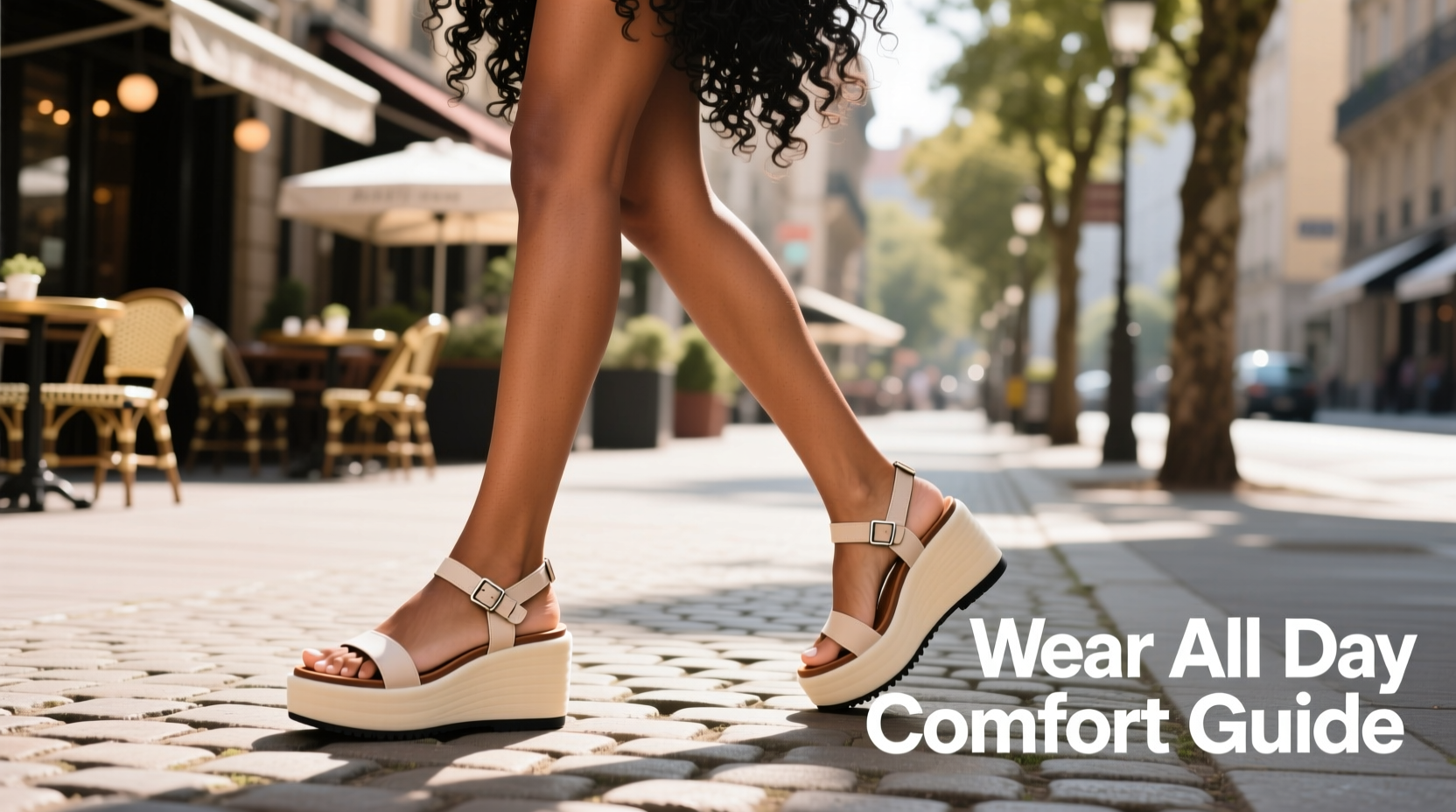
Not all platform soles are created equal. The structure of the sole significantly impacts how your foot moves and bears weight throughout the day. A poorly designed platform forces your foot into an unnatural position, often leading to strain in the ball of the foot, Achilles tendon tightness, or lower back discomfort.
Look for a **gradual incline** from heel to toe. Platforms that rise too steeply shift excessive pressure forward, increasing metatarsal stress. Instead, opt for styles where the platform lifts the entire foot evenly, maintaining a more neutral alignment. This reduces the angle between your calf and foot, minimizing strain on tendons and joints.
A thick, cushioned midsole made from EVA (ethylene-vinyl acetate) or polyurethane offers shock absorption with every step. These materials compress slightly under pressure, acting like mini-springs that reduce impact on hard surfaces like concrete or tile. Avoid rigid soles made from solid wood or unyielding rubber—they may look trendy but lack the give needed for extended wear.
Tip: Test the flexibility of the sole by gently twisting the sandal. A slight bend indicates better shock absorption and adaptability to foot motion.Prioritize Arch Support and Footbed Contouring
Flat footbeds are one of the biggest culprits behind foot pain in platform sandals. Without proper arch support, your plantar fascia—the ligament running along the bottom of your foot—bears extra tension, which can lead to inflammation and long-term discomfort.
Select sandals with built-in arch contouring that mirrors the natural curve of your foot. Even a modest elevation under the medial arch helps distribute weight more evenly and prevents overpronation (when the foot rolls inward excessively). Brands like Birkenstock, Teva, and ECCO integrate anatomically shaped footbeds that mold slightly to your foot over time, enhancing personalized support.
If your favorite platform lacks structural support, consider adding a removable orthotic insert. Custom or over-the-counter insoles can transform an otherwise flimsy sandal into a supportive shoe. Choose low-profile inserts designed specifically for sandals to avoid bulging or slipping.
“Many people assume sandals can’t be supportive, but biomechanics matter just as much in open footwear. A contoured footbed reduces fatigue by up to 40% during prolonged standing.” — Dr. Lena Reyes, Podiatrist & Gait Specialist
Secure Fit Without Pressure Points
No amount of cushioning compensates for a sandal that slips or pinches. Straps play a crucial role in stability, but their placement and material determine whether they hold your foot securely—or cause chafing and constriction.
Ideally, a platform sandal should feature multiple points of contact: a secure ankle strap, a cross-strap over the midfoot, and a sturdy toe post or front band. These elements work together to lock your foot in place, preventing excessive sliding that leads to blisters and calluses.
Pay attention to strap materials. Soft leather, neoprene-lined webbing, or padded nylon molds to your skin without digging in. Avoid thin, stiff straps or those with rough seams, especially around the ankle and instep. Adjustable buckles or Velcro closures allow you to fine-tune the fit based on swelling or sock thickness.
| Fit Factor | What to Look For | What to Avoid |
|---|---|---|
| Heel Grip | Snug but not tight; minimal lift when walking | Slipping more than 3mm with each step |
| Toe Space | 5–10mm between longest toe and front edge | Toes hanging over or cramped together |
| Arch Alignment | Footbed curves match your natural arch height | Flat base or mismatched arch contour |
| Strap Comfort | Padded, flexible, adjustable | Rigid, narrow, or non-adjustable |
Break Them In Gradually and Prepare Your Feet
Even the best-designed platform sandals need a break-in period. Wearing them straight out of the box for eight hours is a recipe for discomfort. Instead, treat new sandals like athletic gear—ease into regular use to allow your feet and body to adapt.
Start with short indoor sessions: wear them around the house while doing light chores or walking on carpeted floors. This helps soften stiff materials and identifies potential pressure zones before they become problematic outdoors. Over three to five days, gradually increase wear time and transition to pavement or uneven terrain.
Simultaneously, prepare your feet with simple strengthening and conditioning exercises. Weak intrinsic foot muscles struggle to stabilize elevated footwear. Try these daily for two weeks before heavy use:
- Towel scrunches: Place a small towel on the floor and use your toes to pull it toward you. Repeat 3 sets of 15.
- Marble pickups: Use your toes to pick up marbles from the floor and drop them into a cup. Builds dexterity and strength.
- Calf raises: Stand barefoot and slowly rise onto your toes, then lower. Improves balance and ankle stability.
Smart Styling and Real-World Usage Tips
Comfort isn’t just about construction—it’s also influenced by how and where you wear your platform sandals. Being strategic about context ensures you get the most enjoyment without physical cost.
For example, reserve ultra-high platforms (over 3 inches) for events with limited walking, such as dinners or concerts. Save lower, wider-platform styles (1.5 to 2.5 inches) for full-day use. Height isn’t the only factor—base width matters too. A broader platform distributes weight more effectively and improves balance, especially on cobblestones or grass.
Consider carrying a backup pair if your day involves extensive walking. Foldable flats or compact slip-ons stored in a tote bag let you switch seamlessly when your feet need relief. This small habit prevents overuse injury and extends the life of both your sandals and your energy.
Mini Case Study: Emma’s Festival Weekend
Emma, a 32-year-old event planner, loves fashion-forward footwear but often ended festival weekends with sore feet and blisters. Last summer, she wore her favorite 4-inch platform gladiators to a three-day music event. By day two, she was limping.
This year, she changed her approach. She chose a 2.8-inch platform with a contoured cork footbed and padded ankle strap. She broke them in over ten days, wearing them at home and on short walks. On-site, she packed lightweight sneakers for backstage movement and reserved the platforms for performances and socializing.
She also applied blister guards to her heels and used cooling foot spray during breaks. Result? She stayed on her feet all weekend, received compliments on her style, and didn’t experience a single hot spot.
Your Platform Sandal Comfort Checklist
Before purchasing or wearing a pair of platform sandals for a long day, run through this checklist to maximize comfort:
- ✅ Does the sole have a gradual incline and cushioned midsole?
- ✅ Is there visible arch support or room for an insert?
- ✅ Are the straps adjustable and padded at contact points?
- ✅ Does the heel stay securely in place without slipping?
- ✅ Is there enough toe clearance without overhang?
- ✅ Have I worn them indoors to test for pressure points?
- ✅ Am I pairing them with moisture-wicking or blister-resistant socks if needed?
- ✅ Do I have a backup shoe option for extended walking?
Frequently Asked Questions
Can I wear platform sandals if I have flat feet?
Yes—but choose styles with strong arch support or add custom orthotics. Flat-footed individuals benefit greatly from structured footbeds that prevent overpronation. Look for medical-grade brands or sandals labeled “podiatrist-approved.”
How do I stop my heels from rubbing in platform sandals?
Heel rub is often caused by stiff straps or poor initial fit. Break in the sandals slowly, use anti-blister strips or silicone heel grips, and ensure the heel cup contours snugly without sharp edges. Applying a leather conditioner to stiff straps can also soften them over time.
Are wedge platforms more comfortable than stiletto-style ones?
Generally, yes. Wedge platforms provide continuous support from heel to toe, distributing weight more evenly. Stiletto-style platforms concentrate pressure on a narrow heel base, increasing instability and fatigue. For all-day wear, wedges are the safer choice.
Final Thoughts: Style Shouldn’t Hurt
Wearing platform sandals all day without discomfort isn’t a luxury—it’s entirely achievable with the right knowledge and preparation. The goal isn’t to abandon bold fashion, but to embrace it intelligently. By selecting well-constructed footwear, breaking it in properly, and supporting your feet proactively, you maintain both confidence and comfort.
Remember, the most stylish person in the room isn’t the one who suffers in silence—it’s the one who moves with ease, poise, and joy. Your footwear should empower your day, not limit it.
💬 Have a go-to trick for wearing platforms comfortably? Share your tip in the comments and help others walk in style—without the ache!