
Traveling often means unpredictable temperatures—chilly airplane cabins, breezy train platforms, or sudden weather shifts in unfamiliar cities. A scarf is more than just an accessory; when used creatively, it can function as a lightweight, packable travel cloak that offers warmth, modesty, and elegance. With the right techniques and fabric choices, you can transform a simple scarf into a versatile outer layer that keeps you comfortable and stylish without adding bulk to your luggage.
Why Use a Scarf as a Travel Cloak?
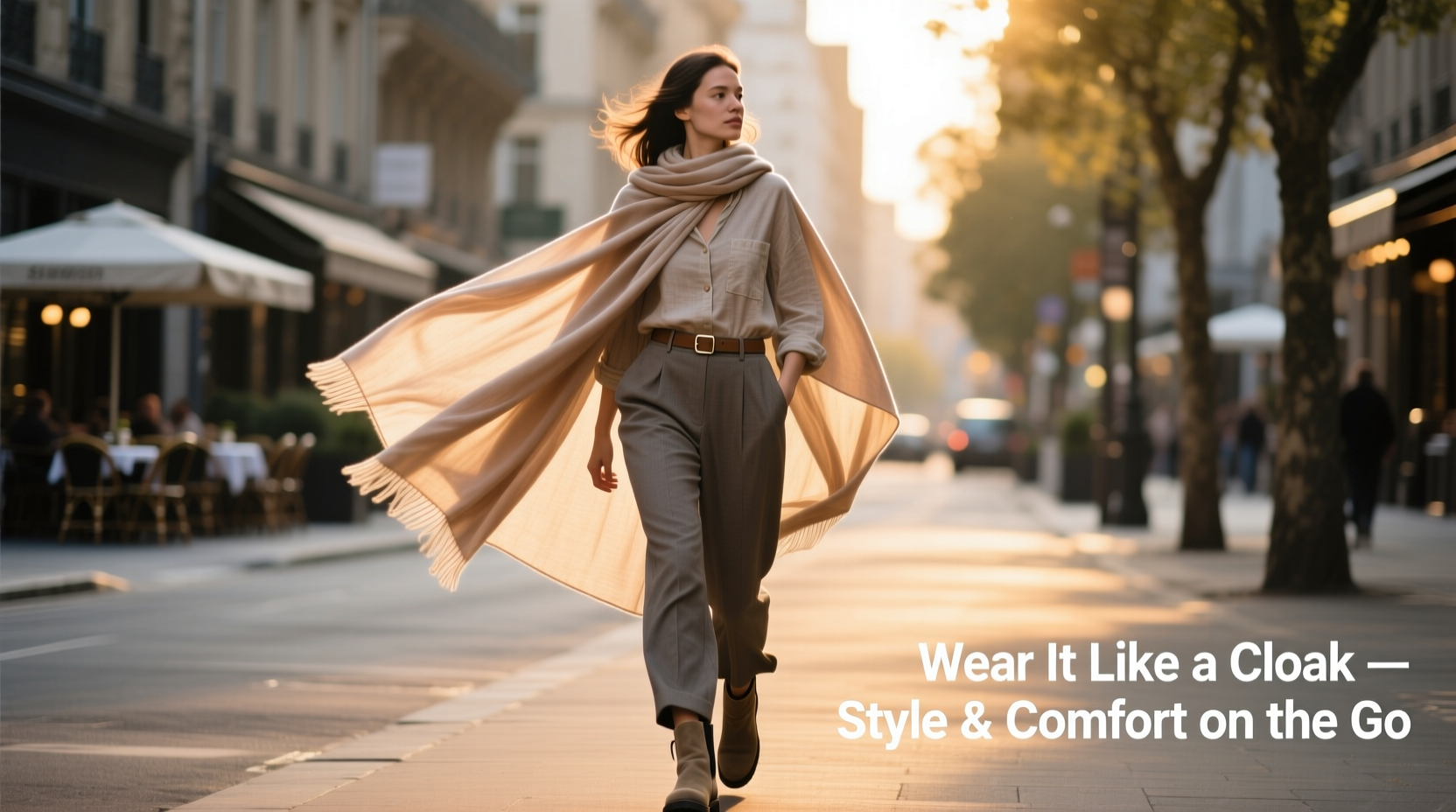
A full coat or jacket takes up space and adds weight—luxuries most travelers try to avoid. A large scarf, however, folds into a small bundle and adapts to multiple roles: shawl, blanket, head covering, or impromptu wrap. It’s ideal for layering over blouses, dresses, or t-shirts when air conditioning bites or evening temperatures drop.
Fabrics like merino wool, cashmere blends, or high-quality viscose provide insulation without overheating. Plus, unlike bulky outerwear, a scarf allows freedom of movement and transitions seamlessly from transit to destination.
Tip: Choose scarves at least 70 inches long and 30 inches wide for optimal coverage and draping ability.Selecting the Right Scarf for Travel
Not all scarves are created equal when it comes to functional versatility. The key is balancing material, size, and weight.
| Fabric Type | Pros | Cons |
|---|---|---|
| Merino Wool | Warm, breathable, odor-resistant, naturally wrinkle-free | Can be expensive; requires gentle care |
| Cashmere Blend | Luxuriously soft, excellent drape, warm yet light | Pricier; not ideal for humid climates |
| Viscose/Rayon | Lightweight, silky feel, easy to fold | Less insulating; may crease easily |
| Cotton Modal Blend | Breathable, eco-friendly, good for warm-to-cool transitions | Limited warmth in cold environments |
For maximum utility, pack one neutral-toned oversized scarf (like charcoal, navy, or camel) and one patterned option (such as geometric prints or subtle paisley) to pair with different outfits. Solid colors offer wardrobe flexibility; patterns add personality without requiring additional accessories.
Step-by-Step Guide: How to Wear a Scarf as a Travel Cloak
Using a scarf effectively as a cloak involves strategic draping and securing. Here’s how to do it in five adaptable ways:
- The Classic Drape: Fold the scarf in half lengthwise and place it around your shoulders like a shawl. Pull the loose ends through the loop formed by the fold. Adjust for even coverage across the back and chest. Ideal for flights and waiting areas.
- The Belted Wrap: Drape the scarf over both shoulders, bringing the ends to the front. Secure with a slim belt or cord at the waist to create a cocoon-like silhouette. Adds structure and prevents slipping.
- The Cross-Wrap Tie: Place the scarf diagonally across your torso. Bring both ends behind your back, cross them, and bring them forward to tie loosely at the side. Offers secure coverage and wind protection.
- The Poncho Fold: Use a square scarf or oversized rectangle. Drape it over your head with one corner at the nape of your neck. Bring the two sides forward over your shoulders and fasten with a brooch or knot. Instant poncho effect.
- The Arm-Tucked Method: Drape the scarf across your back and under both arms. Bring the ends to the front and tie gently at the collarbone. Keeps the scarf firmly in place during walking or transit.
Real-World Example: Sarah’s Weekend Trip to Reykjavik
Sarah flew from Barcelona to Reykjavik for a winter weekend. She packed only carry-on luggage, including a single 80” x 40” merino-cotton blend scarf in deep burgundy. During her flight, she used the classic drape method to stay warm in the over-air-conditioned cabin. Upon landing, winds whipped across the tarmac—she switched to the belted wrap using a leather cord from her tote, transforming the scarf into a snug half-cape.
At a local café, she draped it loosely over her shoulders for photos, then later used it as a lap blanket during a whale-watching boat tour. “It replaced my coat in three different scenarios,” she said. “And I got compliments everywhere.”
“A well-chosen scarf is the ultimate minimalist’s outerwear. It bridges fashion and function where traditional layers fail.” — Lena Torres, Sustainable Travel Stylist
Checklist: Packing and Using Your Scarf as a Travel Cloak
- ✅ Choose a large, high-quality scarf (minimum 70” x 30”)
- ✅ Opt for natural or blended fibers suited to your destination climate
- ✅ Pack a lightweight shawl pin, brooch, or adjustable cord for securing
- ✅ Practice one or two wrapping styles before departure
- ✅ Layer over fitted tops or dresses to prevent bunching
- ✅ Fold and store in a packing cube to minimize wrinkles
- ✅ Refresh with a travel steamer or damp towel press if needed
Common Mistakes to Avoid
- Using too small a scarf: Anything under 60” limits coverage and increases slippage.
- Ignoring fabric weight: Silk scarves look elegant but offer little warmth. Reserve them for mild climates.
- Over-accessorizing: One pin or belt is enough. Too many fasteners create bulk and discomfort.
- Wearing with oversized tops: Loose shirts or sweaters underneath can make the wrap appear shapeless.
- Forgetting care instructions: Some materials require hand washing or dry cleaning—check labels before travel.
Frequently Asked Questions
Can I use a silk scarf as a travel cloak?
Silk scarves are best suited for warm or temperate destinations. While they drape beautifully and resist odors, they provide minimal insulation. In cooler settings, opt for wool, cotton, or blends with thermal properties.
How do I keep my scarf from slipping off?
Use friction and tension to your advantage. The folded-loop drape or arm-tucked methods work well. Alternatively, attach a discreet silicone grip strip or use a lightweight shawl pin at the shoulder. Avoid slippery fabrics on smooth clothing.
Is it appropriate to wear a scarf as outerwear in formal settings?
Absolutely—if styled intentionally. A large cashmere or wool-blend scarf worn as a belted wrap can resemble a tailored cape. Pair it with structured pieces like a trench dress or tailored pants for polished results.
Final Thoughts: Embrace Simplicity and Style
Travel dressing should prioritize adaptability without sacrificing dignity or design. A scarf worn as a cloak proves that less truly can be more. It reduces luggage weight, eliminates the need for multiple layers, and elevates any outfit with minimal effort. Whether navigating airport terminals or exploring cobblestone streets, this simple piece becomes your most reliable companion.
Start by investing in one high-quality, generously sized scarf in a neutral tone. Master two wrapping techniques before your next trip. Notice how much lighter your bag feels—and how confidently you move between climates and cultures.
💬 What’s your favorite way to style a scarf while traveling? Share your go-to technique or fabric pick in the comments—your tip could inspire another traveler’s journey.