Finding a vintage Louis Vuitton bag at a thrift store, estate sale, or online marketplace can feel like uncovering buried treasure. The iconic monogram, timeless design, and enduring craftsmanship make these pieces highly desirable. But with that desirability comes risk: counterfeiters have been replicating Louis Vuitton designs for decades, often with startling accuracy. Authenticating a vintage piece requires more than just recognizing the brand’s logo—it demands attention to detail, historical knowledge, and an understanding of manufacturing evolution.
Unlike modern luxury goods, vintage Louis Vuitton bags don’t come with authentication cards, dust bags, or receipts. Serial numbers weren’t consistently used until the 2000s, and production methods changed over time. This makes it essential to know what to look for—and what red flags to avoid—when evaluating a potential find.
Understanding Louis Vuitton’s Historical Production Changes
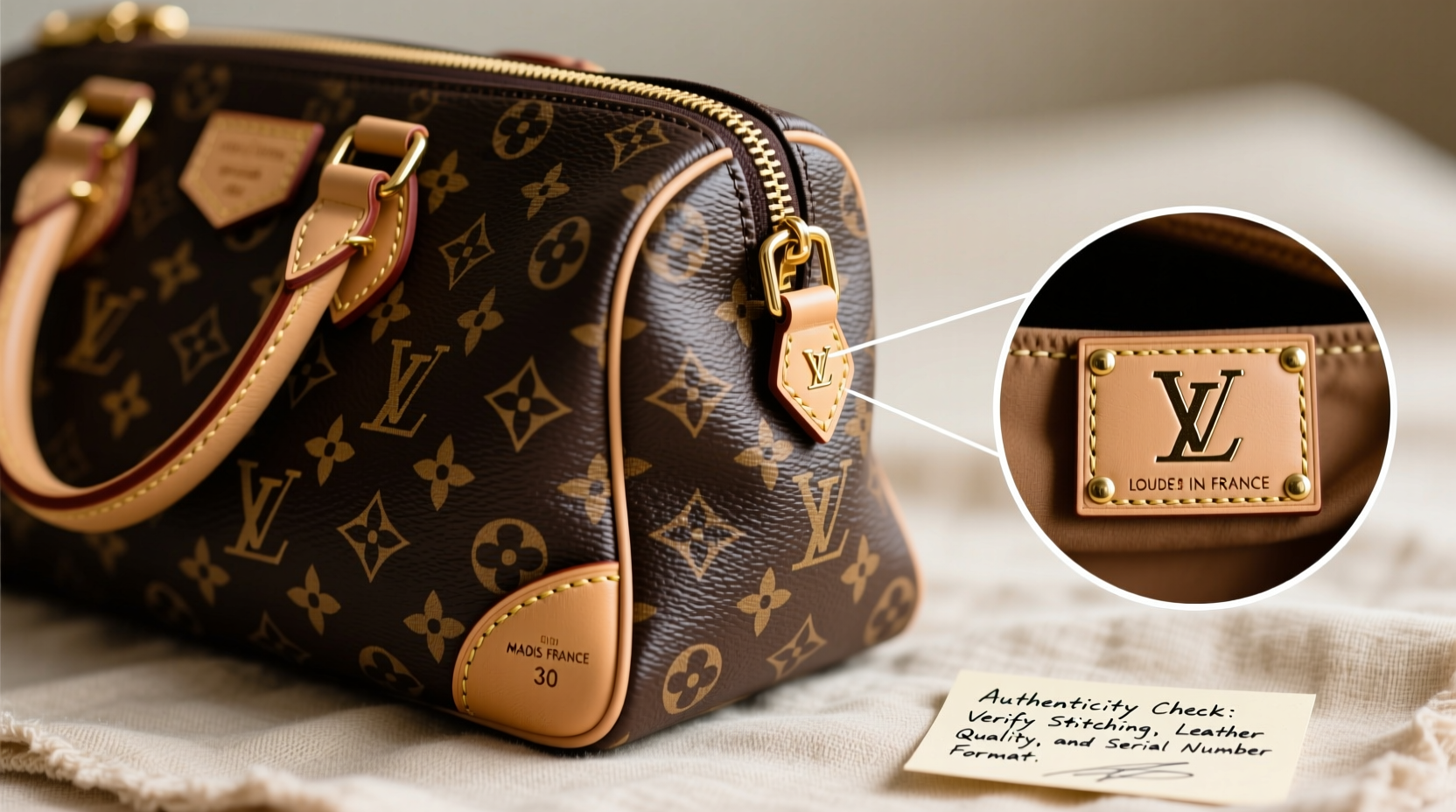
Authenticating a vintage Louis Vuitton bag starts with context. The brand has evolved significantly since its founding in 1854, and production details vary by decade. Knowing when certain features were introduced or phased out helps distinguish genuine items from fakes.
For example, early 20th-century Louis Vuitton luggage was made with natural cowhide leather trim, which darkened with age. By the 1970s, the brand transitioned to brassy golden hardware and standardized date codes. In the 1990s, brass components shifted to a shinier, more yellow-gold tone. These subtle shifts matter when assessing authenticity.
The canvas itself also changed. Vintage monogram canvas tends to be stiffer and slightly less glossy than modern versions. Counterfeiters often use overly shiny or flimsy fabric that lacks the structured handfeel of genuine Louis Vuitton toile.
Tip: Research the era of the bag you’re examining. A bag claiming to be from the 1960s but featuring a modern-style date code is almost certainly fake.Key Authentication Features to Examine
When inspecting a vintage Louis Vuitton bag, focus on five core elements: the date code, stitching, hardware, interior lining, and shape/proportions.
Date Codes and Their Evolution
Vintage Louis Vuitton bags do not have serial numbers in the modern sense. Instead, they feature date codes—short alphanumeric stamps indicating the factory and approximate production date.
- Pre-1980s: No standardized date codes. Authenticity relies heavily on construction, materials, and provenance.
- 1980s–1990s: Two-letter, four-digit format (e.g., AR 1234). Letters indicate the factory, numbers represent week and year.
- 2000s onward: Two-letter, five-digit format (e.g., SD 00234), where the last two digits are the year.
A common mistake is assuming all vintage bags should have a date code. Many pre-1980 pieces won’t, so absence alone isn’t proof of inauthenticity—but presence on a bag claiming to be from the 1950s is a major red flag.
Stitching Quality and Pattern
Genuine Louis Vuitton bags are known for precise, consistent hand-stitching. Key indicators include:
- Stitches per inch: Typically 7–9 stitches per inch on vintage pieces.
- Thread color: Must match the leather trim exactly—no off-tones or mismatched hues.
- Symmetry: All seams are straight and evenly spaced. Crooked or uneven stitching is a sign of poor replication.
“Louis Vuitton’s stitching hasn’t changed much in 50 years because perfection was achieved early. If it looks rushed or inconsistent, it’s not authentic.” — Clara Nguyen, Vintage Luxury Appraiser
Hardware Details That Matter
Hardware is one of the easiest areas for counterfeiters to get wrong. On vintage bags, examine:
- Engravings: Real Louis Vuitton zippers, buckles, and studs have crisp, deep engravings of “LV” or “Louis Vuitton Paris.” Fakes often have shallow, blurry, or misaligned logos.
- Weight: Authentic brass hardware feels substantial. Lightweight or hollow-feeling metal suggests cheap alloy.
- Patina: Vintage hardware develops a natural tarnish over time. Uniformly shiny gold or silver plating on an old bag may indicate replacement or forgery.
Interior Lining and Labeling
The interior of a vintage Louis Vuitton bag provides crucial clues. Most classic monogram styles feature beige cotton textile lining with a brown leather label stamped “Louis Vuitton Paris.”
- Font must be clean, evenly spaced, and deeply embossed.
- No spelling errors (“Lousi” instead of “Louis,” for example).
- Labels on older bags may show slight discoloration or wear—but never peeling laminate or sticky residue unless tampered with.
Shape and Proportions
Counterfeiters often misproportion handles, pockets, or overall silhouette. Compare the bag to verified archival images. A Speedy 25 should measure approximately 10 inches wide; if it’s significantly larger or smaller, it’s likely not authentic.
| Feature | Authentic Indicator | Red Flag |
|---|---|---|
| Canvas Texture | Stiff, structured, slightly matte | Flimsy, overly shiny, or wrinkled easily |
| Stitching | 7–9 stitches per inch, consistent | Fewer than 6, uneven, or wobbly |
| Hardware Engraving | Crisp, deep, aligned | Blurry, shallow, crooked |
| Interior Label | Beige linen, embossed text | Polyester lining, printed sticker |
| Date Code Placement | Near side seam or inside pocket | On strap, front flap, or missing entirely on post-1980 bag |
Step-by-Step Guide to Authenticating a Vintage Find
Follow this systematic process when evaluating a vintage Louis Vuitton bag, whether in person or online.
- Verify the Style and Era Match: Confirm the model existed during the claimed production period. For example, the Alma bag wasn’t introduced until 2007, so a “vintage” Alma from the 1970s is impossible.
- Inspect the Canvas Under Natural Light: Look for consistency in the monogram pattern. Genuine canvas aligns perfectly across panels. Misaligned logos or distorted shapes indicate poor reproduction.
- Check Stitching Direction and Density: Use a magnifying glass if possible. Stitches should run parallel and never skip or double up.
- Examine Hardware Closely: Flip zippers, test clasps, and inspect engraving depth. Real YKK or Lampo zippers are rare in vintage LV—most used custom-made hardware.
- Review Interior Construction: Linings should be taut, not sagging. Leather labels should be securely stitched, not glued.
- Assess Smell and Feel: Authentic vintage leather has a distinct, rich scent. Fakes often smell like chemicals or new plastic.
- Cross-Reference with Trusted Databases: Use resources like The RealReal’s archive, Rebag’s authenticity guides, or Luxury Authentication Facebook groups to compare your findings.
Mini Case Study: The Estate Sale Speedy 30
Jamie found a Louis Vuitton Speedy 30 at a local estate sale, priced at $400. The seller claimed it was from the 1980s and had belonged to her aunt who traveled frequently. Excited but cautious, Jamie followed a careful inspection process.
She first checked the canvas: tight weave, correct monogram alignment, no sheen. The leather trim was honey-colored, consistent with aged natural cowhide. Inside, the beige textile lining showed minor wear but no stains. The leather label read “Louis Vuitton Paris” with deep, even embossing.
The stitching averaged 8 per inch, straight and wax-coated. Hardware included a padlock with a key, both engraved clearly. A date code “AR 2387” suggested production in the late 1980s—plausible for the claim.
She noticed one oddity: the base corners had protective metal feet, which weren’t standard on Speedy bags until later. Further research revealed that corner protectors were sometimes added by owners for durability. This wasn’t a flaw, just customization.
Jamie submitted photos to a certified authenticator through Entrupy. After analysis, the bag was confirmed genuine. She purchased it and later resold it for $1,200 after restoration.
This case underscores the importance of thorough evaluation—even seemingly minor details can confirm or break authenticity.
Common Red Flags and How to Avoid Scams
Scammers prey on excitement and urgency. Be wary of sellers who pressure quick decisions or refuse returns. Here are common red flags:
- Too good to be true pricing: A vintage Neverfull going for $200? Likely fake.
- Photos taken in low light or with filters: Hides flaws and inconsistencies.
- No close-ups of critical areas: Refusal to provide detailed shots of stitching or labels is suspicious.
- Claims of “rare” or “discontinued” models: Often used to justify odd features or inflated prices.
- Use of terms like “authentic replica”: A contradiction in terms—either it’s real or it’s not.
Always insist on return policies and consider third-party authentication before finalizing a purchase.
Expert Verification: When to Seek Professional Help
Even experienced collectors get fooled. Third-party authentication services add a layer of security, especially for high-value purchases.
Platforms like Entrupy, LegitGrails, and REAL Authentication use AI and expert review to verify luxury goods. Fees range from $30 to $100, but they’re worth it for peace of mind.
Some auction houses and consignment stores offer in-house authentication. Reputable dealers like Vestiaire Collective and The RealReal authenticate every item before listing.
“You can learn all the signs, but nothing replaces a trained eye under magnification. For anything over $500, pay for professional verification.” — Marcus Reed, Luxury Resale Consultant
FAQ
Do all vintage Louis Vuitton bags have date codes?
No. Date codes were not used before the 1980s. Bags from the 1950s, 60s, and 70s typically lack them. Their absence isn’t a sign of inauthenticity if the bag predates that system.
Can I clean a vintage Louis Vuitton bag myself?
Surface cleaning with a dry microfiber cloth is safe. Avoid water, alcohol, or commercial cleaners. For deep cleaning or stain removal, consult a professional leather restorer familiar with vintage luxury goods.
How do I store a vintage Louis Vuitton bag long-term?
Store in a breathable cotton dust bag, away from sunlight and humidity. Stuff with acid-free tissue paper to maintain shape. Never use plastic bags—they trap moisture and degrade materials over time.
Final Checklist Before Buying
- ✅ Confirmed the model existed in the claimed era
- ✅ Inspected canvas texture and print alignment
- ✅ Counted stitches and checked thread color
- ✅ Verified hardware weight, engraving, and patina
- ✅ Reviewed interior lining and label condition
- ✅ Checked for date code—if applicable—and interpreted correctly
- ✅ Sought third-party authentication for high-value items
- ✅ Ensured return policy or money-back guarantee
Conclusion
Authenticating a vintage Louis Vuitton bag is equal parts art and science. It rewards patience, research, and a meticulous eye for detail. While the thrill of the hunt is real, the true value lies in owning a piece of fashion history that’s genuinely yours—not a clever imitation.
Whether you're building a collection, investing in heirloom quality, or simply love the heritage of Louis Vuitton, take the time to verify every detail. Protect your investment, honor the craftsmanship, and shop with confidence.
💬 Found a vintage Louis Vuitton bag recently? Share your story or ask for help identifying it in the comments below.