In the world of hip hop jewelry, authenticity isn’t just about status—it’s about value, integrity, and long-term investment. As rappers, collectors, and fashion-forward individuals continue to embrace high-clarity diamonds like VVS1, counterfeiters have stepped up their game. What looks flawless under club lights might be a lab-grown simulant or even cubic zirconia under magnification. Knowing how to distinguish a genuine VVS1 diamond from an imitation is essential whether you're customizing a grill, upgrading your chain, or investing in a statement piece.
VVS1—Very, Very Slightly Included 1—is among the highest clarity grades assigned by the Gemological Institute of America (GIA). These diamonds contain minute inclusions that are nearly impossible to detect under 10x magnification by a trained grader. In hip hop culture, where precision and excellence are celebrated, settling for less than authentic undermines both aesthetic and financial worth.
Understanding VVS1 Diamond Clarity: What It Really Means
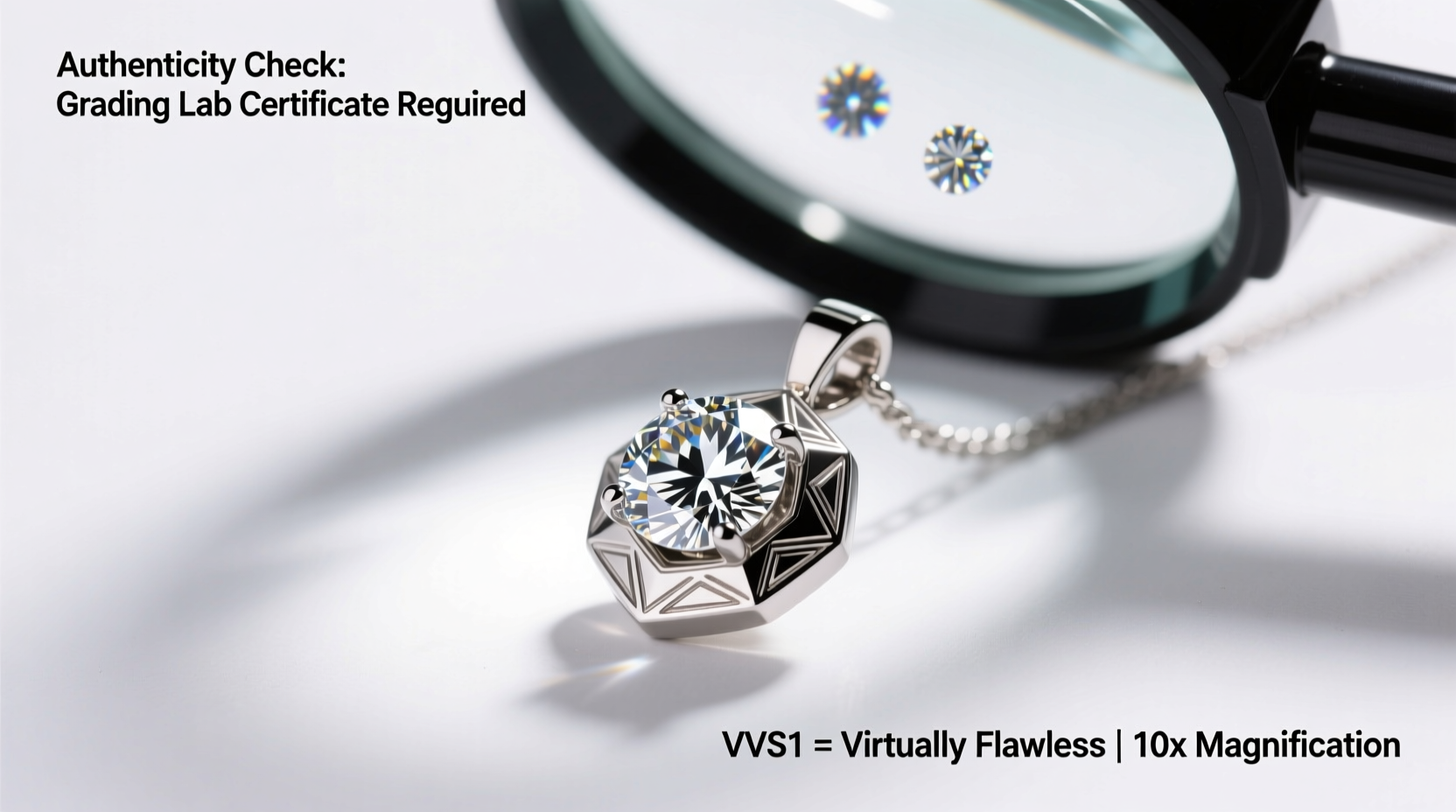
Diamond clarity measures the presence and visibility of internal flaws (inclusions) and surface imperfections (blemishes). The GIA clarity scale ranges from Flawless (FL) down to Included (I3). VVS1 sits just below FL and IF (Internally Flawless), making it one of the rarest and most desirable grades for fine jewelry.
In practical terms, a true VVS1 diamond will appear completely clean to the naked eye and even under standard jeweler’s loupes. Its inclusions are so microscopic they don’t affect light performance, brilliance, or durability. This level of purity is especially critical in large center stones or intricate pave settings common in hip hop pieces like ice watches, tennis chains, and oversized rings.
“VVS1 isn’t just a label—it’s a promise of optical perfection. When set correctly, these diamonds deliver unmatched fire and scintillation.” — Dr. Lena Patel, GIA-Certified Gemologist
5 Key Signs of an Authentic VVS1 Diamond in Jewelry
Spotting a real VVS1 diamond requires more than visual appeal. Here are five reliable indicators:
- No visible inclusions to the naked eye or under 10x magnification: True VVS1 stones show no dark spots, feathers, or clouds without specialized equipment.
- Proper certification from GIA or AGS: Only reports from these labs carry global credibility. Avoid generic “certificates” from unknown labs.
- Consistent sparkle across all lighting conditions: Imitations often look dull in natural light or flicker unnaturally under movement.
- Laser-inscribed serial number on the girdle: Many genuine GIA-graded diamonds have micro-laser IDs matching the report.
- Thermal conductivity test results: Diamonds conduct heat efficiently; simulants like moissanite or CZ do not.
Step-by-Step Guide: How to Verify a VVS1 Diamond Before Purchase
Buying high-end hip hop jewelry should never be impulsive. Follow this verification process to ensure authenticity:
- Request full documentation: Ask for the GIA or AGS certificate. Cross-check the report date, carat weight, cut, color, and clarity.
- Inspect under magnification: Use a 10x jeweler’s loupe or digital microscope to scan for inclusions. A true VVS1 will reveal almost nothing.
- Conduct a fog test (temporary check): Breathe on the stone. Real diamonds disperse heat instantly and won’t fog up like glass or CZ.
- Use a diamond tester: Handheld thermal testers can differentiate diamonds from most simulants. Moissanite may register as diamond on basic models—use a dual-mode tester.
- Verify laser inscription: With a microscope, locate the GIA report number etched on the girdle and match it to the certificate.
- Consult an independent appraiser: For purchases over $5,000, get a third-party evaluation before finalizing.
Common Pitfalls: Mistaking Simulants for VVS1 Diamonds
The market is flooded with convincing alternatives marketed as “VVS quality.” While some are legitimate lab-grown diamonds (which can be VVS1 too), others are deceptive substitutes. Know the difference.
| Material | Clarity Claim | Reality Check | How to Spot |
|---|---|---|---|
| Cubic Zirconia (CZ) | \"Flawless\" | Always internally flawless but overly brilliant with excessive rainbow flashes | Fails thermal test; shows wear easily; lacks GIA report |
| Moissanite | \"VVS-like\" | Double refraction creates blurred facets; often near-colorless | Sparkles with more colored fire; registers positive on some diamond testers |
| Lab-Grown Diamond | Can be genuine VVS1 | Synthetic but chemically identical; must be disclosed | Check report footnote: “Laboratory Grown” |
| Glass or YAG | \"Premium clarity\" | Soft, scratches easily, poor luster | Surface bubbles, low density, inconsistent weight |
Real Example: How One Buyer Avoided a $20,000 Scam
Jamal T., a jewelry collector from Atlanta, was offered a custom VVS1 diamond-encrusted pendant for $20,000—40% below market value. The seller provided a “certification” from a non-accredited lab and claimed the stones were “GIA-equivalent.” Suspicious, Jamal took the piece to a local GIA-affiliated appraiser.
Under magnification, the appraiser found consistent internal fractures and abnormally perfect symmetry—red flags for mass-produced simulants. A thermal test confirmed the stones were not diamonds. Further investigation revealed the “certificate” was digitally forged. By insisting on verification, Jamal avoided a costly mistake and reported the vendor to consumer protection authorities.
Checklist: Essential Steps Before Buying VVS1 Hip Hop Jewelry
- ✅ Confirm the gemstone report is from GIA or AGS
- ✅ Match the laser inscription to the report number
- ✅ Examine the jewelry under 10x magnification
- ✅ Perform a thermal conductivity test
- ✅ Check for proper metal hallmarks (e.g., 14K, 18K, PT950)
- ✅ Buy from a reputable dealer with physical presence or verified track record
- ✅ Get a written appraisal for insurance purposes
Frequently Asked Questions
Can lab-grown diamonds be VVS1?
Yes. Lab-grown diamonds can achieve VVS1 clarity and are graded using the same standards as mined diamonds. However, they must be clearly labeled as synthetic. Their value is typically 30–50% lower than natural equivalents.
Is “eye-clean” the same as VVS1?
No. Many SI1 or even SI2 diamonds appear eye-clean but have visible inclusions under magnification. VVS1 is a precise grade indicating near-perfect internal structure, not just visual cleanliness.
Do all VVS1 diamonds sparkle the same?
No. Clarity affects purity, not brilliance. Cut quality determines sparkle. A poorly cut VVS1 diamond may look lifeless compared to a well-cut VS2. Always assess cut, color, and carat alongside clarity.
Final Advice: Trust Expertise Over Hype
The allure of VVS1 diamonds in hip hop jewelry lies in their rarity, brilliance, and symbolic power. But prestige means nothing if the foundation is fake. Authenticity begins with education, continues with verification, and ends with confidence.
Don’t let aggressive marketing or flashy presentations override due diligence. Whether you’re spending $2,000 or $100,000, demand transparency, insist on certification, and work with professionals who respect the craft. True luxury isn’t just seen—it’s proven.
🚀 Ready to upgrade your collection with confidence? Share this guide with fellow collectors, save it for your next purchase, or leave a comment with your verification tips to help others stay sharp in the game.








