Selecting an iPhone case isn’t just about matching your outfit or personal aesthetic—it’s a decision that affects your device’s longevity, functionality, and daily comfort. With so many materials on the market, from rugged polycarbonate to sleek leather, making the right choice requires understanding what each offers in terms of impact resistance, scratch protection, grip, and visual appeal. The ideal case balances toughness with taste, ensuring your phone stays safe without sacrificing style.
Understanding Common iPhone Case Materials
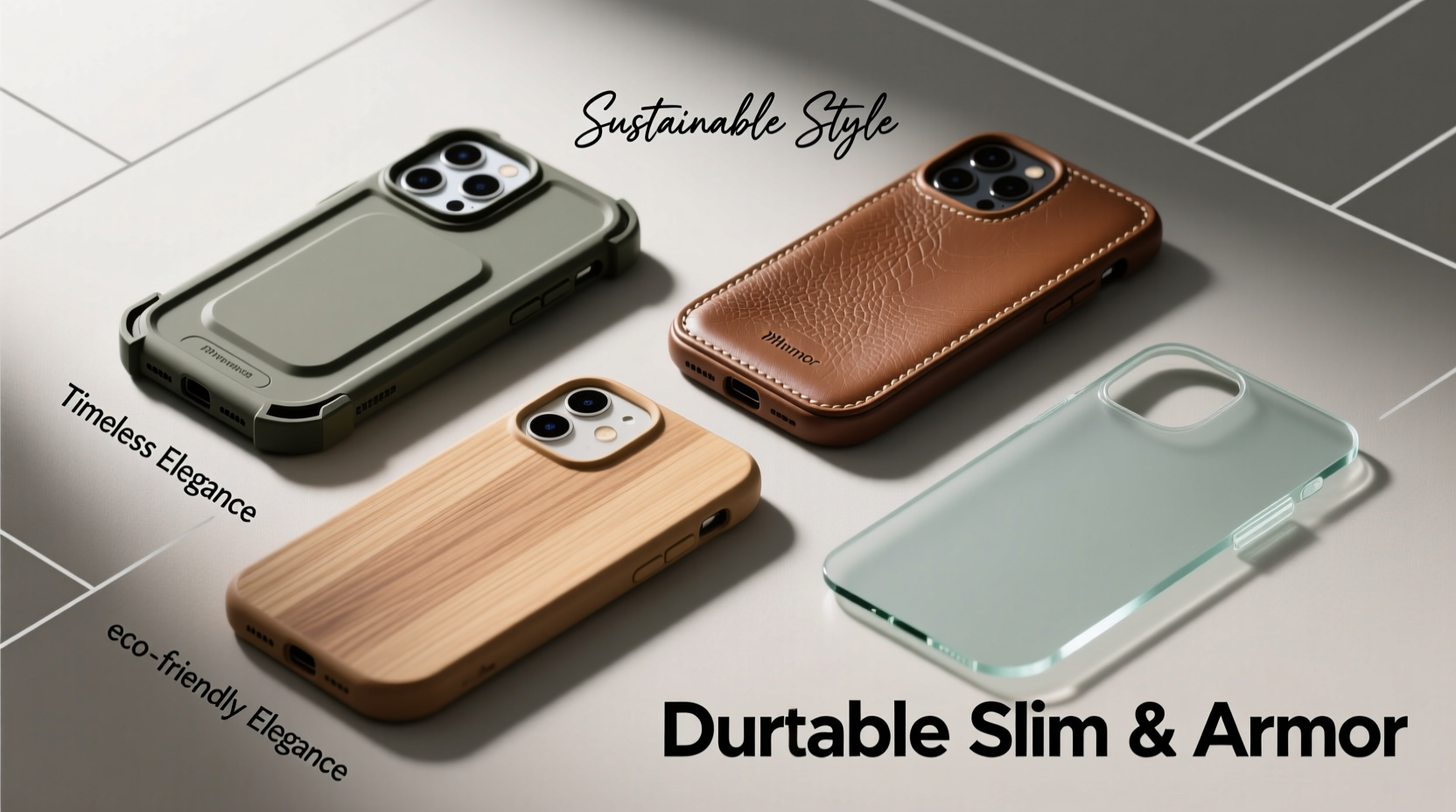
The material of your iPhone case directly influences how well it protects your device and how it feels in your hand. Each option has distinct advantages and trade-offs. Here’s a breakdown of the most widely used materials:
- Silicone: Soft, flexible, and grippy, silicone cases offer moderate drop protection and resist slipping. They’re available in many colors but can attract dust and lint over time.
- Thermoplastic Polyurethane (TPU): A popular hybrid between rubber and plastic, TPU is durable, slightly flexible, and provides excellent shock absorption. It’s often used in clear cases but may yellow with prolonged UV exposure.
- Polycarbonate (Hard Plastic): Rigid and scratch-resistant, polycarbonate delivers strong structural protection. It’s commonly found in slim, form-fitting cases but offers less cushioning during high-impact drops.
- Leather: Premium and stylish, leather ages beautifully and develops a unique patina. Genuine leather molds to your phone over time but requires maintenance and offers less drop protection than synthetic options.
- Hybrid Cases: These combine two or more materials—typically a hard outer shell with a soft inner lining (like TPU or rubber). Hybrid designs maximize both shock absorption and structural integrity.
- Bamboo & Other Eco-Materials: Sustainable alternatives like bamboo, cork, or recycled plastics offer eco-friendly appeal but vary in durability and may lack consistent drop-test certifications.
Comparing Durability and Style: A Material Breakdown
Durability and style don’t have to be mutually exclusive. However, certain materials excel in one area while falling short in another. To help you make an informed decision, here’s a side-by-side comparison:
| Material | Drop Protection | Scratch Resistance | Style Options | Maintenance Level |
|---|---|---|---|---|
| Silicone | Moderate | Low | High (color variety) | Medium (lint attraction) |
| TPU | High | Moderate | Moderate (clear, matte finishes) | Low (may yellow) |
| Polycarbonate | Moderate | High | High (glossy, metallic finishes) | Low |
| Leather | Low-Moderate | Moderate | Very High (luxury appeal) | High (conditioning needed) |
| Hybrid | Very High | High | Moderate | Low |
| Eco-Materials | Variable | Low-Moderate | Unique (natural textures) | Medium |
This table highlights why many users opt for hybrid cases when they want top-tier protection without completely sacrificing design. For those who value aesthetics above all, premium leather or polished polycarbonate might be worth the slight reduction in impact resilience.
Real-World Example: Choosing for Lifestyle
Consider Sarah, a freelance photographer who hikes weekly and uses her iPhone for client shoots. She initially chose a minimalist leather case for its elegance but cracked her screen after a fall on rocky terrain. Switching to a rugged hybrid case with reinforced corners and a raised bezel, she now enjoys peace of mind—even when shooting near waterfalls or scrambling over trails. While the new case is bulkier, its superior shock absorption aligns better with her active lifestyle.
In contrast, James, a corporate attorney, prefers a slim polycarbonate case in matte black. His phone rarely leaves his desk or suit pocket, so he prioritizes professionalism and thinness over extreme durability. His choice reflects how usage patterns should dictate material selection—not just trends or aesthetics.
“Your phone case should reflect not just your taste, but your habits. A beautiful case won’t help if it fails when you need it most.” — Marcus Lin, Mobile Device Protection Specialist
Step-by-Step Guide to Selecting Your Ideal Case
Follow this practical process to identify the best material for your needs:
- Assess Your Daily Routine: Do you commute heavily? Work outdoors? Carry your phone in a bag? High-risk environments demand tougher materials like TPU or hybrid builds.
- Determine Priority: Protection vs. Aesthetics: Rank what matters most—long-term device safety or visual appeal. Most people benefit from a balanced approach.
- Check Drop Test Certifications: Look for MIL-STD-810G ratings or equivalent third-party testing, especially if considering brands like OtterBox, Spigen, or UAG.
- Test the Grip and Feel: Visit a store if possible. A slippery case increases drop risk. Textured or matte finishes improve hold.
- Consider Longevity Factors: Will the material yellow (TPU)? Dry out (leather)? Wear unevenly? Choose based on how long you plan to keep the case.
- Evaluate Compatibility: Ensure the case doesn’t interfere with wireless charging, camera clarity, or button responsiveness—common issues with thick or poorly designed materials.
Essential Checklist Before Buying
Before finalizing your purchase, run through this checklist:
- ✅ Does the material provide adequate shock absorption for my lifestyle?
- ✅ Is the case resistant to scratches and everyday wear?
- ✅ Does it maintain a secure grip without being sticky or bulky?
- ✅ Will it work seamlessly with wireless charging and all ports/buttons?
- ✅ Does the color or finish complement my personal style long-term?
- ✅ Is it easy to clean and maintain (e.g., no lint traps or delicate surfaces)?
- ✅ Has it been independently tested for drop protection?
Frequently Asked Questions
Do clear cases yellow over time?
Yes, most clear cases made from TPU will gradually yellow due to exposure to UV light, oils from skin, and environmental pollutants. Silicone and polycarbonate variants tend to resist discoloration longer. To minimize yellowing, avoid leaving your phone in direct sunlight and clean the case regularly with mild soap and water.
Is leather really durable for iPhone cases?
Genuine leather is durable in terms of structure and aging but offers limited impact protection compared to synthetic materials. It excels in style and develops a rich patina over time. However, it should be conditioned periodically to prevent drying and cracking. It’s best suited for low-impact use.
Are eco-friendly cases as protective as traditional ones?
Some are, but many sustainable materials like bamboo or plant-based bioplastics haven’t undergone rigorous drop testing. While innovative, they often prioritize sustainability over ruggedness. If you lead an active life, pair eco-conscious values with brands that certify their protection standards.
Final Thoughts: Match Material to Life
The perfect iPhone case isn’t defined by price or brand alone—it’s the one that aligns with how you live. Whether you need military-grade toughness for outdoor adventures or a sleek, minimalist profile for boardroom meetings, the right material makes all the difference. Prioritize function where it counts, then layer in style to express your personality. A well-chosen case extends your phone’s lifespan, enhances usability, and reflects thoughtful decision-making.
💬 Found your ideal case material? Share your experience or tips with others in the comments—help fellow users protect their devices in style!