Choosing the right metal for a necklace chain isn’t just about aesthetics—it’s a decision that affects comfort, longevity, maintenance, and even health. With so many options available, from classic gold to modern titanium, making an informed choice ensures your jewelry remains a meaningful, wearable investment. This guide breaks down the key factors, compares popular metals, and provides actionable insights to help you select the perfect material for your next piece.
Understanding Your Priorities: The Foundation of Selection
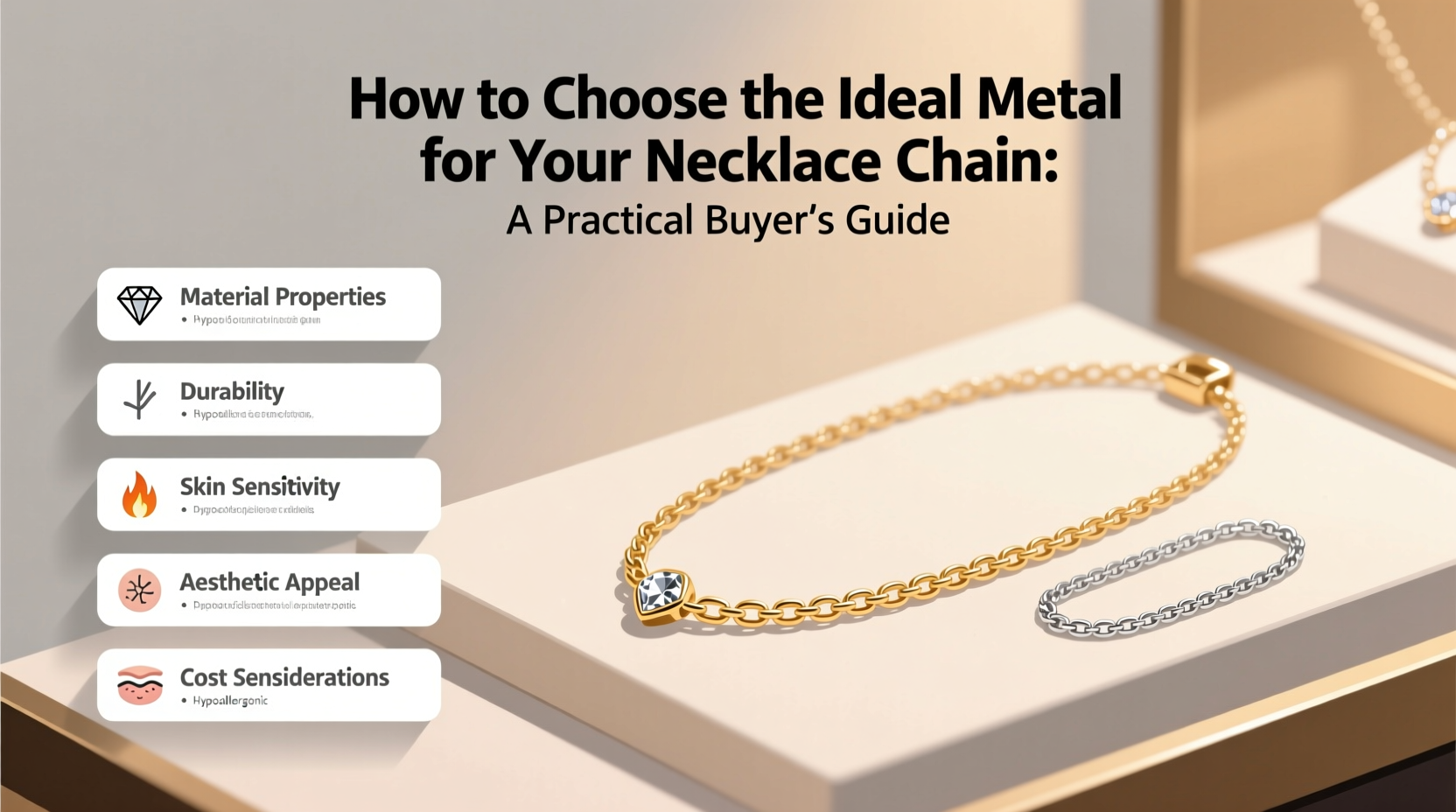
Before diving into specific metals, it’s essential to identify what matters most in your necklace. Different metals excel in different areas, so aligning your choice with your lifestyle and preferences is crucial. Consider these four core criteria:
- Durability: Will the chain withstand daily wear, sports, or manual work?
- Hypoallergenic Properties: Do you have sensitive skin or a history of metal allergies?
- Budget: Are you looking for long-term value or a short-term accessory?
- Aesthetic Preference: Do you favor warm tones like yellow gold, cool silvers, or something bold like black steel?
Answering these questions narrows your options significantly. For instance, someone with active hands may prioritize strength over luster, while another might choose appearance above all else.
Tip: Always ask for a hallmark stamp—like “14K” or “925”—to verify metal purity and authenticity.Comparing Common Necklace Metals: A Detailed Breakdown
The market offers a wide range of metals, each with distinct advantages and drawbacks. Below is a comprehensive comparison of the most widely used materials in necklace chains.
| Metal | Pros | Cons | Best For |
|---|---|---|---|
| Yellow Gold (10K–18K) | Luxurious appearance, timeless appeal, high resale value | Softer at higher karats, prone to scratches, expensive | Formal wear, heirloom pieces, gifting |
| White Gold | Modern look, scratch-resistant when rhodium-plated, durable | Requires re-plating every few years, contains nickel (can irritate skin) | Diamond pendants, everyday elegance |
| Rose Gold | Unique pink hue, trendy, more durable than yellow gold due to copper alloy | Color may deepen over time, less traditional | Fashion-forward styles, romantic designs |
| Sterling Silver (925) | Affordable, bright luster, widely available | Tarnishes easily, softer metal, requires frequent polishing | Casual wear, artistic designs, budget-conscious buyers |
| Platinum | Extremely durable, hypoallergenic, naturally white, retains shine | Very heavy, expensive, limited design variety | Heirlooms, engagement pendants, sensitive skin |
| Titanium | Lightweight, corrosion-resistant, hypoallergenic, modern finish | Cannot be resized easily, limited jeweler availability | Active lifestyles, medical ID chains, minimalist designs |
| Stainless Steel | Highly durable, affordable, resistant to tarnish and water | Less luxurious feel, harder to repair, limited resale value | Everyday wear, sporty looks, men’s chains |
“Platinum and titanium are game-changers for people with allergies. Their biocompatibility makes them ideal for constant wear.” — Dr. Lena Patel, Dermatologist & Jewelry Health Consultant
Step-by-Step Guide: Choosing Your Ideal Metal
Selecting the best metal doesn’t have to be overwhelming. Follow this six-step process to make a confident, personalized decision.
- Assess Your Skin Sensitivity: If you’ve had reactions to costume jewelry or belt buckles, avoid metals with nickel, such as some white gold alloys. Opt instead for platinum, titanium, or nickel-free stainless steel.
- Determine Usage Frequency: Will you wear the necklace daily? If so, prioritize durability. Stainless steel, platinum, or 14K gold are excellent for long-term use.
- Match to Your Style Palette: Cool undertones suit silver, white gold, or platinum. Warm undertones pair beautifully with yellow or rose gold. Test against your wrist in natural light.
- Set a Realistic Budget: Factor in not just purchase price but long-term care. Sterling silver may cost less upfront but require frequent cleaning. Gold holds value better over time.
- Consider Chain Thickness and Design: Delicate chains need stronger alloys. Thin sterling silver may break easily; 14K gold or stainless steel handles fine links better.
- Verify Authenticity: Buy from reputable jewelers who provide certification. Look for stamps: “925” for silver, “PT” or “PLAT” for platinum, “14K” or “585” for gold.
Real-Life Example: Choosing for an Active Lifestyle
Take Mark, a fitness trainer who wanted a necklace to honor his late father. He loved the idea of gold but wore it during workouts and showers. After research, he chose a 14K yellow gold rope chain—thick enough to resist kinking, durable enough for sweat exposure, and valuable enough to pass down. He avoided 24K gold (too soft) and sterling silver (would tarnish). His choice balanced sentiment, function, and longevity.
This illustrates how real-world usage should shape material selection—not just desire or trend.
Tip: If you swim regularly, avoid silver and porous metals. Chlorine and saltwater accelerate tarnishing and corrosion.Essential Care Tips by Metal Type
Even the best metal will degrade without proper care. Maintenance varies significantly across materials:
- Gold (All Types): Clean monthly with mild soap and water. Avoid abrasive cloths. Store separately to prevent scratching.
- Sterling Silver: Use a polishing cloth weekly. Store in anti-tarnish bags. Never wear while applying lotions or perfumes.
- Platinum: Resistant to wear, but can develop a patina. Professional polishing restores shine every 1–2 years.
- Titanium & Stainless Steel: Rinse after swimming or sweating. Wipe with a damp cloth. These require minimal upkeep.
Regular inspection of clasps and links is critical. A strong metal won’t matter if the clasp fails.
FAQ: Common Questions About Necklace Metals
Can I wear my gold necklace in the shower?
It’s not recommended. While pure gold won’t corrode, prolonged exposure to soap, chlorine, and moisture can weaken soldered joints and cause buildup that dulls the finish. Remove before bathing.
Why does my silver necklace turn my skin green?
This reaction usually comes from copper in the alloy reacting with sweat and skin pH. It’s harmless but avoidable by choosing higher-purity silver or protective coatings. Applying clear nail polish inside the clasp can also create a barrier.
Is there a hypoallergenic gold?
Yes—look for nickel-free white gold or higher-karat yellow/rose gold (18K+), which contain less base metal. Platinum or titanium settings further reduce risk.
Final Checklist Before You Buy
Use this concise checklist to ensure you’re making a smart, lasting choice:
- ✅ Have I tested for skin reactions to similar metals?
- ✅ Does the metal match my daily routine (e.g., gym, office, travel)?
- ✅ Is the karat or grade clearly marked on the piece?
- ✅ Am I buying from a trusted jeweler with return policy?
- ✅ Does the chain style complement the pendant or stand alone?
- ✅ Have I considered long-term maintenance costs?
Make a Choice That Lasts
Your necklace chain is more than an accessory—it’s a reflection of your identity, values, and lifestyle. The ideal metal supports your story without demanding constant compromise. Whether you choose the enduring prestige of platinum, the affordability of silver, or the rugged reliability of stainless steel, let your decision be guided by insight, not impulse. Invest time now, and your necklace will remain a source of pride for years to come.
💬 Found this guide helpful? Share your own metal choice experience or ask a question in the comments—your insight could help others make the perfect selection.