Faded black leggings are a common wardrobe frustration. Whether they’ve lost their depth after repeated washes or developed uneven patches from friction and sunlight, dull fabric can make even high-quality activewear look worn out. Replacing them isn’t always necessary—or sustainable. With simple ingredients found in most kitchens and bathrooms, it’s possible to restore much of the original richness and sheen to your favorite pair. This guide walks through proven, safe methods using household staples like vinegar, coffee, and fabric dyes you likely already have at home.
Why Black Leggings Fade—and How Restoration Works
Black fabric fades due to a combination of factors: frequent washing, exposure to UV light, friction from movement, and chemical reactions with detergents. Synthetic fibers like polyester and nylon, commonly used in leggings, are especially prone to color degradation because their dye bonds weaken over time. Natural fibers such as cotton blends also lose pigment when exposed to heat and alkaline detergents.
The key to restoration lies in either re-depositing color (using natural or synthetic dyes) or enhancing existing pigments by sealing them in place. Household items like vinegar act as mild mordants, helping bind residual dye molecules to the fabric. Coffee and tea can temporarily stain lighter areas, while liquid fabric dyes offer a more permanent solution without requiring specialized equipment.
“Reviving faded clothing is not just economical—it’s an essential part of sustainable fashion. A little care can extend garment life by months or even years.” — Dr. Lena Patel, Textile Sustainability Researcher, University of Edinburgh
Step-by-Step Guide: Restore Color Using Common Ingredients
Below is a detailed timeline for restoring faded black leggings using accessible household materials. Each method varies in intensity and longevity, so choose based on your desired outcome and available supplies.
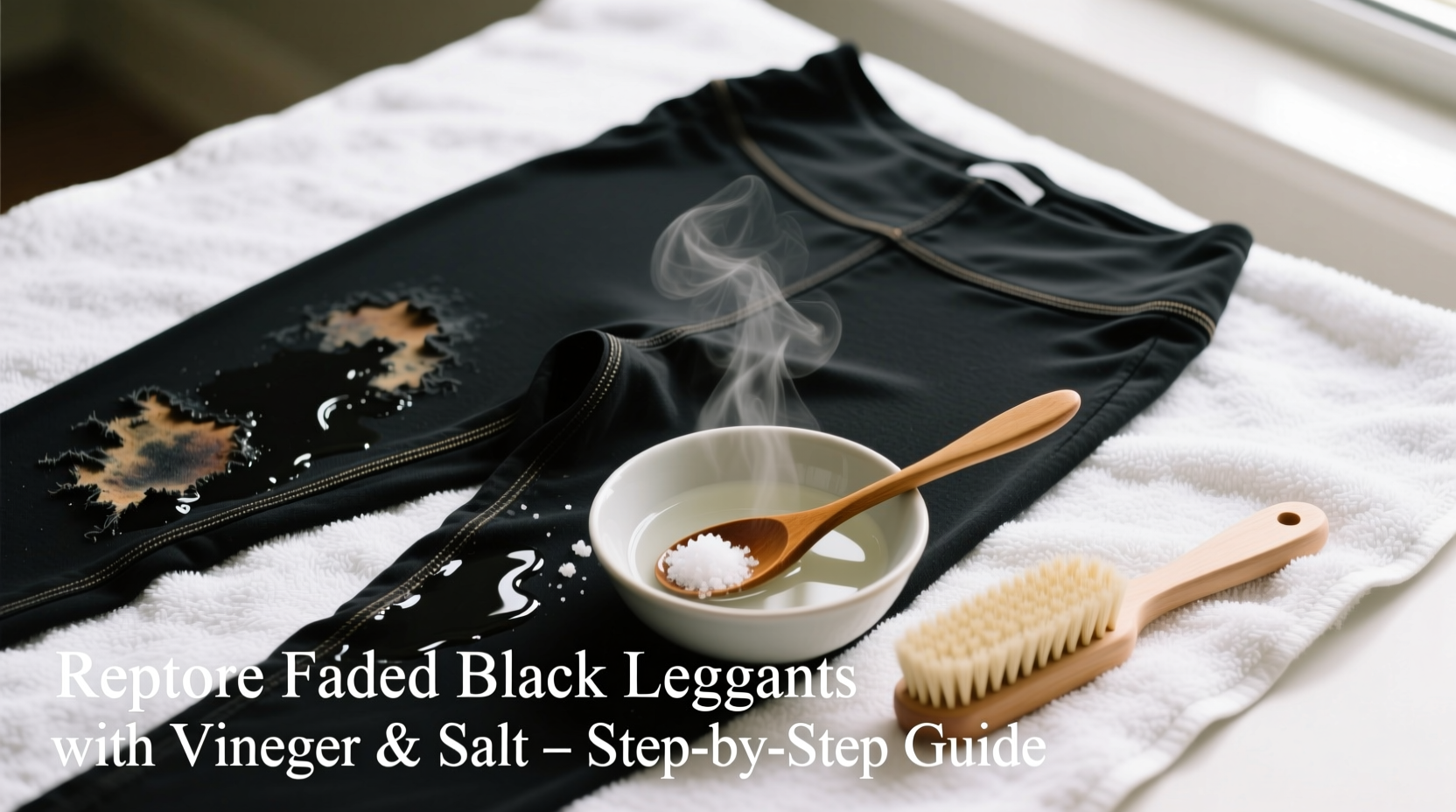
Option 1: Vinegar & Salt Refresh (For Mild Fading)
This method stabilizes remaining dye and enhances darkness without adding new color. Best for leggings that have slightly dulled but haven’t developed noticeable gray patches.
- Fill a clean sink or basin with cold water (enough to fully submerge the leggings).
- Add 1 cup of white vinegar and 2 tablespoons of non-iodized salt.
- Submerge the leggings and gently agitate for 30 seconds.
- Let soak for 45 minutes, turning occasionally to ensure even exposure.
- Rinse thoroughly under cold water until the runoff is clear.
- Wash once in cold water with a mild detergent, then air dry away from direct sunlight.
Option 2: Cold Brew Coffee Dip (For Moderate Fading)
Coffee contains tannins that act as a natural dye, especially effective on cotton-blend leggings. It won’t turn your leggings brown if done correctly—it deepens black tones subtly.
- Brew two strong cups of dark roast coffee using double the usual amount of grounds.
- Let cool completely to room temperature.
- Mix the coffee with 2 cups of cold water in a large container.
- Immerse the leggings and stir gently every 10 minutes.
- Soak for 1–2 hours depending on desired depth (longer = darker).
- Rinse in cold water until minimal color runs.
- Wash lightly with pH-neutral soap, then lay flat to dry.
Note: This method may leave a faint scent initially, but it dissipates after drying and wearing.
Option 3: Liquid Fabric Dye Bath (For Severe Fading)
When fading is extensive, a full re-dyeing process yields the best results. Use a washable, fiber-reactive liquid dye designed for synthetics or blends. Most brands (like Rit or Dylon) are available online or in craft stores and can be applied at home with basic tools.
- Check the care label to confirm fiber content (polyester, nylon, spandex, etc.).
- Choose a black dye compatible with those fibers.
- In a large non-food pot, mix 2 quarts of hot water (not boiling) with the recommended amount of dye.
- Stir in 1 tablespoon of dish soap to help penetration.
- Immerse pre-wetted leggings and simmer gently on the stove for 30–45 minutes, stirring occasionally.
- Turn off heat and let cool in the dye bath for another hour.
- Rinse under cold water until water runs clear.
- Wash separately once with a small amount of detergent, then air dry.
Do’s and Don’ts When Restoring Dark Leggings
| Do | Avoid |
|---|---|
| Use cold or lukewarm water only | Hot water, which strips dye faster |
| Test methods on a small seam first | Applying treatments blindly to entire garment |
| Wash restored leggings inside out | Washing inside out increases abrasion on outer surface |
| Store leggings folded or rolled, not hung | Hanging stretches elastic and distorts shape |
| Air dry away from sunlight | Tumble drying or drying in direct sun |
Real Example: Reviving Gym-to-Street Leggings
Sophie, a yoga instructor from Portland, noticed her favorite black compression leggings had faded around the thighs and waistband after six months of daily use. She washed them after every class, often using scented detergents and occasional bleach wipes for “sanitizing.” The fabric remained intact, but the color looked patchy and dull.
She tried the vinegar-salt soak first, hoping for a quick fix. After one treatment, the leggings appeared slightly richer, but the faded zones were still visible. Next, she attempted the coffee method. After a 90-minute soak in cooled espresso-strength brew, she rinsed and dried them overnight. The result? A noticeable improvement in uniformity—the grayish spots blended seamlessly, and the overall black looked deeper, almost showroom-fresh.
Sophie now rotates three pairs weekly and treats them with a vinegar rinse every fourth wash. “I saved $80 and kept my favorite fit,” she said. “Plus, I feel better knowing I didn’t add another item to landfill.”
Alternative Household Items That Work (And Some That Don’t)
Not all pantry staples are equally effective. Below is a breakdown of common items people try, along with their actual performance.
- Baking Soda: Great for odor removal, but does not restore color. Can actually lighten fabric if overused.
- Tea (Black): Similar to coffee but weaker; requires longer soaking and multiple rounds for visible effect.
- Beet Juice: Adds red tint—unsuitable for black garments.
- Blue Shampoo (for Gray Tones): Sometimes suggested to counteract brassiness in hair, but ineffective on fabric and may leave residue.
- Red Wine: Mythical internet remedy. Stains unpredictably and rarely contributes to true black restoration.
The most reliable household allies are acidic liquids (vinegar), tannin-rich beverages (coffee, black tea), and commercially formulated dyes adapted for home use.
Prevention: How to Keep Black Leggings Dark Longer
Restoration works, but prevention reduces the need altogether. Implement these habits to slow fading from the start.
Washing Best Practices
- Turn leggings inside out before washing to protect the outer surface.
- Use a gentle, sulfate-free detergent labeled for darks.
- Wash in cold water on a delicate cycle.
- Avoid overloading the machine—crowding causes more friction.
- Never wash with rough fabrics like denim or towels.
Drying and Storage Tips
- Air dry flat or hanging in shade—heat and UV rays accelerate fading.
- Roll instead of fold to minimize crease-related stress.
- Store in a drawer or soft bin, not stretched over hangers.
- Keep away from humid areas like bathrooms to prevent mildew and discoloration.
FAQ: Common Questions About Restoring Black Leggings
Can I use this on leggings with spandex?
Yes. All methods described are safe for spandex blends as long as water temperatures stay below 100°F (38°C). High heat damages spandex elasticity. The vinegar and coffee techniques are particularly gentle.
Will the color come out in the dryer?
If the restoration process is followed correctly and the garment is rinsed until water runs clear, minimal bleeding should occur. However, always air dry the first time after treatment. Heat from dryers can set any loose dye into other clothes if transferred.
How long will the restored color last?
With proper care, results can last 10–20 washes. The vinegar method offers temporary enhancement, while coffee staining lasts several weeks. A proper dye bath can match the original finish and endure the garment’s remaining lifespan if maintained well.
Final Checklist: Your Restoration Action Plan
- Assess the level of fading: slight, moderate, or severe.
- Gather supplies: vinegar, salt, coffee, dye, gloves, non-food pot.
- Test chosen method on an inconspicuous area (e.g., inner seam).
- Pre-wet leggings with cold water.
- Apply selected treatment (soak or simmer).
- Rinse thoroughly until water is clear.
- Air dry in a shaded, ventilated space.
- Wash once before wearing to remove excess residue.
- Adopt preventive care habits to prolong results.
Conclusion: Give Old Leggings New Life
Faded black leggings don’t have to be retired. With thoughtful attention and everyday household resources, you can restore their sleek appearance and continue enjoying a perfect fit. These methods reduce textile waste, save money, and support a more mindful approach to fashion. Whether you opt for a quick vinegar refresh or invest time in a full dye bath, the effort pays off in both aesthetics and sustainability. Take action today—revive your faded favorites and keep them performing like new.
💬 Have a restoration success story? Share your experience in the comments and inspire others to breathe new life into their wardrobe!