
A single-breasted winter coat offers clean lines and timeless style, but its streamlined cut can leave wearers vulnerable to cold when temperatures drop. Unlike double-breasted designs, which provide extra fabric and overlap at the chest, single-breasted coats rely heavily on strategic layering and smart accessory choices to maintain warmth. With the right approach, you can transform your sleek outerwear into a fortress against freezing winds without sacrificing comfort or aesthetics.
The key lies not in bulk, but in intelligent layering—using materials that trap heat efficiently while allowing breathability and mobility. Combined with targeted accessories, this method ensures core warmth and extremity protection, even in sub-zero conditions. Whether commuting through city streets or walking across snowy landscapes, mastering this technique keeps you insulated, agile, and well-dressed.
Understanding the Limitations of a Single-Breasted Coat
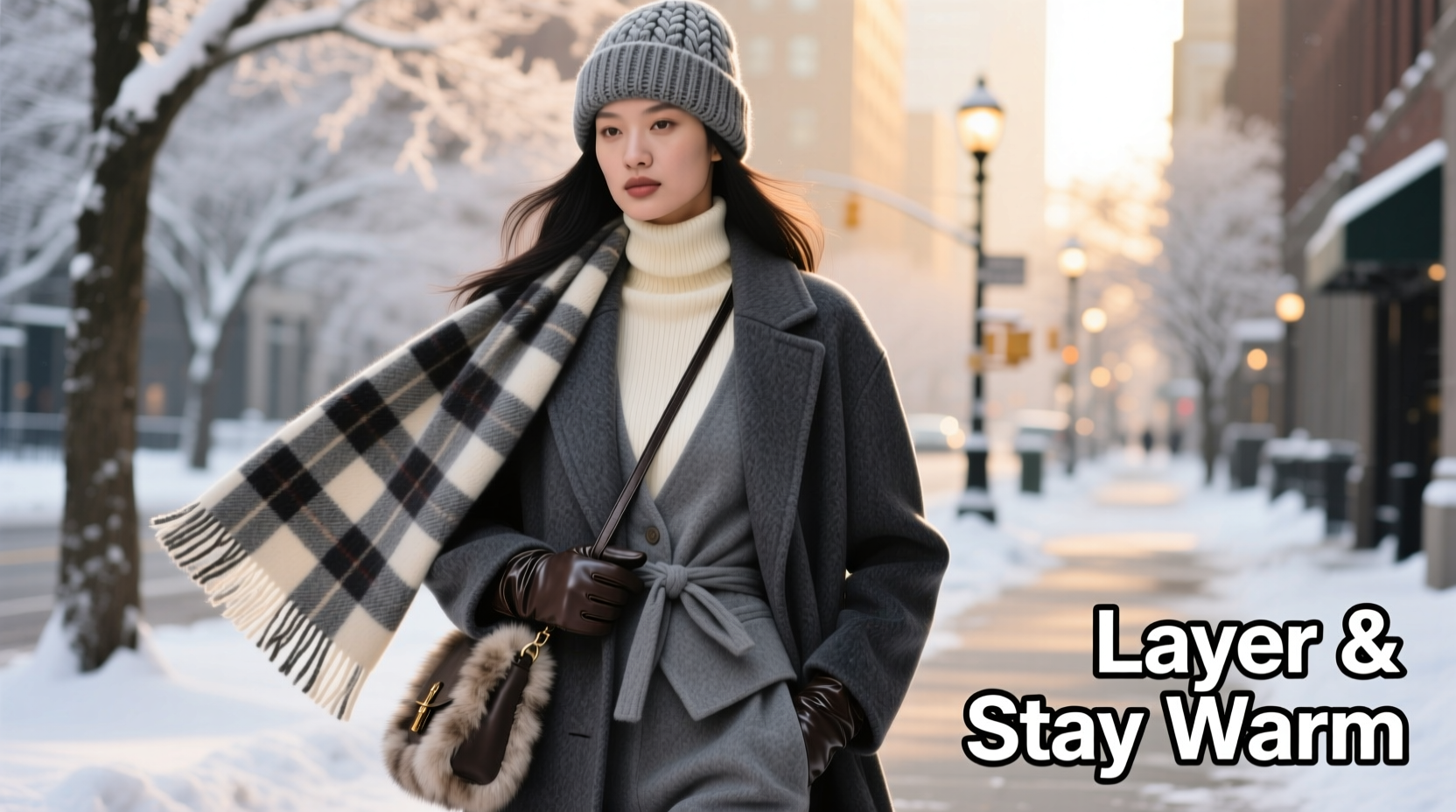
Single-breasted coats typically feature one row of buttons and a narrower front closure than their double-breasted counterparts. This design creates a more tailored silhouette but reduces overlapping fabric across the torso—a critical factor in wind resistance. The gap down the center can allow cold air infiltration, especially in blustery conditions.
Additionally, many modern single-breasted coats prioritize fashion over function, using lighter linings or thinner wool blends suitable for mild winters but inadequate for prolonged exposure to extreme cold. Relying solely on the coat is rarely enough. Instead, effective internal layering becomes essential to compensate for structural gaps and material limitations.
“Layering isn’t about piling on clothes—it’s about creating microclimates of warmth next to your skin and between garments.” — Dr. Lena Park, Textile Scientist & Cold Weather Performance Researcher
The Science of Layering: Three Zones of Thermal Protection
Effective warmth starts with a structured layering system divided into three distinct zones: base, mid, and outer. Each plays a specific role in managing moisture, insulating the body, and shielding from external elements. When applied correctly under a single-breasted coat, this system maximizes heat retention while minimizing discomfort.
1. Base Layer – Moisture Management
The foundation of any thermal strategy is the base layer, worn directly against the skin. Its primary job is wicking sweat away from the body to prevent chilling due to dampness. Cotton, though soft, retains moisture and should be avoided in cold environments.
- Recommended materials: Merino wool, synthetic blends (polyester, polypropylene), silk (for milder conditions)
- Fitting tip: Snug but not restrictive—should feel like a second skin
- Function: Regulates temperature by moving vapor away from the body
2. Mid Layer – Insulation
This layer traps body heat and forms the core of your warmth. It must balance thermal efficiency with compressibility to fit comfortably beneath a fitted coat. Bulkier options may look good indoors but hinder movement and create strain on coat buttons when zipped or buttoned.
| Material | Warmth Level | Compressibility | Best For |
|---|---|---|---|
| Fleece | High | Medium | Dry, windy days |
| Down Vest | Very High | High | Cold, still air |
| Wool Sweater | Medium-High | Low-Medium | Urban wear, moderate cold |
| Synthetic Puffer | High | High | Wet or humid climates |
A fine-gauge merino turtleneck or lightweight down vest often works best under a single-breasted coat, offering substantial warmth without distorting the coat’s drape.
3. Outer Layer – Wind and Water Resistance
Your single-breasted coat serves as the final barrier. Ensure it has a tight weave, storm cuffs, and a collar that can be turned up. If the coat lacks water resistance, consider adding a thin waterproof shell underneath or carrying a compact rain liner for wet days.
Accessorizing for Maximum Warmth Retention
Up to 30% of body heat can escape through the head, hands, and feet. In cold weather, accessories are not optional—they’re essential components of your thermal defense.
Head: Hats That Seal the Deal
Wool beanies, trapper hats, or hoods with fleece lining significantly reduce heat loss. For urban settings, foldable cashmere-blend caps offer warmth with polish. Ensure your hat covers the ears fully; earlobes are highly sensitive to frostbite.
Neck: The Critical Gap Zone
The neck is a major point of heat escape and cold air entry—especially with a single-breasted coat’s vertical seam. A high-neck base layer combined with a scarf or neck gaiter closes this vulnerability.
- Turtlenecks: Fine-knit merino provides warmth without bulk
- Neck Gaiters: Seamless tube fabric that can be pulled up over the chin
- Scarves: Wool or cashmere, wrapped snugly around the throat and tucked under the coat collar
Hands and Feet: Protect the Extremities
Insulated gloves with touchscreen capability allow functionality without exposure. For very cold climates, consider liner gloves under larger mittens. Footwear should include wool socks (avoid cotton) and insulated boots with non-slip soles. Adding thermal insoles enhances ground-level protection.
Step-by-Step Guide: Building Your Winter Outfit Under a Single-Breasted Coat
- Start with a moisture-wicking base layer: Put on a long-sleeve merino top and matching bottoms.
- Add a tailored mid-layer: Choose a slim-fit sweater or vest—ensure arms move freely and chest doesn’t strain buttons.
- Secure the neck zone: Tuck the base layer high; add a turtleneck or neck gaiter.
- Put on the coat: Button or zip fully. Check for gaps at the chest and sides—adjust layers if needed.
- Top off with accessories: Wear a hat, wrap a scarf, pull on gloves, and ensure socks are dry and thick enough.
- Test mobility: Raise arms, sit down, walk briskly—layers should stay in place without riding up or restricting motion.
Real-World Example: Commuting in Chicago Winters
Take Mark, a financial analyst in downtown Chicago. His daily commute involves a 15-minute walk from the train station to his office, often in -10°C (14°F) wind chills. He wears a charcoal gray single-breasted wool overcoat he values for its elegance—but found himself shivering each morning.
After adjusting his layers, he now wears a merino base layer, a lightweight down vest, and a thin turtleneck. He pairs these with leather gloves, a beanie under his coat’s collar, and a tightly wrapped cashmere scarf. The result? He stays warm throughout his walk, arrives at work without overheating or removing layers awkwardly, and maintains a professional appearance.
His coat still looks sharp—no bulging seams or misaligned buttons—but now performs like a technical winter shell thanks to what’s underneath.
Common Layering Mistakes to Avoid
- Over-layering: Too many thick garments cause the coat to gape, letting in cold air and damaging button tension.
- Using cotton next to skin: Socks, underwear, or t-shirts made of cotton retain moisture and accelerate heat loss.
- Neglecting the neck: Leaving the throat exposed undermines all other insulation efforts.
- Ignoring footwear: Thin soles or damp shoes quickly lead to full-body chill.
- Wearing bulky sweaters: Oversized knits distort the coat’s fit and limit arm movement.
Frequently Asked Questions
Can I wear a puffer jacket under my single-breasted coat?
Only if it’s a slim, packable model designed for layering. Traditional puffers are too wide and will force the coat open, eliminating wind protection. A better option is a lightweight down vest or quilted liner shirt that adds warmth without volume.
How do I avoid overheating indoors?
Choose breathable natural fibers like merino wool and avoid synthetic-heavy layers that trap sweat. Keep a compact foldable bag for storing scarves, gloves, or removable mid-layers once inside heated spaces.
Is a hood necessary if I have a good hat?
Not always, but a hood integrated into your coat adds wind protection during storms. Even with a hat, a raised collar or hood blocks gusts from entering the back of your neck. Use both for maximum coverage in harsh weather.
Final Checklist: Stay Warm, Stay Sharp
- Base Layer
- Merino wool or synthetic long-sleeve top and bottom
- Mid Layer
- Slender sweater, vest, or fleece—fitted but not tight
- Neck Protection
- Turtleneck + scarf or gaiter
- Head Covering
- Wool beanie or foldable cap
- Hand & Foot Gear
- Insulated gloves, wool socks, waterproof boots
- Coat Fit Check
- All buttons close easily; no pulling at seams; arms move freely
Conclusion: Elevate Function Without Compromising Form
Staying warm in a single-breasted winter coat doesn’t require sacrificing style for survival. By understanding the principles of thermal layering and investing in thoughtful accessories, you turn a minimalist garment into a high-performance system. The elegance of a single-breasted coat lies in its simplicity—but its effectiveness comes from what you build beneath it.
💬 What’s your go-to winter layering combo? Share your favorite tips and gear in the comments to help others master the cold with confidence.








