
Dressing up a dog might seem like a fashion statement, but for many pet owners, it's about more than just aesthetics. In colder climates or for breeds with thin coats, clothing can be essential for warmth and comfort. However, not all garments serve the same purpose. Dog clothes encompass a wide range of apparel—from raincoats to pajamas—while dog sweaters are specifically designed for insulation. Choosing between them requires understanding your pet’s physical needs, lifestyle, and even temperament. The right choice balances practicality with personal expression, ensuring your dog stays comfortable while looking great.
Understanding the Functional Differences
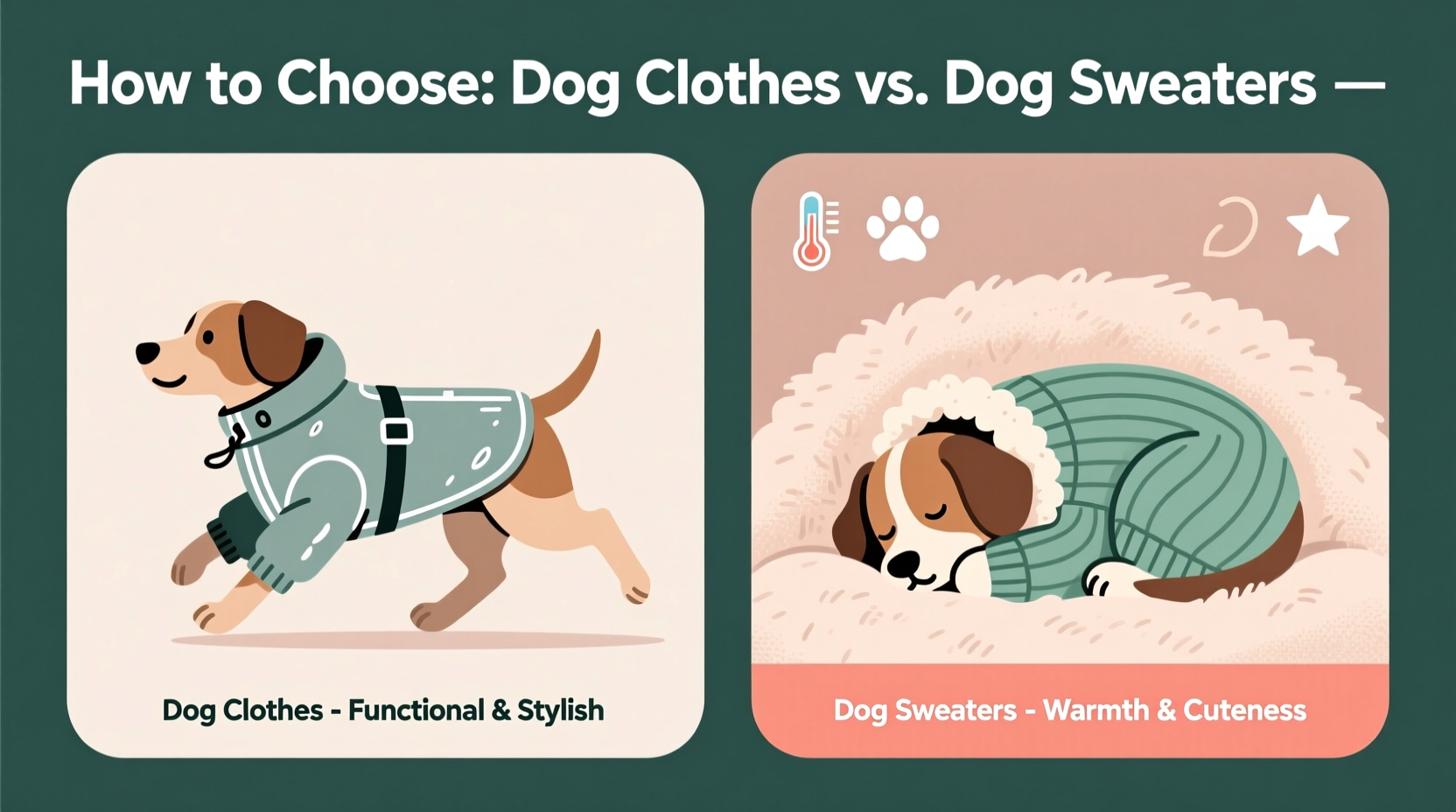
The first step in making an informed decision is recognizing what sets dog clothes apart from dog sweaters. While both provide coverage, their primary functions differ significantly.
Dog sweaters are typically made from wool, acrylic, or fleece blends and focus on thermal regulation. They're ideal during winter months or for dogs that struggle to maintain body heat. Sweaters often cover the torso and back, where vital organs reside, offering core warmth without restricting movement.
Dog clothes, on the other hand, include jackets, raincoats, hoodies, costumes, and even sun-protective wear. These are designed for specific environmental conditions or occasions. A waterproof jacket keeps your dog dry during rainy walks, while UV-protective shirts shield sensitive skin from sun damage. Some outfits prioritize visibility—like reflective vests used at night—while others lean toward seasonal flair, such as holiday-themed onesies.
Tip: If your dog only needs warmth indoors or on short winter walks, a lightweight sweater is usually sufficient. Reserve full-coverage clothing for extreme weather or outdoor activities.Breed, Size, and Coat Type Considerations
Not every dog needs extra layers. Breeds like Siberian Huskies or Alaskan Malamutes have evolved thick double coats that naturally insulate against cold. For these dogs, adding clothing may lead to overheating, especially if they’re active. Conversely, small breeds such as Chihuahuas, Italian Greyhounds, or toy poodles lose body heat quickly due to high surface-area-to-volume ratios. Their fine fur offers little protection in chilly environments.
Senior dogs and those with medical conditions—such as hypothyroidism or arthritis—also benefit from added warmth. As metabolism slows with age, older dogs often feel the cold more acutely. In such cases, a soft, breathable sweater can support joint comfort and circulation.
“Thermal support isn’t vanity—it’s part of responsible pet care for vulnerable breeds.” — Dr. Lena Torres, DVM, Small Animal Specialist
When selecting any garment, ensure it aligns with your dog’s anatomy. Bulky sweaters can restrict shoulder movement, especially in athletic breeds like Border Collies. Look for ergonomic cuts with underbelly straps instead of neck-heavy designs that may cause chafing.
Climate and Activity Level: Matching Apparel to Environment
Your local climate plays a crucial role in determining whether a sweater or broader category of dog clothing is appropriate. In regions with mild winters, a light sweater might suffice for early morning or evening walks. But in areas with snow, wind, or freezing temperatures, a water-resistant jacket with a fleece lining provides superior protection.
| Condition | Recommended Gear | Rationale |
|---|---|---|
| Cold & Dry | Wool or Fleece Sweater | Retains heat without moisture buildup |
| Cold & Wet | Waterproof Jacket + Thermal Liner | Prevents dampness while retaining warmth |
| Indoor Use Only | Soft Knit Sweater or Pajama Set | Comfort-focused; no need for durability |
| Sunny/Hot Climate | UV-Protective Shirt or Cooling Vest | Shields skin from sunburn and overheating |
Activity level matters too. An energetic Jack Russell Terrier going on long hikes needs durable, flexible clothing that won’t shift or bunch. A sedentary senior Pug lounging by the fireplace only requires gentle insulation. Always assess how long your dog will be outside and under what conditions before choosing attire.
Step-by-Step Guide to Choosing the Right Fit
Selecting the correct size and fit prevents discomfort and ensures effectiveness. Follow this timeline when shopping:
- Measure your dog: Use a soft tape measure around the neck, chest (widest point), and length from base of neck to tail.
- Check brand-specific sizing charts: Sizes vary widely across manufacturers; never assume small equals small.
- Prioritize stretch and seams: Fabrics should allow motion. Seams should lie flat and avoid rubbing underarms or belly.
- Test mobility: Once dressed, observe your dog walking, sitting, and bending. There should be no pulling or restriction.
- Mind the washability: Choose machine-washable materials, especially for outdoor use. Odors and dirt accumulate quickly.
Mini Case Study: Bella the Shih Tzu in Chicago Winters
Bella, a 7-year-old Shih Tzu living in downtown Chicago, began shivering during her winter walks despite her long coat. Her owner initially tried a cotton hoodie, which provided minimal warmth and became damp after light snow. After consulting a vet, she switched to a turtleneck-style merino wool sweater paired with a lightweight windbreaker for sub-zero days. The layered approach kept Bella warm without overheating, and she now enjoys her daily walks year-round. This case highlights how combining function and fit—not just fashion—can enhance a dog’s quality of life in harsh climates.
Style vs. Comfort: Striking the Right Balance
There’s no denying that cute dog clothes are fun. Holiday sweaters, superhero capes, and floral dresses make for adorable photos. But style should never override comfort. Signs your dog dislikes their outfit include excessive scratching, tucking the tail, refusing to walk, or attempting to remove the garment.
Instead of opting for elaborate costumes, consider subtle touches: a red cable-knit sweater for Christmas, a pastel hoodie for spring outings, or a denim jacket for urban adventures. These maintain aesthetic appeal while prioritizing wearability.
- Avoid accessories with loose buttons or strings that could be chewed or swallowed.
- Choose neutral tones for everyday wear—they’re easier to match and less likely to show dirt.
- Opt for tagless labels or soft inner linings to prevent irritation.
Frequently Asked Questions
Can I leave my dog in a sweater all day?
Only if it's lightweight, non-restrictive, and your dog shows no signs of discomfort. Never leave a dog unattended in clothing that could snag or overheat them. Remove garments after coming indoors to prevent sweating and skin irritation.
Are dog sweaters necessary for indoor use?
They can be beneficial for older dogs, hairless breeds, or homes with poor heating. If your dog seeks out blankets or avoids tile floors, a soft sweater may help regulate their temperature.
How do I know if the sweater is too tight?
You should be able to fit two fingers comfortably under any strap or neckline. If the fabric pulls at the shoulders or restricts leg movement, it’s too snug.
Final Checklist Before Buying
- ✅ Measure your dog accurately
- Use current dimensions, not estimates.
- ✅ Identify the primary need
- Warmth? Weather protection? Medical support?
- ✅ Check material breathability
- Avoid 100% polyester unless lined with cotton.
- ✅ Ensure ease of cleaning
- Machine washable is best for hygiene.
- ✅ Observe behavior post-dressing
- If stressed, reconsider design or necessity.
Conclusion: Dress Smart, Love Well
Deciding between dog clothes and dog sweaters isn't about following trends—it's about tuning into your pet’s unique needs. Whether you opt for a cozy turtleneck or a rugged all-weather jacket, the goal remains the same: to keep your companion safe, warm, and happy. By considering breed, climate, activity level, and fit, you can make choices that honor both comfort and style. Your dog may not thank you in words, but their relaxed posture, wagging tail, and willingness to strut in their gear will say it all.
💬 Have a favorite dog sweater brand or styling tip? Share your experience below and help fellow pet parents dress their pups with confidence!








