White canvas sneakers are a timeless staple—versatile, breathable, and effortlessly stylish. But their light color makes them prone to dirt, grime, and the dreaded yellowing that often occurs after cleaning. Many people reach for bleach or harsh detergents only to find their once-pristine shoes turned an uneven, off-yellow hue. The good news: you can restore your sneakers to bright, fresh condition using natural ingredients and smart techniques that protect the fabric and avoid discoloration.
Yellow stains on canvas typically result from oxidation, residual detergent buildup, improper drying in direct sunlight, or exposure to sweat and oils over time. Cleaning them properly means not just removing surface dirt but also neutralizing compounds that cause discoloration—all without introducing chemicals that accelerate yellowing. This guide walks through proven, eco-friendly methods that deliver results while preserving the integrity of your footwear.
The Science Behind Yellowing: Why It Happens
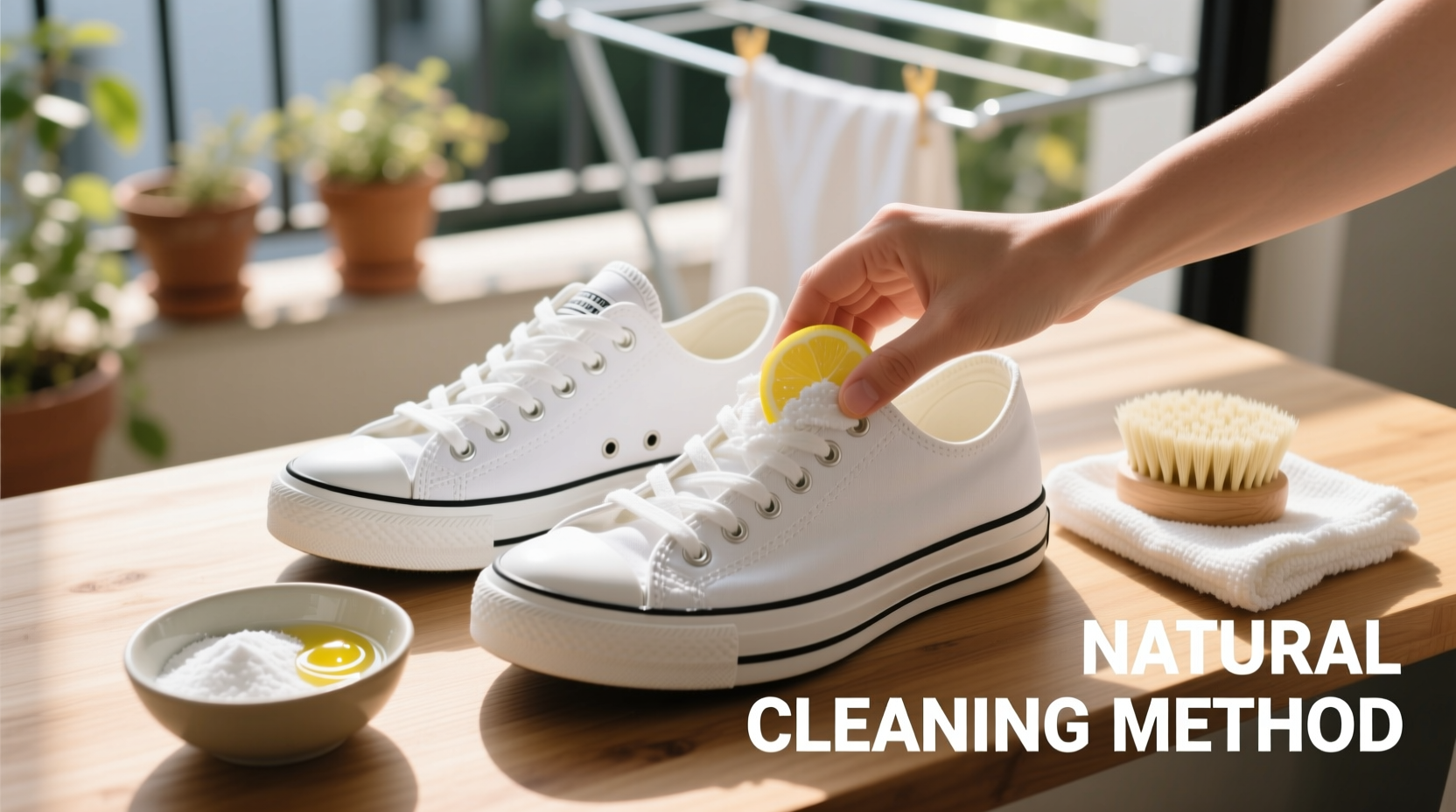
Understanding why white canvas yellows is key to preventing it. Canvas is a cotton-based fabric, highly absorbent and reactive to environmental factors. When exposed to:
- Sunlight (UV radiation): Accelerates oxidation, especially when combined with moisture or cleaning residues.
- Residual soaps or detergents: Left behind in fibers, they react with UV light and turn yellow.
- Sweat and body oils: Seep into the collar and tongue, creating organic stains that degrade over time.
- Chlorine or bleach: Even small amounts break down cotton fibers and catalyze yellowing.
These elements combine to create a stubborn discoloration that’s often mistaken for “dirt” but is actually chemical degradation. That’s why scrubbing harder doesn’t help—and may make things worse.
“Many people unknowingly cause yellowing by using bleach or drying sneakers in direct sun. Natural cleaning isn’t just safer—it’s more effective long-term.” — Dr. Lena Torres, Textile Chemist & Sustainable Fashion Researcher
Safe, Natural Ingredients That Work
The best natural cleaners for white canvas leverage mild abrasives, pH balance, and enzymatic action without damaging fibers. These ingredients are accessible, inexpensive, and free from synthetic additives:
- Baking soda (sodium bicarbonate): A gentle abrasive that lifts stains and neutralizes odors without scratching fabric.
- White vinegar (acetic acid): Breaks down organic residues, dissolves mineral deposits, and helps remove soap buildup.
- Hydrogen peroxide (3% solution): A non-chlorine oxidizer that brightens whites safely when used correctly.
- Liquid castile soap: Plant-based, biodegradable cleanser that cuts grease without leaving film.
- Lemon juice: Contains citric acid, which acts as a natural bleaching agent—but use cautiously due to photosensitivity.
Step-by-Step Guide: Deep Clean Without Yellowing
This method ensures deep cleaning while minimizing risk of discoloration. Follow each step carefully for optimal results.
- Remove laces and insoles: Wash laces separately (soak in warm water with baking soda). Insoles can be spot-cleaned with a cloth dampened in vinegar-water mix.
- Dry brush first: Use a soft-bristle toothbrush or nail brush to remove loose dirt from the surface, seams, and sole edges.
- Prepare cleaning paste: Mix 2 tablespoons baking soda, 1 tablespoon hydrogen peroxide, and 1 tablespoon water into a smooth paste. Add one drop of castile soap for extra degreasing power.
- Apply paste gently: Using the brush, work the paste into stained areas in circular motions. Focus on toe box, sides, and heel counter. Avoid soaking the shoe.
- Let sit for 20 minutes: Do not exceed 30 minutes. Prolonged exposure can weaken fibers.
- Rinse thoroughly: Dampen a clean cloth with cold water and wipe away all residue. Repeat until no paste remains.
- Tackle soap buildup (optional rinse): Wipe down with a 1:3 vinegar-water solution to dissolve any hidden detergent traces. Rinse again with water.
- Blot and dry: Stuff shoes with paper towels to maintain shape. Place in a well-ventilated area away from direct sunlight or heat sources. Allow 24–48 hours to air-dry completely.
“Air-drying is non-negotiable. Heat from dryers or radiators accelerates oxidation and sets yellow tones permanently.” — Marcus Reed, Footwear Restoration Specialist
Do’s and Don’ts: Avoiding Common Mistakes
| Do’s | Don’ts |
|---|---|
| Use cold or lukewarm water—never hot | Use chlorine bleach or whitening laundry pods |
| Spot-test solutions on a hidden area first | Soak canvas shoes for extended periods |
| Dry indoors, away from windows and heaters | Place wet shoes in direct sunlight to speed drying |
| Rotate sneaker wear to reduce sweat accumulation | Wear the same pair daily without rest |
| Store in breathable cotton bags or open shelves | Keep in plastic bins where moisture traps |
Real Example: Reviving a Vintage Pair
Jamal, a vintage sneaker collector in Portland, inherited a pair of 1970s canvas high-tops from his grandfather. Though structurally sound, they were heavily soiled and had developed a uniform yellow tint across the upper. He tried machine washing them once—heavy mistake. Afterward, the yellow intensified, especially along the stitching.
He switched to a natural approach: dry brushing, followed by the baking soda–hydrogen peroxide paste applied in two rounds over three days. Between treatments, he wiped with diluted vinegar to clear residual alkalinity. He dried them inside a closet with a fan nearby, never touching direct light. After four days, the sneakers weren’t “blinding white,” but they regained a clean, aged-cotton look without patchiness or further yellowing. More importantly, the canvas remained intact, with no fraying or stiffness.
“I realized cleaning isn’t about making them look brand-new,” Jamal said. “It’s about honoring their history while keeping them wearable.”
Alternative Methods Compared
Not every natural method works equally well. Here’s how common home remedies stack up based on effectiveness, safety, and risk of yellowing:
| Method | Effectiveness | Yellowing Risk | Best For |
|---|---|---|---|
| Baking soda + hydrogen peroxide paste | High | Low (if rinsed well) | General stains, odor, dullness |
| Vinegar soak (1:4 with water) | Moderate | Low | Odor removal, detergent residue |
| Lemon juice + sun exposure | Medium (short-term) | Very High | Not recommended—accelerates fiber aging |
| Cold water + castile soap scrub | Moderate | Very Low | Light maintenance cleaning |
| Activated charcoal + water paste | Low-Moderate | Low | Odor absorption between wears |
Prevention: Keeping Whites White Long-Term
The most effective cleaning strategy is consistent maintenance. Waiting until sneakers are visibly dirty increases the effort required and raises the chance of permanent staining. Integrate these habits into your routine:
- Wipe after wear: Use a dry microfiber cloth to remove surface dust and moisture.
- Deodorize weekly: Sprinkle baking soda inside the shoe, let sit overnight, then shake out.
- Rotate pairs: Give each pair 24–48 hours to air out between uses.
- Protect before wear: Apply a natural fabric protector spray (look for silicone-free, water-based options).
- Avoid rainy conditions: Canvas absorbs water quickly, increasing staining and mold risk.
“Prevention is 80% of care. A little attention every week saves hours of restoration later.” — Nina Patel, Sustainable Wardrobe Consultant
Frequently Asked Questions
Can I use this method on colored canvas shoes?
Yes, but with caution. Test the cleaning paste on an inconspicuous area first. Baking soda and hydrogen peroxide are generally safe for most dyes, but some pigments (especially reds and bright blues) may fade. Avoid lemon juice and direct sun regardless.
Why do my sneakers still smell after cleaning?
Odors often linger in the insole or lining. Try freezing the shoes overnight in a sealed bag—cold kills odor-causing bacteria. Alternatively, place crumpled newspaper or activated charcoal inside for 12 hours to absorb moisture and smells.
How often should I deep clean white canvas sneakers?
Every 4–6 weeks with regular wear. If used daily in urban environments or during workouts, consider cleaning every 2–3 weeks. Light surface wiping can be done weekly.
Final Checklist: Natural Cleaning at a Glance
✅ Your Natural Cleaning Checklist:- Remove laces and insoles
- Dry brush to remove loose debris
- Mix baking soda, hydrogen peroxide, and castile soap into paste
- Scrub gently with soft brush
- Wait 20 minutes (max)
- Rinse thoroughly with cold water
- Wipe with 1:3 vinegar-water solution (optional)
- Rinse again and blot excess moisture
- Stuff with paper towels and dry indoors, away from sunlight
- Re-lace and store in breathable container
Conclusion: Care With Confidence
Cleaning white canvas sneakers doesn’t require toxic chemicals or expensive products. With simple household ingredients and mindful technique, you can achieve clean, bright results without the frustration of yellow stains. The key lies in understanding fabric behavior, avoiding common pitfalls like sun-drying and bleach use, and committing to gentle, consistent care.
Your sneakers reflect your lifestyle—whether worn for school, art, or weekend adventures. Treating them with natural methods isn’t just better for the material; it’s better for your health and the planet. Start today with one pair, follow the steps precisely, and witness the transformation. Over time, these practices become second nature, extending the life of every canvas shoe you own.
💬 Have a favorite natural cleaning hack? Share your experience in the comments below and help others keep their kicks fresh—naturally.








