Summer brings an abundance of events—beach weddings, garden parties, rooftop dinners, and outdoor celebrations. Each calls for a dress that balances elegance with ease. Yet too often, women face the dilemma: look polished or stay cool? The truth is, you don’t have to choose. With thoughtful selection, it’s possible to find a summer dress that flatters your figure, suits the event, and keeps you comfortable under the sun. This guide breaks down the essentials of choosing the perfect summer dress, combining fashion expertise with practical advice for real-life wear.
Understand the Occasion First
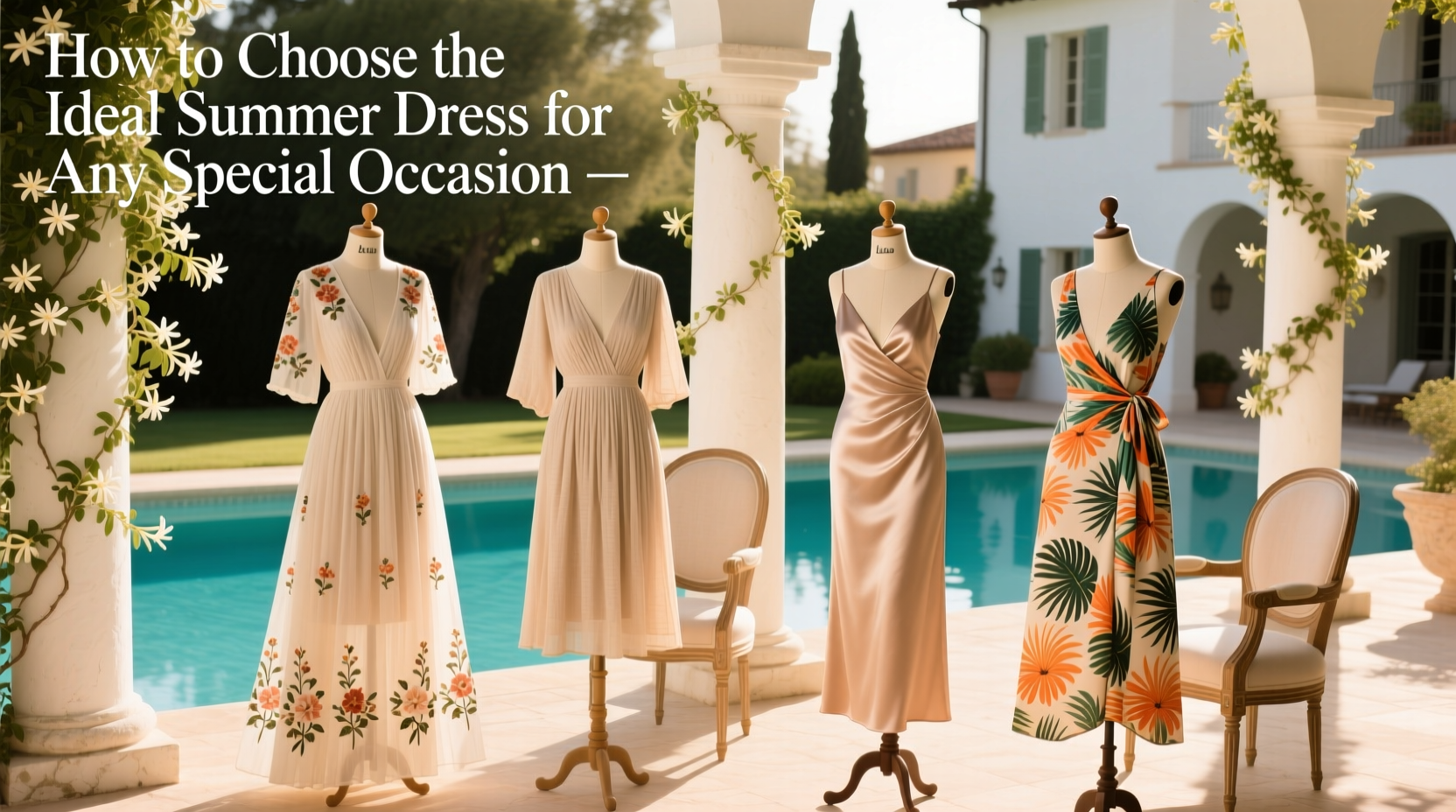
The foundation of any great outfit is context. A sundress for a daytime picnic won’t work at a formal evening reception, just as a sequined gown would overwhelm a casual brunch. Before browsing fabrics or silhouettes, clarify the event’s tone, location, and expected attire.
- Cocktail parties: Opt for knee-length or midi dresses in luxe fabrics like silk or crepe. Subtle embellishments add sophistication.
- Garden weddings: Flowy floral prints, soft pastels, and lightweight chiffon are ideal. Avoid white unless specified.
- Beach ceremonies: Choose breathable linen or cotton with relaxed silhouettes. Think slip dresses or tiered maxis.
- Outdoor receptions: Prioritize sun protection—long sleeves, modest necklines, or lightweight cover-ups may be necessary.
Fabric Matters: Stay Cool and Comfortable
In summer, fabric choice directly impacts comfort. Even the most beautiful dress can become unbearable if it traps heat or clings to sweat. Natural fibers typically outperform synthetics in breathability and moisture management.
| Fabric | Pros | Cons |
|---|---|---|
| Cotton | Breathable, soft, easy to care for | Wrinkles easily, can lose shape when wet |
| Linen | Highly breathable, lightweight, eco-friendly | Prone to wrinkling, may feel stiff at first |
| Silk | Luxurious drape, temperature-regulating | Delicate, requires dry cleaning, expensive |
| Chiffon | Flowy, elegant, great for layering | Sheer (needs lining), fragile |
| TENCEL™/Lyocell | Soft, sustainable, resists wrinkles | Less structured, may not hold volume |
“Natural fabrics like linen and TENCEL™ are game-changers in warm weather. They wick moisture and allow air circulation, which keeps you cooler and more composed.” — Lena Patel, Sustainable Fashion Stylist
Find Your Flattering Fit
A dress can be made from the finest fabric and feature exquisite details, but if it doesn’t complement your body shape, it won’t feel right. Focus on silhouettes that enhance your proportions and provide freedom of movement.
Consider these guidelines based on common body types:
- Hourglass: Wrap dresses, belted sheaths, and fit-and-flare styles emphasize your waist.
- Pear-shaped: A-line or empire-waist dresses balance wider hips with volume up top.
- Apple-shaped: V-necks and empire lines draw attention upward; avoid tight waistbands.
- Rectangle: Add definition with ruching, peplums, or cinched waists to create curves.
- Petite: Shorter hemlines and vertical patterns elongate the frame.
- Tall: Maxi dresses and bold prints make the most of your height.
Step-by-Step Guide: Choosing Your Dress in 5 Steps
- Define the event type and dress code. Is it semi-formal? Outdoor? Barefoot welcome?
- Select a breathable fabric suitable for heat and humidity—linen, cotton, or TENCEL™.
- Choose a silhouette that flatters your body shape and allows airflow.
- Test the color and print against your skin tone—bright florals for warm tones, soft pastels for cool undertones.
- Accessorize thoughtfully: Lightweight sandals, a wide-brim hat, and minimal jewelry complete the look without adding bulk.
Color, Print, and Sun Sensitivity
While vibrant colors and bold prints dominate summer fashion, personal comfort should influence your palette. Dark colors absorb heat, making black or navy dresses less ideal in direct sunlight. Light neutrals—ivory, sand, sky blue—reflect light and help keep you cooler.
Floral patterns remain a summer staple, but consider scale. Large prints make a statement; small prints offer subtlety. Geometric or tropical prints work well for beachside events, while tonal solids project refined elegance.
If you're spending extended time outdoors, also think about UV protection. Some fabrics, like tightly woven linen or UPF-rated materials, offer natural sun defense. Long sleeves—even sheer ones—can protect arms without overheating.
“I once wore a dark red satin dress to a noon wedding in July. By the ceremony, I was drenched in sweat and regret. Now I always check both the forecast and fabric before saying yes to a dress.” — Maria T., Event Planner, Los Angeles
Dos and Don’ts Checklist
✅ Do:- Choose natural, breathable fabrics
- Try the dress in natural light to assess color accuracy
- Wear seamless undergarments to avoid visible lines
- Pack a foldable fan or cooling mist spray for outdoor events
- Break in new shoes before the event
- Wear heavy linings or synthetic blends in high heat
- Ignore the venue’s terrain—avoid stilettos on grass
- Over-accessorize in humid conditions (metal can stick to skin)
- Forget sunscreen—strapless dresses leave shoulders exposed
- Wait until the morning of to decide what to wear
Frequently Asked Questions
Can I wear a maxi dress to a cocktail party?
Yes, if styled appropriately. Choose a maxi in structured fabric like silk crepe with a defined waist. Pair with heels and minimalist jewelry to maintain formality. Avoid overly casual prints like beach scenes.
How do I prevent my dress from clinging in humidity?
Static cling thrives in dry air, but in humidity, the issue is usually fabric sticking to damp skin. Use anti-static spray, wear a slip, or lightly dust talc-free powder on inner seams. Linen and cotton blends tend to resist clinging better than synthetics.
What shoes work best with summer dresses?
Strappy sandals, espadrilles, and block heels offer both style and stability. For grass or sand, wedges or flat mules are practical. Avoid delicate stilettos—they sink and break. Leather or woven materials breathe better than plastic.
Final Thoughts: Confidence Starts with Comfort
The ideal summer dress isn’t just about trends or aesthetics—it’s about how it makes you feel. When you’re cool, supported, and confident in your appearance, you carry yourself differently. You engage more freely, laugh louder, and enjoy the moment without distraction.
Choosing wisely means balancing occasion, fabric, fit, and function. It means prioritizing comfort without sacrificing style. Whether you're walking down an aisle or dancing under string lights, the right dress becomes an extension of your joy—not a source of stress.
💬 Found your perfect summer dress? Share your go-to style or a lesson learned in the comments. Your insight could inspire someone else to feel effortlessly radiant at their next event.








