Square toe cowboy boots have evolved from a niche Western style into a fashion-forward staple, appreciated for their modern silhouette and roomy comfort. Yet, despite their popularity, many wearers struggle with discomfort, blisters, or poor support—issues often rooted in improper fit rather than the design itself. Choosing a pair that fits perfectly isn’t just about aesthetics; it’s about foot health, all-day wearability, and long-term value. The key lies in understanding your foot shape, knowing what to look for in construction, and taking the time to test and adjust before committing. With the right approach, square toe boots can be among the most comfortable footwear you own.
Understand the Anatomy of Square Toe Cowboy Boots
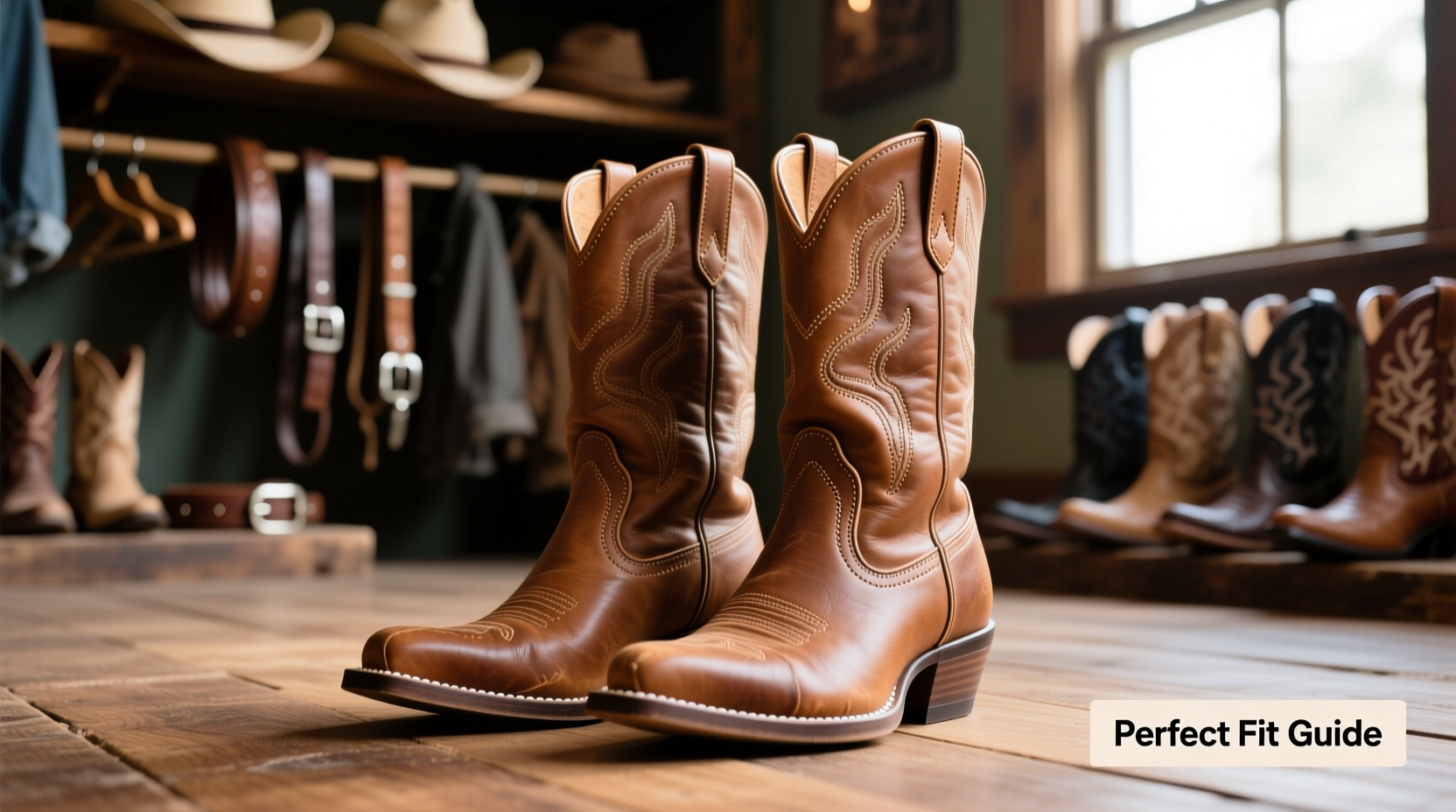
Before selecting a pair, it's essential to recognize how square toe boots differ structurally from traditional pointed or rounded styles. The broader toe box redistributes pressure across the front of the foot, which benefits people with wide forefeet or bunions. However, this added width must be balanced with proper heel fit and arch support. Unlike athletic shoes, cowboy boots are typically sized differently—often running slightly larger—and feature stiffer soles and higher shafts that affect overall comfort.
The upper is usually made from full-grain leather, exotic skins like ostrich or snake, or synthetic alternatives. Full-grain offers durability and molds to the foot over time, while exotics provide unique textures but may require special care. The insole can be cushioned or firm depending on the brand, and some models include removable orthotic-friendly inserts. The outsole is commonly leather or rubber; rubber provides better grip and shock absorption, especially for daily wear on pavement.
Tip: If you plan to wear your boots on concrete or tile floors regularly, opt for a rubber outsole to reduce fatigue and improve traction.Measure Your Feet Accurately—Every Time
Feet change over time due to age, weight fluctuations, and activity levels. Assuming your size hasn’t changed since last year can lead to ill-fitting boots. To get an accurate measurement:
- Stand on a piece of paper barefoot in the afternoon (feet swell during the day).
- Trace the outline of both feet—never just one, as asymmetry is common.
- Measure the length from heel to longest toe and the widest part of the ball of the foot.
- Compare these measurements to the manufacturer’s sizing chart.
Many boot brands use European or proprietary sizing systems, so relying solely on U.S. shoe sizes can mislead. For example, Ariat may run true to size, while Lucchese tends to run narrow and might require going up half a size. Always check whether the brand recommends ordering based on length, width, or both.
Common Fit Mistakes to Avoid
| Mistake | Why It’s Problematic | Better Approach |
|---|---|---|
| Focusing only on length | Ignores width, leading to pinching or slippage | Measure both length and width; consider D/E width designations |
| Tightening laces to compensate | Restricts circulation and distorts natural foot shape | Select correct shaft width instead of forcing fit |
| Buying too tight “to break them in” | Excessive stretching damages leather and structure | Aim for near-perfect initial fit; minimal break-in needed |
Try Before You Buy—or Know What to Ask Online
If purchasing in person, visit a reputable Western wear store with knowledgeable staff. Bring the socks you intend to wear with the boots—typically mid-calf, moisture-wicking styles. Walk around the store, stand on different surfaces, and simulate real-world movements like climbing stairs or squatting. Pay attention to:
- Heel slip: A quarter-inch movement is normal when new, but excessive sliding causes blisters.
- Ball of foot alignment: Your metatarsal joint should sit directly over the ball of the insole.
- Toespace: There should be about a thumb’s width between your longest toe and the end of the boot.
- Shaft fit: Snug but not constricting; calf muscles shouldn’t bulge over the top.
When shopping online, read customer reviews specifically mentioning fit. Look for phrases like “runs narrow,” “wide toe box,” or “great for wide calves.” Reputable retailers offer free returns or exchanges, which makes experimenting safer. Brands like Tony Lama, Justin, and Tecovas publish detailed fit guides and even offer virtual fitting tools using foot scans or previous purchase data.
“Most comfort issues stem from mismatched volume, not just size. A boot that’s wide but shallow won’t work for high insteps.” — Carlos Mendez, Master Boot Fitter, Texas Heritage Footwear Co.
Break Them In Gradually for Lasting Comfort
Even well-fitted boots need a short adaptation period. Leather softens, stitching settles, and the sole flexes with use. Jumping straight into eight-hour shifts or long hikes invites pain and damage. Follow this timeline:
- Day 1–2: Wear indoors for 1–2 hours with thick socks.
- Day 3–5: Increase to 3–4 hours, including walking on carpet and hard floors.
- Day 6–7: Test outside on paved surfaces; monitor for hot spots.
- After Week 1: Gradually extend wear time if no discomfort occurs.
Use a shoe stretcher or wear damp socks inside the boots overnight to gently expand tight areas. Avoid heat guns or boiling water—they degrade glue and leather integrity. Conditioning the exterior every few weeks keeps the leather supple and prevents cracking.
Tip: Insert gel heel grips or padded insoles during break-in to minimize friction and add cushioning without altering fit.Real-World Example: Finding the Right Fit After Years of Discomfort
Jamie R., a ranch manager from Amarillo, spent years enduring sore feet in traditional pointed boots. He assumed discomfort was inevitable until switching to square toe styles. After measuring his feet properly, he discovered he was wearing a size too small and had been forcing his wide forefoot into narrow toes. He tried three pairs from different brands: one synthetic blend that felt stiff, another handcrafted leather model that slipped at the heel, and finally a custom-fit pair from a local cobbler using a molded last. The third option eliminated pressure points and allowed natural toe splay. Within two weeks of gradual break-in, Jamie reported walking farther and standing longer without fatigue. His experience underscores that fit is personal and worth investing time in.
Frequently Asked Questions
Can I wear orthotics with square toe cowboy boots?
Yes, many modern square toe boots come with removable insoles designed to accommodate custom orthotics. Look for models labeled “orthotic friendly” or with a contoured footbed. Ensure the boot has enough depth—usually ¾ inch clearance under the tongue—to avoid crowding when inserting inserts.
Do square toe boots stretch more than pointed ones?
They don’t inherently stretch more, but the extra space in the toe box allows for slight expansion without compromising structural integrity. Leather uppers will conform to your foot over time, particularly across the ball and instep. However, excessive stretching weakens seams, so aim for a close initial fit.
How do I know if my boots are too wide or too narrow?
If your foot slides side-to-side inside the boot, especially at the ball, they’re likely too wide. Conversely, if you feel pressure on the sides of your pinky or big toe, or notice red marks after removal, the toe box is too narrow. Adjust by trying different widths (C/D, E, EE) rather than changing length.
Final Checklist: How to Choose Perfectly Fitting Square Toe Cowboy Boots
- ✅ Measure both feet accurately in the afternoon
- ✅ Consult brand-specific sizing charts, not generic conversions
- ✅ Prioritize width and instep volume, not just length
- ✅ Try boots with intended sock thickness
- ✅ Walk, squat, and climb stairs during fitting
- ✅ Allow for minimal heel slip (¼ inch max)
- ✅ Break in gradually over 7–10 days
- ✅ Use quality leather conditioner monthly
Conclusion
Choosing comfortable square toe cowboy boots that fit perfectly is a blend of precision, patience, and informed decision-making. It’s not enough to follow trends or rely on past sizing—your feet deserve a tailored solution. By measuring correctly, testing thoroughly, and breaking in thoughtfully, you can enjoy the bold style of square toes without sacrificing comfort. Whether you're working on a ranch, attending a concert, or simply expressing your personal flair, well-fitted boots elevate every step you take.
💬 Found your perfect pair? Share your fit journey or recommend a brand that worked for you—we’d love to hear what made the difference!