Gold knot earrings have long been a symbol of timeless elegance and understated luxury. Their intricate design—often mimicking a twisted or interwoven rope—requires precision craftsmanship, making them more than just a fashion accessory. But not all gold knot earrings are created equal. With rising demand and a wide range of options—from high-end jewelers to online marketplaces—it’s essential to know how to distinguish genuine quality from superficial appeal. This guide walks you through the key factors that define superior gold knot earrings, helping you make an informed, confident purchase.
Understand Gold Purity: The Foundation of Quality
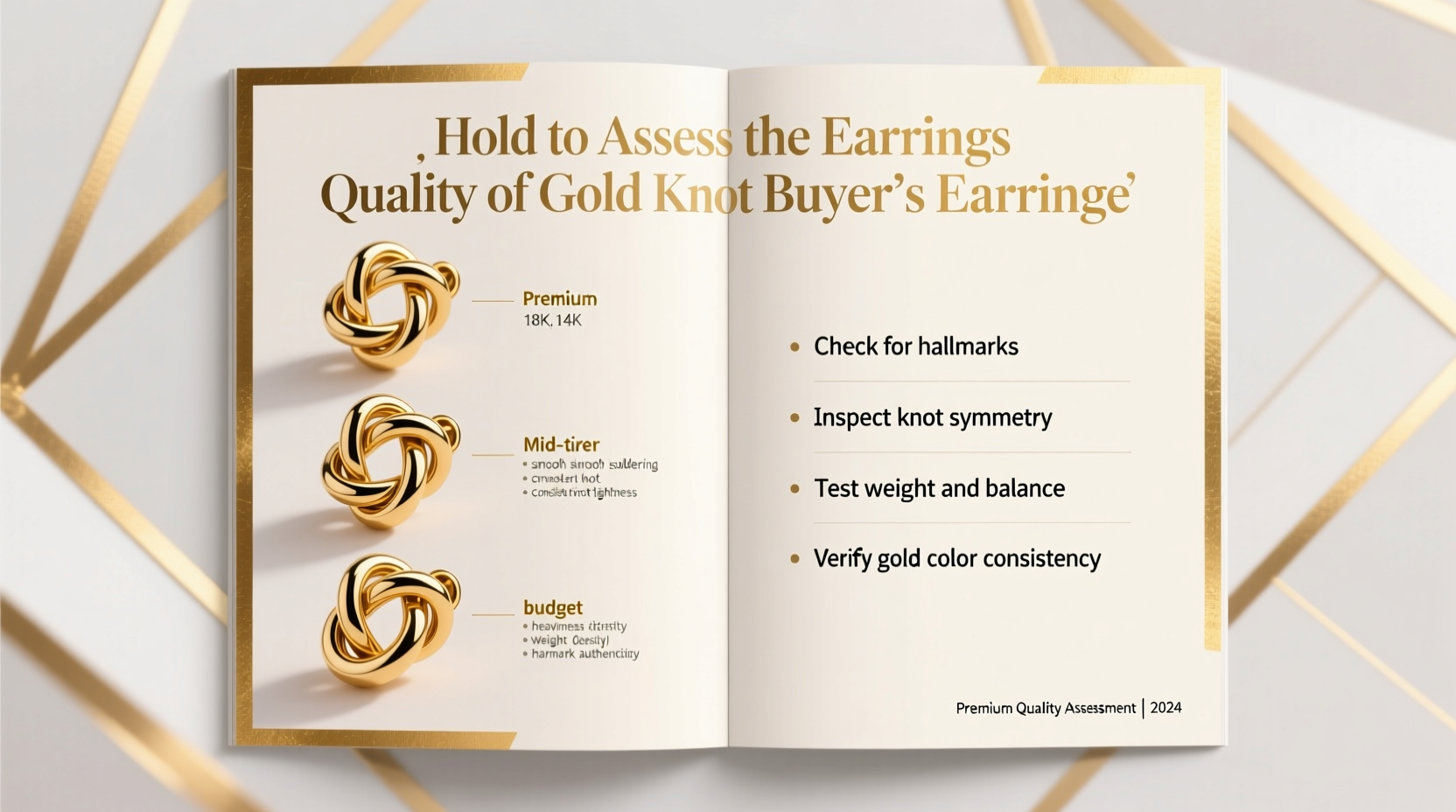
The first step in assessing gold knot earrings is understanding the metal’s purity. Gold is measured in karats (k), with 24k representing pure gold. However, pure gold is too soft for everyday jewelry, so it’s typically alloyed with other metals like copper, silver, or zinc to improve durability. Common standards include 14k and 18k gold.
Higher karat gold contains more pure gold but may be less durable. Lower karat gold is harder and more resistant to wear but has a paler hue. For knot earrings, which rely on fine detailing, 14k offers a balanced blend of richness, strength, and longevity.
Tip: Always check for a hallmark stamp such as “14k,” “585” (for 14k), “18k,” or “750” (for 18k) on the earring post or back. Absence of a stamp should raise suspicion.Evaluate Craftsmanship and Design Precision
The knot motif is deceptively complex. A well-made gold knot earring features smooth, continuous curves without visible seams, gaps, or misaligned twists. Poorly executed knots may look lopsided, uneven, or overly bulky, indicating rushed casting or low-grade tooling.
Examine the surface under natural light. High-quality pieces will have a consistent finish—whether polished, matte, or brushed—with no pitting, scratches, or graininess. The symmetry between both earrings is also critical; even slight mismatches can signal mass production with minimal quality control.
“Fine gold jewelry isn’t just about the material—it’s about the handwork. A perfect knot takes time, patience, and skill.” — Rafael Mendez, Master Goldsmith with 30 years in fine jewelry manufacturing
Craftsmanship Checklist
- Inspect the continuity of the knot—no breaks or solder lines visible
- Check symmetry between left and right earrings
- Feel the weight—quality gold has substantial heft
- Look for even texture and uniform finish across the surface
- Ensure the earring post is securely attached and aligned
Analyze Weight and Density
Gold is a dense metal. A pair of authentic, solid gold knot earrings will feel noticeably heavier than those made from gold-plated brass or base metals. While size affects weight, a lightweight pair—even if large—may indicate hollow construction or inferior materials.
Ask the jeweler for the gram weight. Reputable sellers often list this information. For reference, a pair of medium-sized 14k gold knot earrings (approx. 8mm diameter) should weigh between 2.5 and 4 grams. Significantly less suggests thin walls or plating.
| Material Type | Average Weight (Pair) | Density Feel | Longevity Expectation |
|---|---|---|---|
| Solid 14k Gold | 2.5–4g | Substantial, cool to touch | Decades with care |
| Solid 18k Gold | 3–5g | Heavier, richer luster | Long-lasting, softer metal |
| Gold-Filled | 1.8–2.5g | Moderate, slightly lighter | 5–10 years |
| Gold-Plated Base Metal | 1–1.8g | Light, almost hollow | 1–3 years (plating wears off) |
Verify Authenticity and Hallmarks
Hallmarks are small stamps on the jewelry that certify metal type, purity, and sometimes the manufacturer or country of origin. In the U.S., federal law requires accurate marking on gold items. Look for:
- Purity stamp: “14k”, “18k”, “585”, “750”
- Maker’s mark: Initials or logo of the designer or brand
- Country of origin: e.g., “Italy”, “USA”
- Authenticity seal: Some brands include micro-engravings or laser marks
If purchasing online, request close-up photos of the markings. Be cautious of vague descriptions like “gold tone” or “golden color”—these are not indicators of real gold.
Step-by-Step Guide: How to Verify Gold Knot Earrings Before Buying
- Request detailed product images—especially of the earring back and post.
- Check for hallmarks using magnification; verify they match the seller’s claims.
- Ask for a certificate of authenticity if buying from a luxury brand or high-value retailer.
- Use a professional appraisal for purchases over $500—many local jewelers offer quick assessments.
- Perform a magnet test at home—real gold is non-magnetic. If the earrings are attracted to a magnet, they contain ferrous metals and are not solid gold.
Real-World Example: A Cautionary Purchase
Sophia was shopping for anniversary earrings online and found a pair of “18k gold knot earrings” priced at $120—a steep discount compared to similar styles at department stores. Excited by the deal, she purchased them without requesting additional photos. When they arrived, the earrings looked shiny but felt unusually light. Upon closer inspection with a magnifying glass, she noticed no hallmarks, and the twist pattern had tiny cracks near the weld points. She took them to a local jeweler, who confirmed they were gold-plated brass with a thin coating that would wear off within months.
This case highlights the danger of ignoring verification steps. Had Sophia asked for hallmark images or compared the listed weight, she might have avoided the disappointment. Genuine 18k gold knot earrings rarely sell for under $400 unless very small or vintage.
Frequently Asked Questions
Are gold knot earrings worth the investment?
Yes, if they are made from solid gold and well-crafted. Solid gold retains value over time and can be passed down as heirlooms. Unlike fashion jewelry, high-quality knot earrings resist tarnishing and maintain their appearance with minimal maintenance.
How do I clean and care for gold knot earrings?
Soak them in warm water with mild dish soap for 10–15 minutes, then gently scrub with a soft-bristled toothbrush, especially around crevices in the knot. Rinse and dry with a lint-free cloth. Avoid harsh chemicals or ultrasonic cleaners if the earrings have delicate details or oxidation finishes.
Can I wear gold knot earrings every day?
Absolutely. Their secure, closed-loop designs (when hinged or screw-back) make them ideal for daily wear. Solid 14k gold is durable enough to withstand regular use. Just remove them before swimming, exercising, or applying skincare products to prevent buildup and chlorine damage.
Final Thoughts: Invest in What Lasts
Assessing the quality of gold knot earrings goes beyond aesthetics. It’s about understanding the materials, recognizing skilled craftsmanship, and verifying authenticity. These earrings are more than adornments—they’re small works of art that reflect personal taste and enduring value. Whether you’re buying for yourself or as a gift, take the time to inspect weight, finish, and markings. Choose makers who stand behind their work with certifications and transparent sourcing.
💬 Have you ever bought gold knot earrings? Share your experience or questions in the comments—your insight could help others avoid costly mistakes and find true quality.