For individuals with wide feet, finding the right barefoot shoe can be a game-changer. Many mainstream footwear brands fail to accommodate natural foot splay, leading to discomfort, pressure points, and long-term foot issues. Barefoot shoes—designed to mimic the experience of walking barefoot while offering protection—are increasingly popular among those seeking healthier alternatives. Two brands that frequently come up in discussions are Hobibear and Saguaro. But when it comes to accommodating wide feet, which one truly delivers?
This article dives deep into the design, fit, materials, and user feedback of both Hobibear and Saguaro barefoot shoes to help you make an informed decision based on real-world performance and anatomical needs.
Understanding Wide Feet and Barefoot Shoe Design
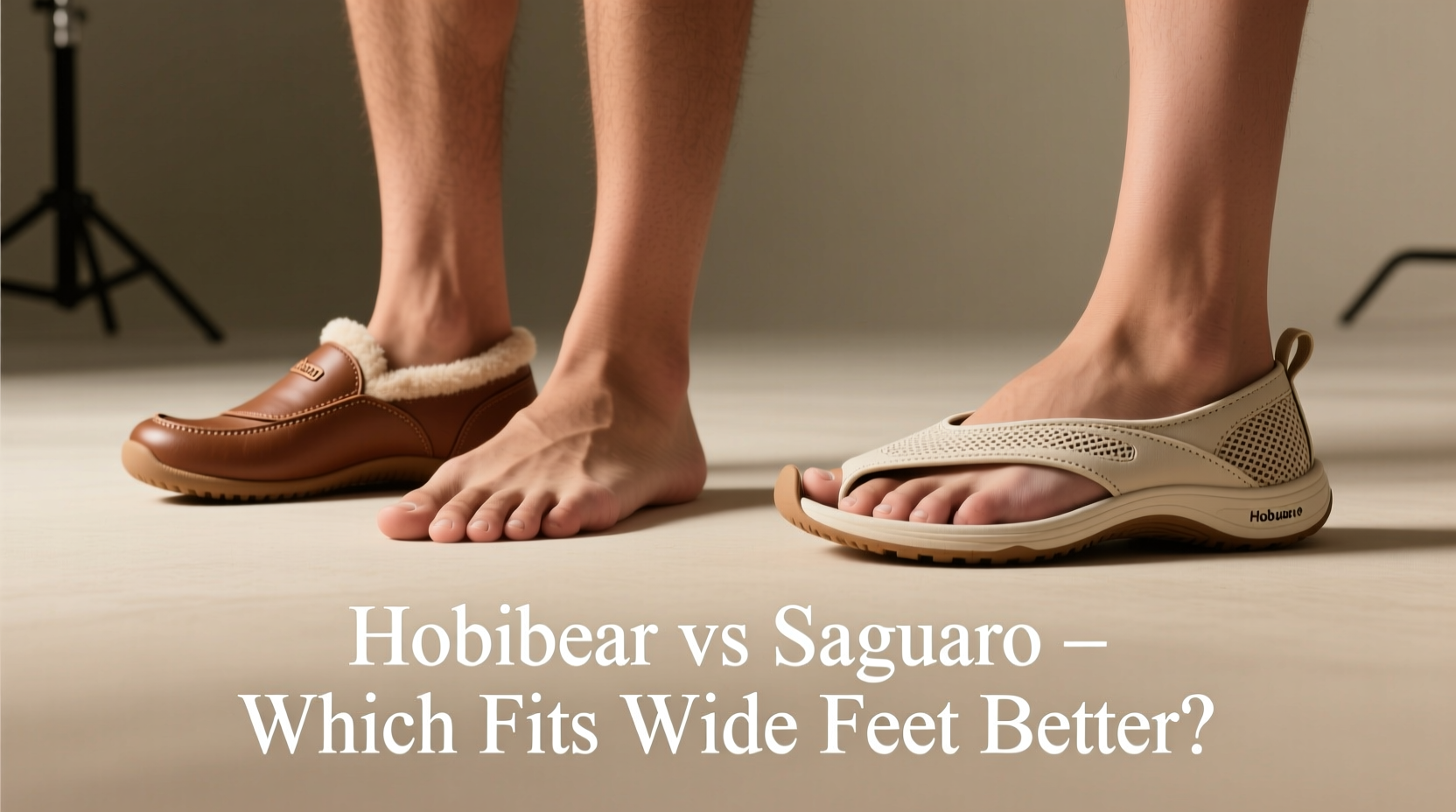
Wide feet aren’t just about width—they involve toe splay, forefoot volume, arch shape, and heel spread. Traditional shoes often compress the toes into narrow toe boxes, forcing them into unnatural positions. Over time, this can lead to bunions, hammertoes, and weakened foot muscles.
Barefoot shoes aim to reverse this by offering zero-drop soles (no heel elevation), flexible materials, and most importantly, a wide toe box that allows toes to spread naturally. However, not all “wide” barefoot shoes are created equal. Some brands claim wide fit but still taper slightly at the front, restricting movement.
“Foot health begins with space. The ability of the toes to splay during each step is critical for balance, propulsion, and shock absorption.” — Dr. Lena Peterson, Podiatrist & Movement Specialist
When evaluating Hobibear and Saguaro, we must assess how well each brand supports true foot freedom—especially across the ball of the foot and toe area.
Design and Fit Comparison: Hobibear vs Saguaro
Both Hobibear and Saguaro market themselves as minimalist, zero-drop footwear with wide toe boxes. But subtle differences in construction significantly impact comfort for wide-footed wearers.
Hobibear: Roomy by Design
Hobibear emphasizes \"foot-shaped\" design, meaning the interior follows the natural anatomy of the human foot. Their models typically feature:
- A pronounced widening in the forefoot area
- Fairly flat profile from heel to toe (true zero drop)
- Stretchable upper materials like knit or soft mesh
- Minimal internal stitching to reduce friction
Users with particularly wide or high-volume feet often report that Hobibear feels immediately accommodating without requiring a break-in period. The brand offers multiple width options in select models, which is rare in the barefoot market.
Tip: If you have very wide feet (E width or wider), try sizing up half a size in Hobibear to maximize toe splay without heel slippage.Saguaro: Functional Minimalism
Saguaro takes a more utilitarian approach. While their shoes are labeled as wide-toe-box, they tend to have a slightly tapered silhouette compared to Hobibear. Key features include:
- Durable rubber outsoles with moderate flexibility
- Reinforced heel counters for stability
- Synthetic or canvas uppers with limited stretch
- Affordable price point
Saguaro’s fit works well for average-width feet leaning toward wide, but some users with very broad forefeet note tightness across the metatarsals after extended wear. The lack of true width variations means fitting relies heavily on length-based sizing.
Material Quality and Breathability
Comfort isn’t only about shape—it also depends on how the shoe interacts with your foot throughout the day. Materials affect breathability, odor control, and adaptability to foot swelling.
| Feature | Hobibear | Saguaro |
|---|---|---|
| Upper Material | Knit, soft mesh, breathable fabrics | Cotton canvas, synthetic blends |
| Flexibility | High – conforms to foot shape | Moderate – stiffer due to canvas |
| Breathability | Excellent – ideal for warm climates | Good – may retain heat in summer |
| Odor Resistance | Treated with antimicrobial lining | Limited; requires frequent airing |
| Water Resistance | Low – best for dry conditions | Moderate – canvas repels light moisture |
Hobibear’s use of technical knits gives it an edge in dynamic comfort, especially during activities like walking or light trail use. Saguaro’s canvas provides durability but lacks the give needed for feet that expand over time.
Real User Experience: A Mini Case Study
Consider Mark, a 42-year-old teacher with naturally wide feet and early signs of bunions. He tried both brands over a six-week period, alternating daily wear.
With Saguaro, he found initial comfort but began noticing pressure on the outer edge of his left foot after four days. By week three, he experienced mild numbness in his pinky toe during prolonged standing—likely due to restricted lateral expansion.
Switching to Hobibear, Mark reported immediate relief. The sock-like fit allowed his feet to swell slightly during the school day without constriction. After two weeks, he noticed improved balance and reduced arch fatigue. His bunions remained stable, and he no longer felt the need to remove his shoes during lunch breaks.
While individual results vary, Mark’s experience reflects broader trends in online reviews: Hobibear tends to receive higher satisfaction scores among those with E+ widths.
Step-by-Step Guide to Choosing the Right Shoe for Wide Feet
Selecting between Hobibear and Saguaro—or any barefoot shoe—requires more than just reading specs. Follow this practical timeline to ensure a good fit:
- Measure your foot width at home using a Brannock device or tracing method. Note whether you’re D, E, or EE width.
- Check the internal dimensions of each model. Look for published specs on toe box width (many brands list these in mm).
- Read verified reviews specifically mentioning “wide feet” or “high volume.” Filter out general praise.
- Try one pair first—don’t buy multiple pairs upfront. Start with the brand more aligned with your foot type.
- Test them progressively: wear for 1–2 hours daily, increasing duration over 7–10 days.
- Assess key indicators: numbness, hot spots, heel lift, or toe crowding. Any persistent discomfort means it’s not the right fit.
- Return if needed and try the alternative brand. Most companies offer 30-day return windows.
Checklist: What to Look for in a Barefoot Shoe for Wide Feet
- ✅ True zero-drop sole (0mm heel-to-toe differential)
- ✅ Flat insole profile (no arch bump or raised center)
- ✅ Foot-shaped toe box (wider at ends than middle)
- ✅ Stretchable or soft upper material
- ✅ No seam pressure across the big toe joint
- ✅ Available in multiple widths (if possible)
- ✅ Lightweight and flexible underfoot
Which Is Better for Wide Feet? Final Verdict
After analyzing fit data, user experiences, and biomechanical principles, Hobibear emerges as the superior choice for individuals with genuinely wide or high-volume feet. Its anatomically shaped design, adaptive materials, and attention to lateral space make it more conducive to long-term foot health.
Saguaro remains a solid budget-friendly option for those with moderately wide feet who prioritize affordability and durability over maximum toe splay. It performs well for casual use, short walks, and urban environments—but may fall short for all-day wear or athletic activity if your feet demand extra room.
If your goal is foot rehabilitation, strengthening intrinsic muscles, or preventing further deformities like bunions, investing in a better-fitting shoe like Hobibear pays off in comfort and function.
FAQ
Can I wear orthotics with either Hobibear or Saguaro?
Most models from both brands have removable insoles, allowing space for custom orthotics. However, doing so reduces ground feel—the core benefit of barefoot shoes. For wide feet, consider going sockless and relying on natural alignment instead.
Do these shoes run true to size?
Hobibear generally runs true to size but offers a half-size-up recommendation for very wide feet. Saguaro tends to run slightly short; many users size up full size for adequate toe clearance. Always consult the brand’s size chart with your measured foot length.
Are Hobibear and Saguaro machine washable?
Hobibear’s knit models can be gently machine washed in a mesh bag on cold cycle. Saguaro’s canvas shoes should be hand-washed to prevent warping. Air dry both completely before reuse.
Conclusion
Choosing between Hobibear and Saguaro for wide feet ultimately comes down to how much space and adaptability your feet require. While both brands contribute positively to the barefoot movement, Hobibear stands out with its commitment to anatomical accuracy and comfort for broader foot types. Saguaro serves well as an entry point, but may not provide the lasting support needed for significant width or foot sensitivities.
💬 Have experience with either brand? Share your story in the comments below. Your insights could help others find their perfect fit.